
The Core Principles Behind Year-Round Dressing
Dressing well across all four seasons doesn't require four separate wardrobes - it requires understanding a few transferable principles. The most important ones are layering logic, fabric awareness, and outfit flexibility. When you nail these, your closet works harder and your daily getting-dressed decisions get a lot easier.
Layering isn't only a cold-weather strategy. As explained in our guide to the layering system, the base-mid-outer framework applies across all climates and seasons - it just looks different in July than it does in January. Think a lightweight tee under an open linen shirt in summer versus a thermal base under a wool mid-layer in winter.
Outfit flexibility means choosing pieces that serve more than one purpose. A well-cut pair of dark trousers can carry you from a casual weekend outing to a semi-formal dinner. For a deeper look at building that kind of versatility, see our wardrobe transitions guide.
Invest in a lightweight merino wool base layer - it regulates temperature in both cool and mildly warm conditions, making it useful from early spring through late fall.
Merino wool is naturally moisture-wicking, odor-resistant, and comfortable against skin, which makes it one of the most genuinely versatile fabric investments you can make.
When building transitional outfits, choose your outer layer last - it should complement what's underneath rather than hide it, so each piece reads as a deliberate choice.
Intentional layering creates outfits that look styled rather than bundled up, which is the difference between dressing for warmth and dressing well.
Spring: Light Layers and Smart Transitions
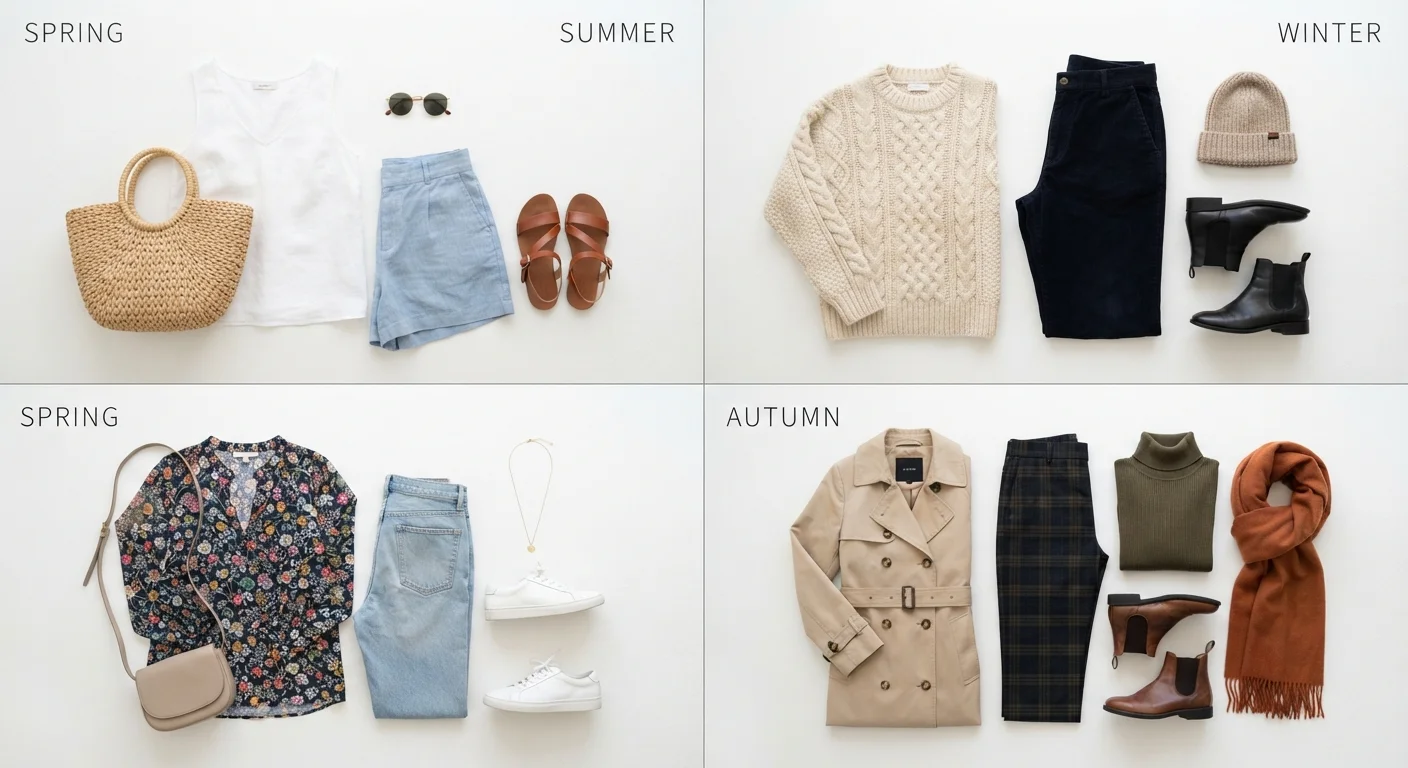
Spring is the trickiest season to dress for because the weather rarely cooperates. A warm morning can turn into a chilly afternoon, and rain shows up without warning. The solution is light layering: pieces thin enough to carry in a bag but substantial enough to matter when temperatures dip.
Key spring pieces include unlined trench coats, cotton cardigans, long-sleeve tees, and lightweight chinos or straight-leg jeans. Stick to a palette of soft neutrals, pale blues, and earthy greens - colors that feel seasonally appropriate without screaming "spring collection." Opt for breathable fabrics like cotton poplin and chambray that won't trap heat once the sun comes out.
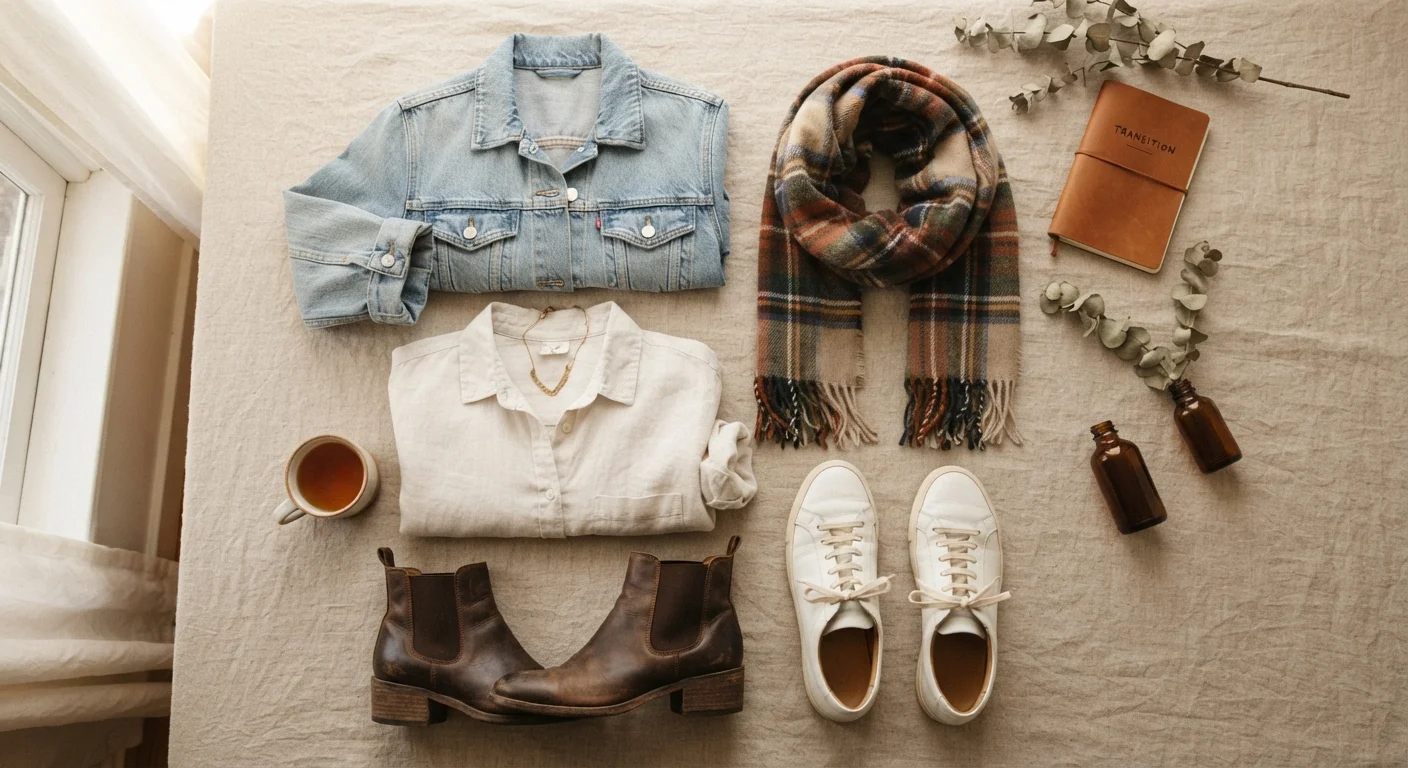
For those navigating the shift from summer to fall, many of the same principles apply in reverse - transitional dressing is a skill that pays off twice a year.
Spring Layering Shortcut
Keep a lightweight cotton cardigan or a packable jacket near your door during spring months. It takes seconds to grab on the way out and saves you from being caught underdressed when afternoon temperatures drop unexpectedly. Choose a neutral color so it works over virtually anything you're already wearing.
Summer: Staying Cool Without Sacrificing Style
Summer dressing is often oversimplified as "wear less." The smarter approach is wearing the right things. Loose, breathable silhouettes in natural fibers do more for your comfort than simply going sleeveless. Linen, lightweight cotton, and moisture-wicking blends are your allies.
Build summer outfits around a few foundational pieces: a well-fitting linen shirt (works tucked, untucked, or open over a tee), a pair of relaxed chinos or wide-leg trousers, and versatile sandals or clean canvas sneakers. These items mix and match without effort and look intentional rather than thrown together.
70°F+
Temperature where linen outperforms most fabrics
Textile and apparel research consistently identifies linen as one of the most breathable natural fibers, performing especially well in high heat and humidity.
3-5 pieces
Core anchor pieces per season
Style educators generally recommend building seasonal wardrobes around a small number of versatile anchor items rather than accumulating trend-driven pieces.
Don't neglect accessories - a lightweight hat provides sun protection and instantly elevates a basic outfit. A canvas tote doubles as a practical bag and a style statement. For daily outfit inspiration built around these principles, explore our everyday outfit ideas hub.
Fall: The Season That Rewards Layering
Fall is widely considered the most stylish season, and for good reason: the drop in temperature creates the perfect excuse to add texture, depth, and dimension to outfits. Layering is the whole game here.
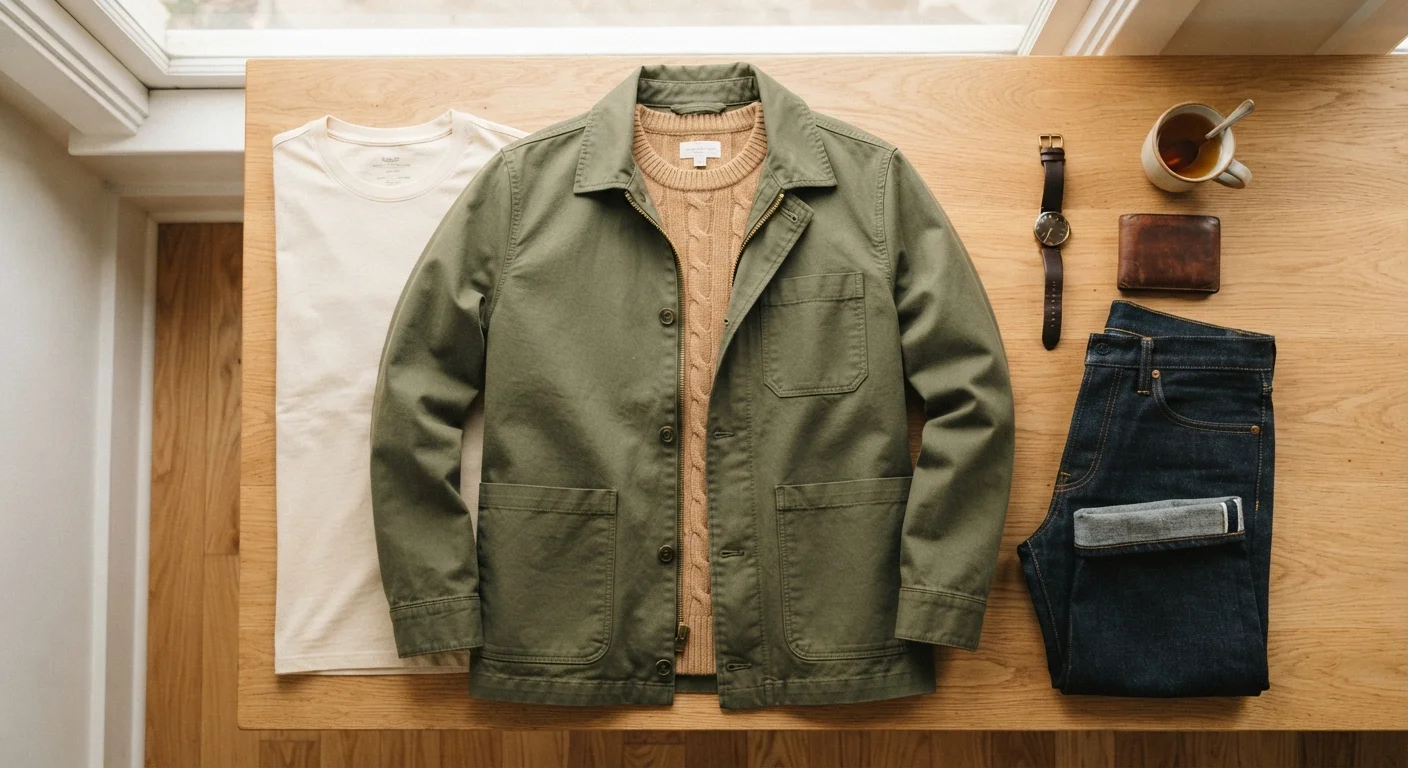
Start with a fitted base - a long-sleeve tee or a lightweight turtleneck. Add a mid-layer with visual interest: a flannel shirt, a chunky knit sweater, or a structured vest. Finish with an outer layer that can handle shifting conditions - a field jacket, a wool-blend coat, or a classic denim jacket for milder days. The key is that each layer should look intentional on its own in case you need to remove one.
Color-wise, fall invites warmer tones: rust, camel, forest green, burgundy, and warm grey. These pair well with dark denim, corduroy trousers, and leather or suede footwear. For a focused look at which pieces pull the most weight in your fall rotation, check out seasonal outfit anchors.
Don't Over-Invest in Trendy Fall Pieces
Fall is a season where trend-driven clothing gets heavily marketed - bold prints, unusual silhouettes, and statement outerwear. While it's fine to experiment, anchor your fall wardrobe in classic, wearable pieces first. Trend items have a short shelf life and can quickly make your closet feel dated and overcrowded.
Winter: Warmth, Texture, and Looking Intentional
Winter dressing has one non-negotiable: you need to stay warm. But warmth and style aren't in conflict - the mistake most people make is defaulting to bulk when what they actually need is smart layering with quality insulation.
A good wool or cashmere sweater over a thermal base provides genuine warmth without adding visual bulk. Over that, a structured wool coat or a puffer with a tailored cut keeps the overall silhouette clean. Slim or straight-leg trousers in heavier fabrics - wool blends, thick cotton twills - work better than bulky cargo pants for maintaining proportion.
Accessories carry serious weight in winter: a merino wool scarf, leather gloves, and a knit beanie are practical and stylish additions. If you've absorbed some cold-weather misconceptions along the way, it's worth reading common winter wardrobe myths to reset your approach. And for a curated list of pieces that genuinely earn their closet space, capsule wardrobe essentials is a solid next read.
Fabric Choices That Work Across All Seasons
Fabric is the foundation of functional, stylish dressing - and it's the detail most shoppers overlook. Here's a quick breakdown of how common fabrics perform across seasons:
- Cotton: Breathable and versatile. Lightweight cotton works in spring and summer; heavier twill or canvas suits fall and mild winter days.
- Linen: Best in warm weather. Naturally moisture-wicking and temperature-regulating, though it wrinkles easily.
- Wool: A true year-round fabric in its various weights. Lightweight merino is comfortable in fall; heavier wool suiting handles winter well.
- Denim: Mid-weight denim adapts across three seasons. Too warm for peak summer, but invaluable from early spring through late fall.
- Synthetics and blends: Moisture-wicking synthetics shine in summer and athletic contexts; fleece-lined blends add warmth in winter without excessive weight.
Understanding your fabrics means you can shop and dress more intentionally year-round, regardless of what's trending. For foundational guidance on building a wardrobe that works across all of these contexts, our wardrobe basics hub is a great place to continue.
Care Labels Matter as Much as Fabric
Even the right fabric won't perform well if it's cared for incorrectly. Always check care labels before purchasing - a dry-clean-only wool coat or a hand-wash-only linen shirt may not fit your lifestyle, regardless of how good it looks. Ease of care is a practical factor worth weighing alongside fabric type and construction.