
What Each Approach Actually Means
Comfort dressing and put-together dressing are often treated as opposing forces - like you have to choose one or the other every morning. In reality, the gap between them is much smaller than it seems.
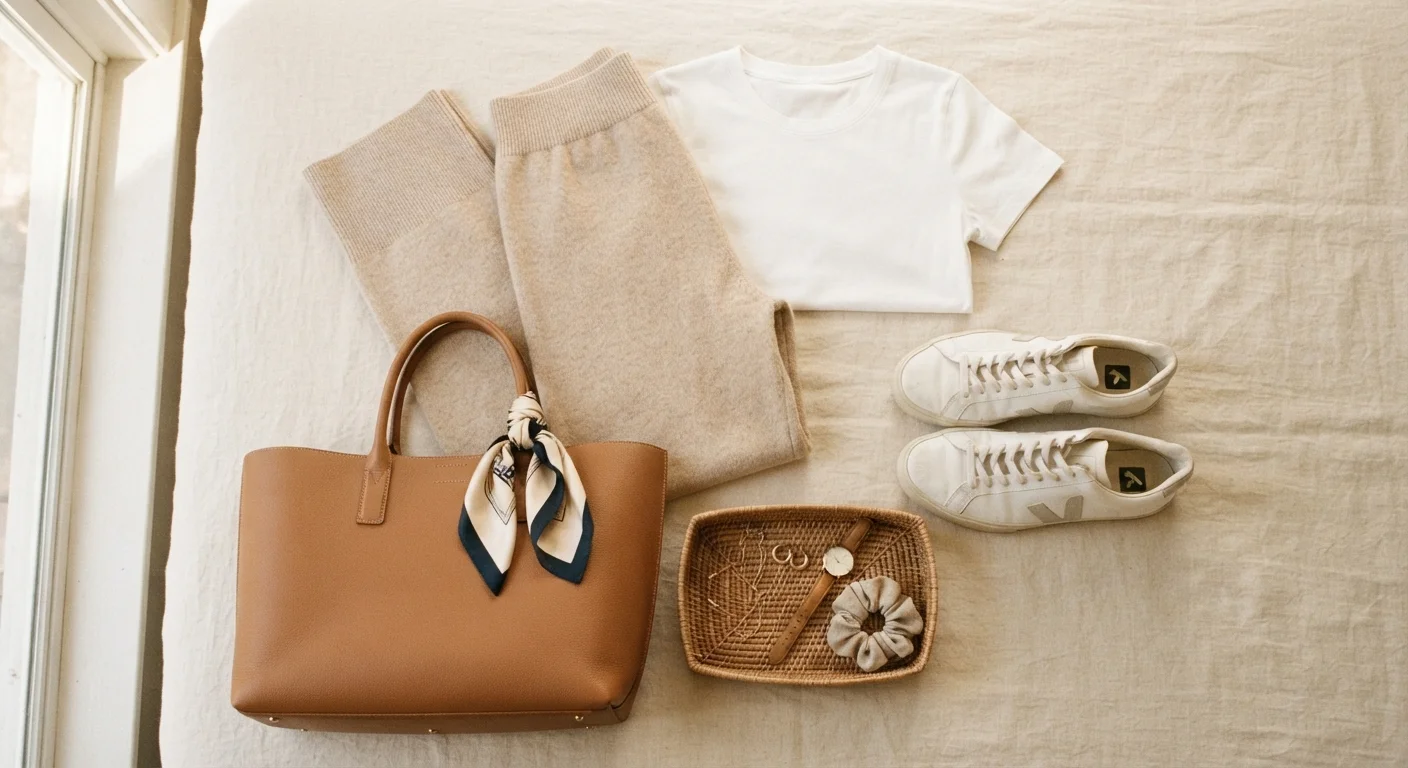
Comfort dressing centers on physical ease: breathable materials, forgiving fits, minimal fuss. Think soft joggers, oversized tees, slip-on shoes. There's nothing wrong with this - it's practical, real-life dressing. The challenge is that purely comfort-led outfits can sometimes look unintentional, even when you're perfectly happy in them.
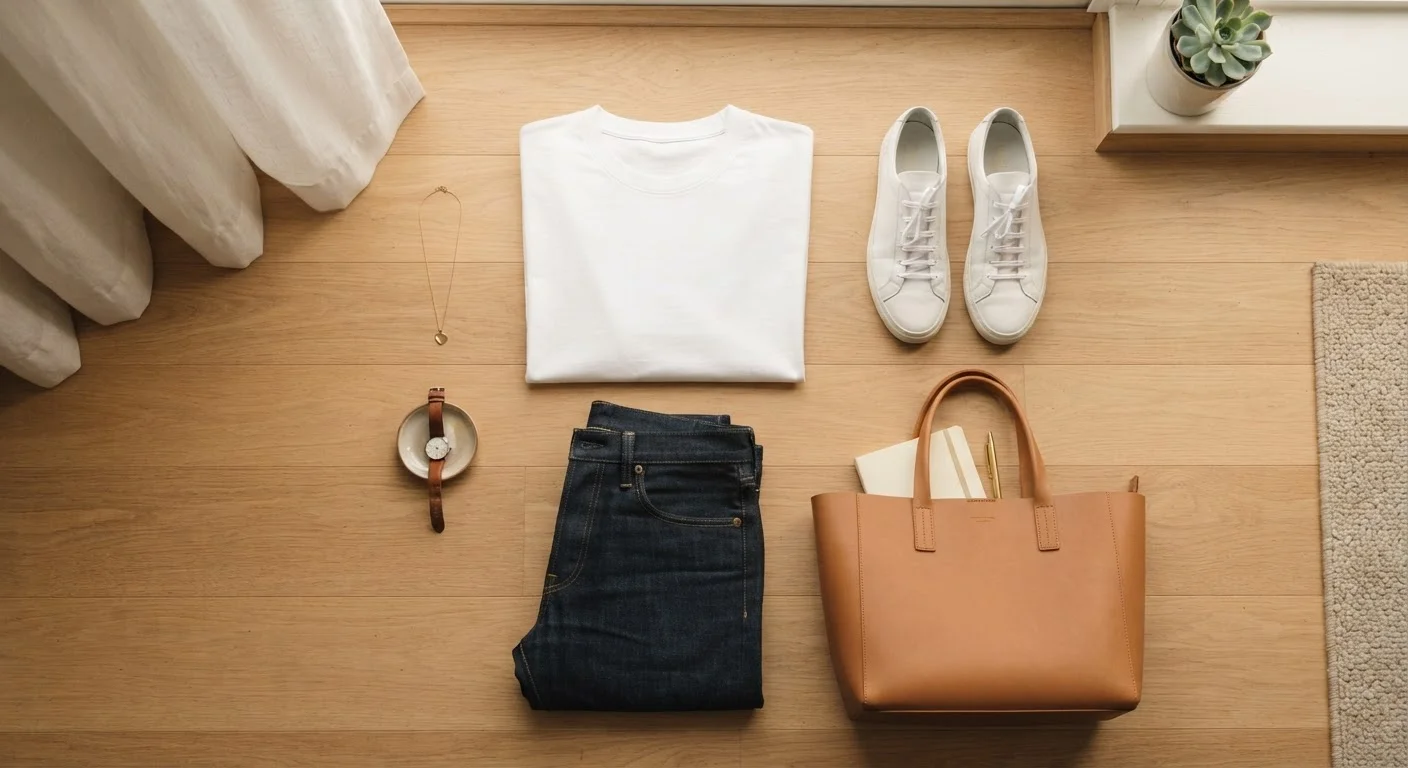
Put-together dressing isn't about formal clothes or stiff fabrics. It's about looking like you made a deliberate choice. A well-fitted dark jean, a clean crewneck, and simple leather sneakers reads as polished - and none of those pieces are uncomfortable. The key word is intentional. As explored in our guide to casual dressing with structure, there's real strategy behind relaxed looks that still hold together visually.
| Criterion | Comfort Dressing | Put-Together Dressing |
|---|---|---|
| Primary focus | Physical ease and low effort | Intentional, polished appearance |
| Typical fit | Relaxed, oversized, or elastic | Tailored, structured, or well-fitted |
| Fabric preference | Soft jersey, fleece, loose cotton | Structured knits, woven fabrics, ponte |
| Footwear | Slip-ons, worn-in sneakers, slides | Clean sneakers, loafers, or simple flats |
| Morning effort required | Minimal - grab and go | Low to moderate - requires some intention |
| Works for professional settings | Rarely, without upgrades | Yes, in most casual-to-smart-casual environments |
| Achievable overlap | Yes, with fabric and fit upgrades | Yes, with comfort-forward fabric choices |
Where Fit and Fabric Change Everything
The single biggest lever between looking comfortable-but-sloppy and comfortable-and-polished? Fit. A soft cotton button-down in a clean, tailored cut reads completely differently than an oversized tee - even if both feel equally relaxed on your body.
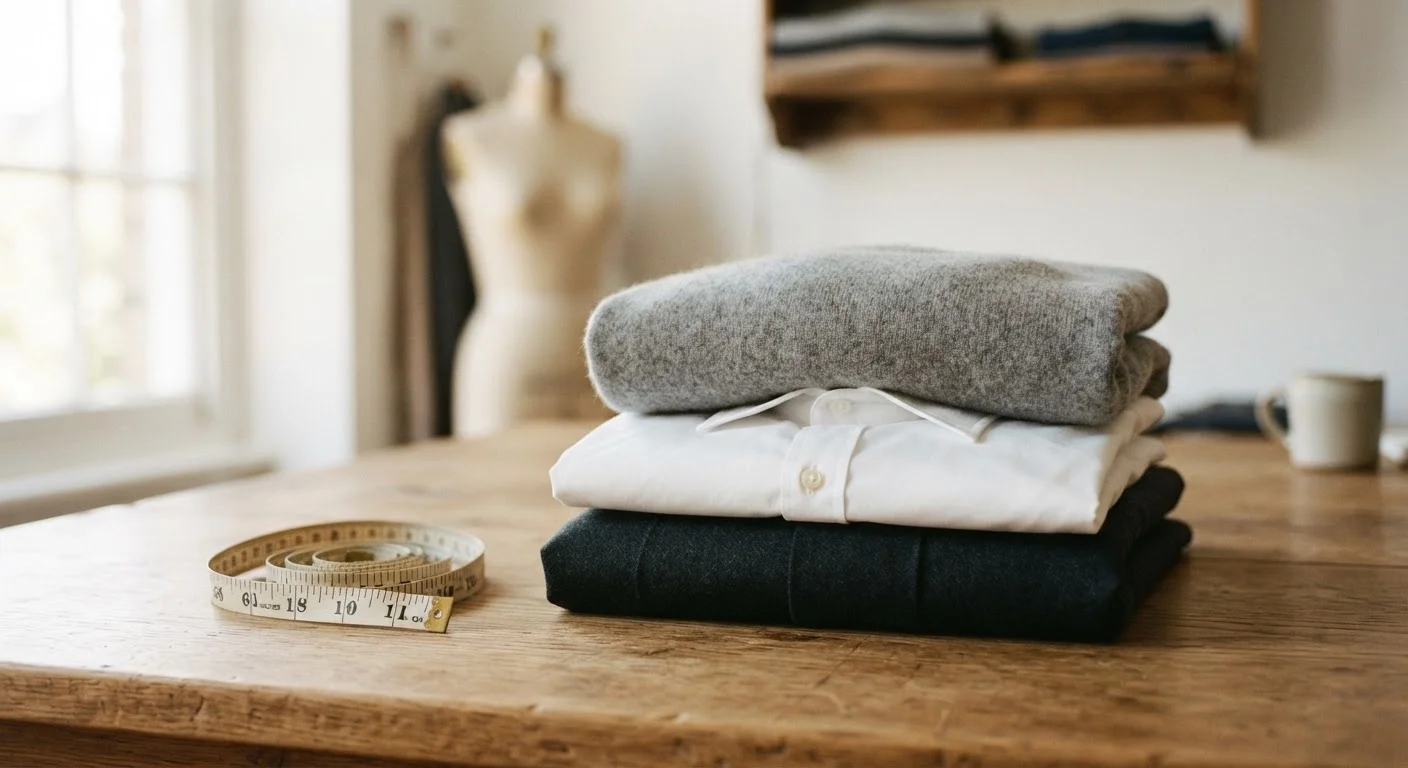
Fabric is the other half of that equation. Structured knits, ponte fabric, and woven cotton hold their shape through a full day of wear. Thinner jersey and worn-out fabrics, by contrast, tend to look casual even when styled carefully. If you're building pieces that do double duty, understanding how fit and fabric interact is a genuinely useful starting point.
#1 factor
Fit cited as top appearance driver
Consumer style surveys consistently rank fit above color, brand, or price when people describe what makes an outfit look good.
30 seconds
Time to elevate a casual outfit
Style educators often note that small adjustments - a tuck, a swap of shoes, one clean layer - take under a minute but significantly shift how an outfit reads.
Small finishing details seal the deal: a half-tuck instead of a full untuck, swapping beat-up sneakers for a clean pair, choosing a structured bag over a stuffed tote. None of these require effort or expense - they just require a moment of attention.
Building a Wardrobe That Bridges Both
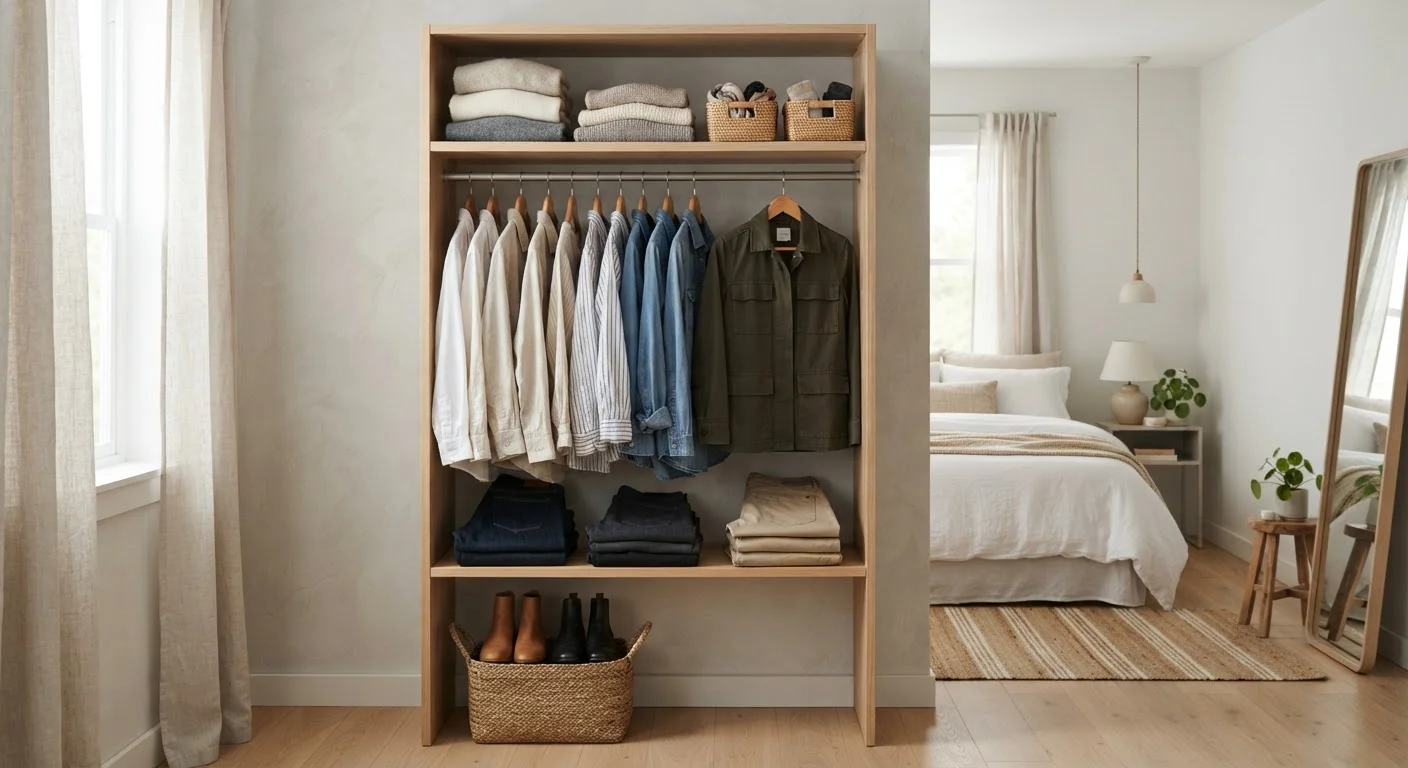
The most practical solution isn't choosing comfort or polish - it's building a closet where the two overlap. A few reliable categories make this achievable for most budgets and lifestyles:
- Tailored or slim-cut trousers in soft fabrics (ponte, stretch twill) - move like casual pants, look like real ones
- Fitted crewneck or V-neck knits - versatile enough for errands or a casual office setting
- Clean, minimal sneakers or loafers - elevate any outfit without discomfort
- A structured layer (blazer, cardigan, or denim jacket) - the fastest way to add polish to any base outfit
From there, a handful of these pieces can rotate through a full week with minimal effort. For a more detailed approach to building this kind of low-effort rotation, building a wardrobe that works every day of the week walks through the process clearly. And if your days frequently shift between professional and personal settings, outfits that move from office to errands offers practical outfit frameworks for exactly that.
Seasonal Transitions Change the Equation
What counts as comfortable and put-together shifts with the weather. Layering lightweight pieces in transitional months - a knit over a tee, a light jacket over a dress - lets you stay comfortable as temperatures fluctuate while keeping your look intentional. For practical guidance on navigating those in-between weeks, transitional dressing between summer and fall is a helpful resource.