
The Winter Dressing Mistakes Most People Don't Know They're Making
Every season brings its own wardrobe logic - but winter tends to attract the most stubborn myths. Maybe it's because staying warm feels like a survival skill, so people default to whatever rules they've always heard. The result? Outfits that feel frumpy, restrict movement, or simply don't keep you as warm as they should.
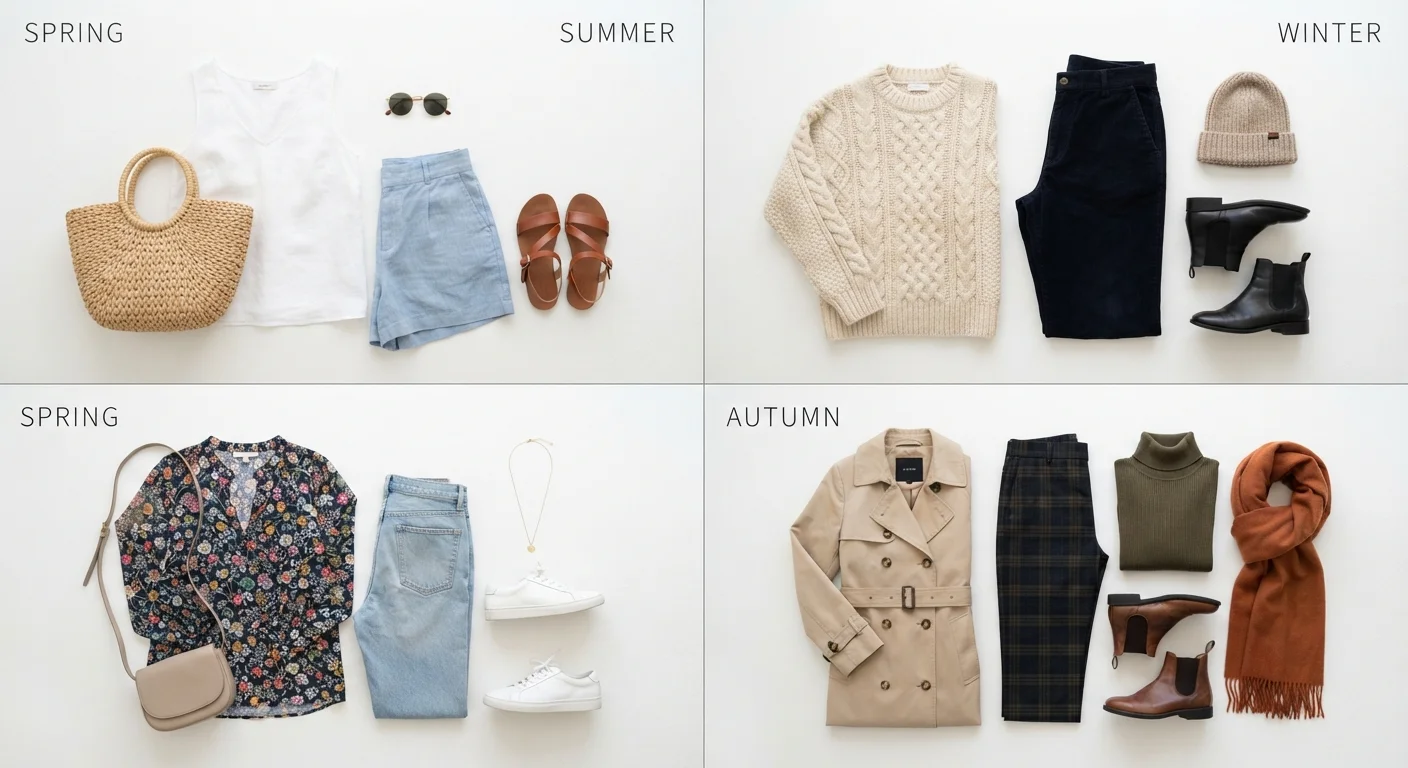
The good news: dressing well in cold weather is absolutely achievable once you stop following the wrong playbook. Whether you're looking to refresh your cold-weather strategy or just understand why your winter outfits feel a little off, these myth-busting truths are a great place to start. For a wider view, this year-round style primer lays out the core principles behind dressing well in every season.
Myth
The bulkier your outfit, the warmer you'll be. More layers and thicker fabric always win.
Fact
Warmth comes from trapped air and fabric performance, not sheer thickness. A fitted layering system beats a shapeless pile every time.
Bulk can actually work against you. Oversized, loosely worn layers allow warm air to escape rather than retain it near your body. The most effective cold-weather approach uses a snug base layer that wicks moisture, a fitted insulating mid-layer, and a protective outer layer - each piece doing a specific job. This is the same system used in technical outdoor gear, and it works just as well in everyday winter outfits. The layering system explained breaks down exactly how each layer contributes to warmth and comfort.
Myth
Winter means dark colors only - navy, black, charcoal, and grey are the safe choices.
Fact
Cold-weather dressing has no color rules. Bold hues, warm tones, and prints all work beautifully in winter fabrics and contexts.
The idea that winter demands a near-monochrome wardrobe is a convention, not a rule. Rich burgundy, forest green, mustard, cobalt, and even pastels can look stunning against a winter backdrop. In fact, a pop of color in an otherwise neutral outfit is often what elevates a look from boring to purposeful. Stick to winter-weight fabrics in whatever color speaks to you - the fabric does the seasonal work, not the hue.
Myth
Cotton is fine as a base layer - it's soft, comfortable, and widely available.
Fact
Cotton retains moisture against your skin, which accelerates heat loss and can leave you feeling colder, not warmer.
This is one of the most consequential winter dressing mistakes. Cotton absorbs sweat and holds it close to your body, causing a chilling effect as temperatures drop. In cold or active conditions, this can make you significantly less comfortable. Merino wool and synthetic fabrics like polyester or nylon wick moisture away from your skin and dry quickly, maintaining warmth even when damp. For everyday winter use, a merino wool base layer is a particularly strong choice - it's soft, odor-resistant, and naturally temperature-regulating.
Myth
You need a completely separate cold-weather wardrobe - summer and fall clothes are useless in winter.
Fact
Many transitional and year-round pieces layer directly into strong winter outfits without requiring a full wardrobe overhaul.
A linen shirt probably won't survive a blizzard, but plenty of your existing wardrobe can pull real weight in winter. Lightweight denim, ponte trousers, silk blouses under heavier layers, and even summer blazers worn under a coat all translate well. The key is understanding which pieces can serve as base or mid-layers rather than standalone outfits. Capsule wardrobe essentials highlights the versatile pieces that genuinely earn their closet space across all four seasons.
Myth
Wearing as many layers as possible is always the safest strategy in cold weather.
Fact
Too many layers can cause overheating, restrict movement, and paradoxically leave you less comfortable throughout the day.
More isn't always more. When you wear too many layers - especially in heated indoor environments - you can overheat, sweat, and then feel genuinely cold when that moisture sits against your skin. A thoughtful three-layer system is almost always sufficient for most winter days. The ability to remove or add a single piece (like swapping an outer layer for an indoor setting) gives you far more control than just stacking everything you own. Building a wardrobe that works every day offers a practical framework for putting together outfits that flex across different environments - indoors and out.
What Actually Works for Winter Dressing
Once you let go of the myths, a clear and practical approach to cold-weather dressing takes shape. The real secret is understanding the layering system: a moisture-wicking base layer close to your skin, an insulating mid-layer that traps warmth, and an outer layer that blocks wind and precipitation. Done right, this approach works across a range of temperatures and keeps you looking intentional rather than bundled up in desperation.
~70%
Body heat lost through poor base layer choice
Textile and outdoor gear research consistently shows that moisture-retaining fabrics like cotton can significantly accelerate heat loss compared to wool or synthetics in cold, damp conditions.
3
Layers in an effective cold-weather system
The base-mid-outer layer framework, widely used in outdoor performance wear, is generally recognized as the most efficient structure for regulating body temperature across varying winter conditions.
Fit matters more than thickness. Garments that fit your body correctly allow layers to interact the way they're supposed to - air gets trapped and warmed, moisture moves away from your skin, and you stay comfortable for longer. This is why a slim-fitting merino wool base under a well-cut coat can outperform a giant puffer worn over a cotton tee.
Color, pattern, and personal style still apply in winter. You don't have to sacrifice self-expression just because temperatures dropped. Rich jewel tones, warm neutrals, and even bold prints all work beautifully in cold-weather contexts. If your winter wardrobe feels repetitive, it might not be a quantity problem - it could simply be a strategy problem. And for hands-on guidance on making existing pieces work harder, layering basics can help you get more mileage from what you already own.
Don't Overlook Fabric Care in Winter
High-performance winter fabrics like merino wool and technical synthetics often have specific washing instructions. Ignoring care labels can cause shrinkage, pilling, or reduced performance. Always check before washing, and consider hand-washing or a delicate cycle for base layers to extend their lifespan.