
The Lab Doesn't Look Like Your Living Room
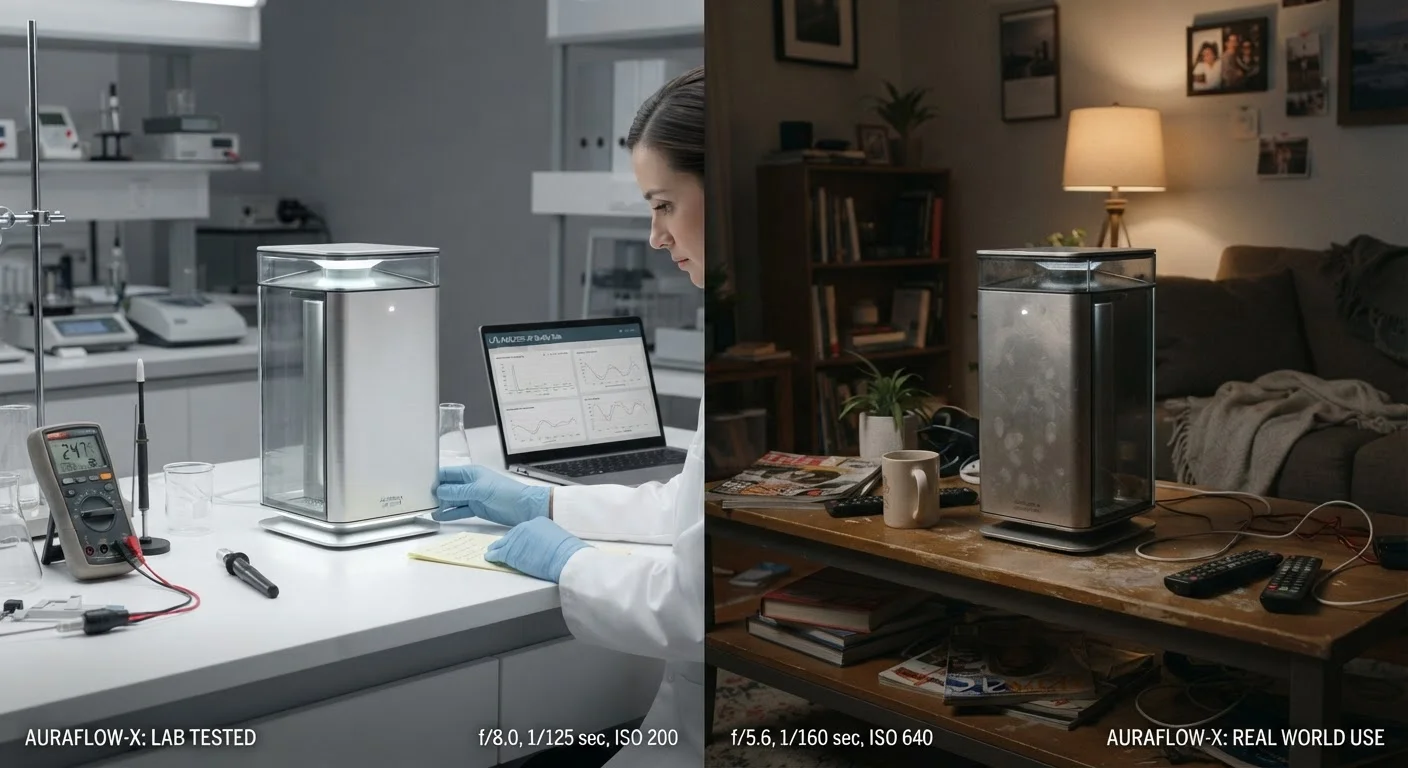
When a router claims to cover 2,500 square feet, or a cordless vacuum promises 60 minutes of run time, those numbers came from somewhere specific: a controlled test environment designed to measure peak capability. In a lab, walls are absent or standardized, temperatures are stable, and the device runs under optimized settings with minimal load.
Your home, by contrast, has concrete walls, competing wireless signals, thick rugs, and a battery that's already partially depleted from last week's cleaning session. The product hasn't changed - the context has. That's the core reason the spec-to-reality gap exists.
This isn't a deliberate attempt to mislead shoppers. In many industries, manufacturers follow standardized testing protocols so products can be compared on equal terms. The problem is that those protocols optimize for consistency and comparability, not for predicting your specific experience.
Standardized Testing Isn't the Same as Real-World Testing
Industry-standard test protocols exist to make products comparable to each other - not to simulate your specific environment. A rating that complies with a published standard can still diverge significantly from what you experience at home. The standard ensures consistency in how tests are run, not relevance to everyday conditions.
Which Specs Diverge the Most - and Why
Not all specs drift equally from reality. Some are highly reliable; others are almost always aspirational. Here's where the biggest gaps tend to appear:
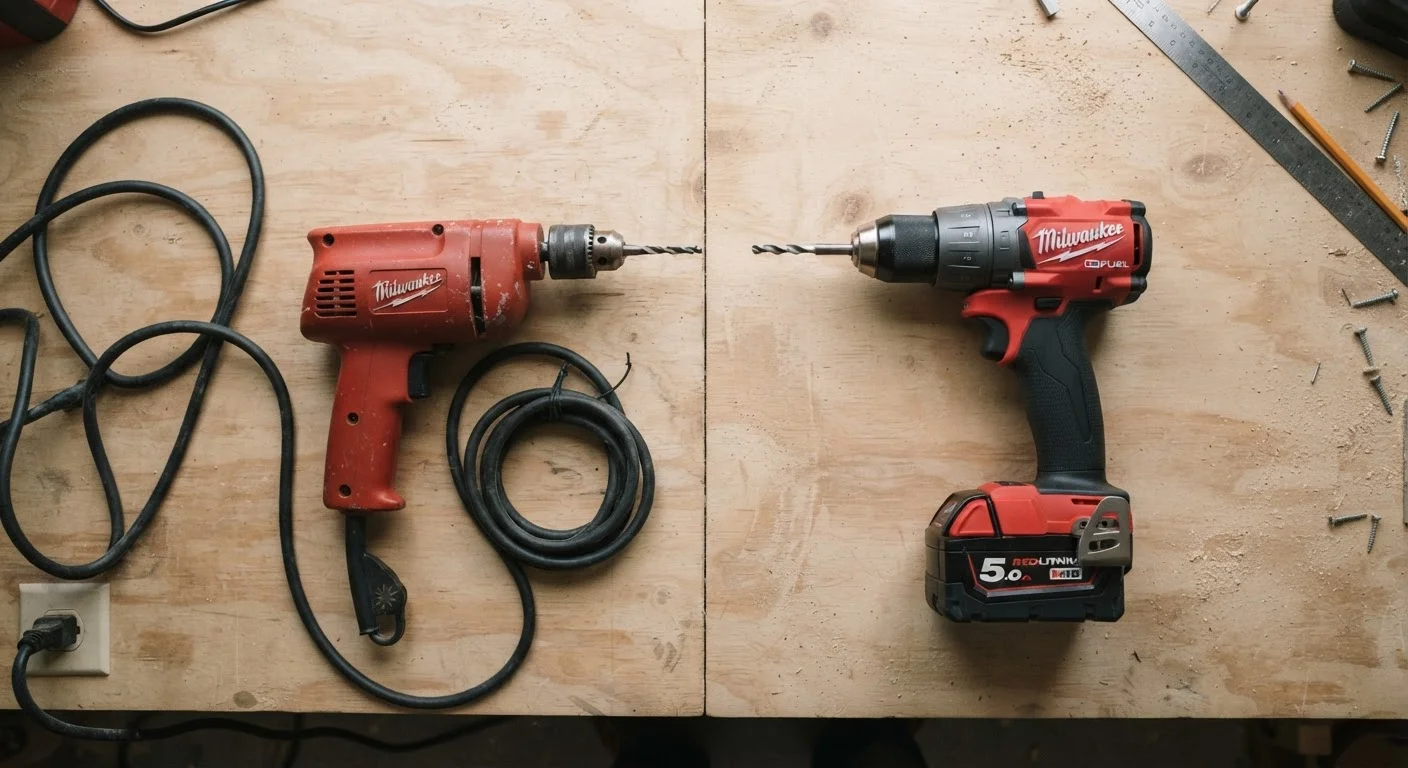
- Battery life: Tested at low brightness, minimal background activity, and often doing a single simple task on loop. Real use - streaming, multitasking, higher brightness - cuts runtime significantly. For cordless power tools and vacuums, see our breakdown of what battery specs actually mean in practice.
- Wireless coverage area: Measured in open space with no obstructions. Walls, floors, appliances, and neighboring networks all reduce effective range.
- Appliance capacity: Washer load sizes and vacuum dustbin claims often assume ideal packing or a single material type, not a real mixed load.
- Speaker or amplifier wattage: Peak wattage figures reflect momentary bursts, not sustained output during normal listening.
Objective specs - screen resolution, port count, physical dimensions - are far more reliable because they don't depend on variable conditions.
20-40%
Typical real-world shortfall from stated battery specs
Consumer electronics reviewers and independent testers commonly report this range of deviation between advertised and observed battery runtime across laptops, phones, and cordless tools.
~50%
Wireless range loss through standard interior walls
Signal attenuation through common building materials - drywall, wood framing, and insulation - can reduce effective wireless range by roughly half compared to open-air testing conditions.
How to Close the Gap Before You Buy
The spec sheet is a starting point, not a verdict. A few practical habits help translate manufacturer claims into realistic expectations:
- Seek independent test data. Publications and organizations that run their own controlled tests under varied real-world conditions give you a second data point that isn't coming from the manufacturer's own lab.
- Read verified buyer reviews with similar use cases. Someone using a router in a two-story house with thick plaster walls will tell you more than a lab rating ever could. Focus on reviewers whose situation mirrors yours.
- Apply a discount factor. For battery life and coverage specs, assuming you'll get 60-75% of the stated figure in normal use is a reasonable starting estimate. Adjust based on what reviewers report.
- Understand the testing standard cited. When a spec references a named standard (like ASHRAE for air purifiers or MIL-STD for rugged devices), look up what that standard actually tests - it often reveals what conditions were assumed.
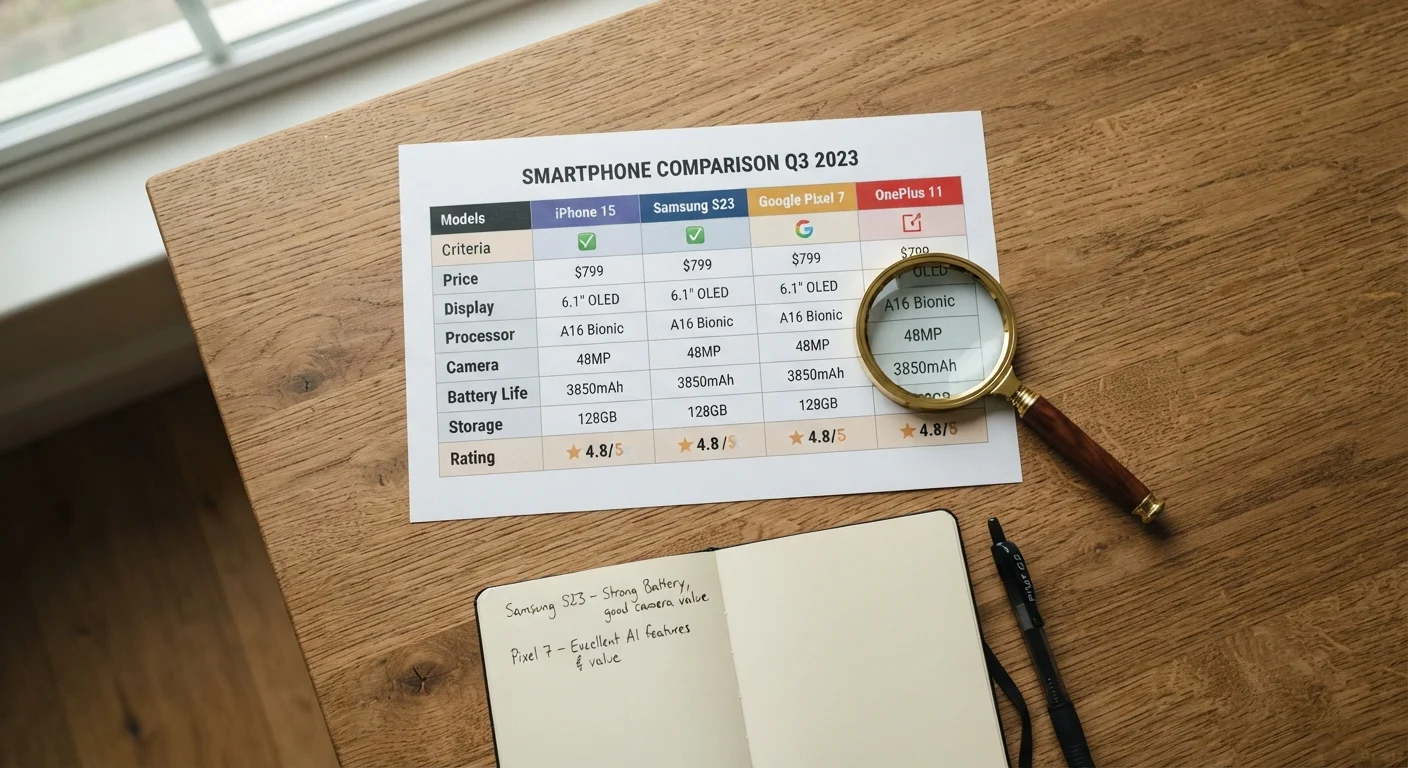
For a deeper look at how spec tables can obscure as much as they reveal, our guide on reading product comparison tables without getting misled walks through the most common fine-print traps. And if you're weighing whether a premium feature actually earns its price, see our analysis of which upgrades are worth paying for.
Use the Spec as a Comparison Tool, Not a Promise
When comparing two products, official specs are still useful - they let you rank options relative to each other. A product rated for 60 minutes of runtime will likely outlast one rated for 30 minutes, even if neither hits its stated figure. Use the number for ranking, not for predicting exact performance.
Shopping Smarter with Honest Expectations
Understanding the spec gap doesn't mean distrusting every number on a product page. It means treating specs as a comparative framework - useful for narrowing your options - rather than a performance guarantee. A product rated for 45 minutes of battery versus 30 minutes is still likely to last longer in practice, even if neither hits its stated figure.
Some product categories, like bedding, have their own spec conventions worth understanding on their own terms. Our article on bedding specs that actually matter covers how numbers like thread count and fill power work - and where they stop being useful signals.
The goal isn't to become cynical about specifications. It's to use them as one input among several, weighted appropriately against real-world testing and the experiences of people who've already used the product in conditions similar to yours.
“The number on the box tells you how a product performed on the day it was tested, under conditions the manufacturer controlled. What you actually want to know is how it performs on your day, under your conditions.”
— Consumer Reports Testing Division, Independent product testing organization