
Why the Claims Process Can Go Wrong
Filing a car insurance claim seems straightforward - until it isn't. Missed reporting windows, careless statements, and incomplete documentation are among the most common reasons claims get delayed, disputed, or denied. Understanding the mechanics of the process before you need it is the clearest path to a smoother outcome.
Auto insurance policies are contracts with specific obligations on both sides. Your insurer agrees to cover certain losses; you agree to report incidents promptly, cooperate with the investigation, and not misrepresent facts. Falling short on any of these can complicate an otherwise valid claim. For a thorough breakdown of what your policy actually covers, see Car Insurance in the US: What You're Actually Paying For.
Never Admit Fault at the Scene
Saying "I'm sorry" or accepting blame - even casually - can be used against you during the claims process. Fault is a legal and insurance determination based on evidence, statements, and applicable traffic laws, not a polite exchange at the roadside. Stick to exchanging contact and insurance information only, and let the formal investigation run its course.
It's also worth noting that many drivers carry outdated assumptions about how coverage works. Common Car Insurance Beliefs That Can Cost You Money outlines widespread misconceptions that can leave drivers underprotected at exactly the wrong moment.
What You Need Before You Start
Preparation before an incident is nearly as valuable as how you respond after one. Review the prerequisites and tools below - gathering them in advance means you won't be scrambling at the scene.
What you will need
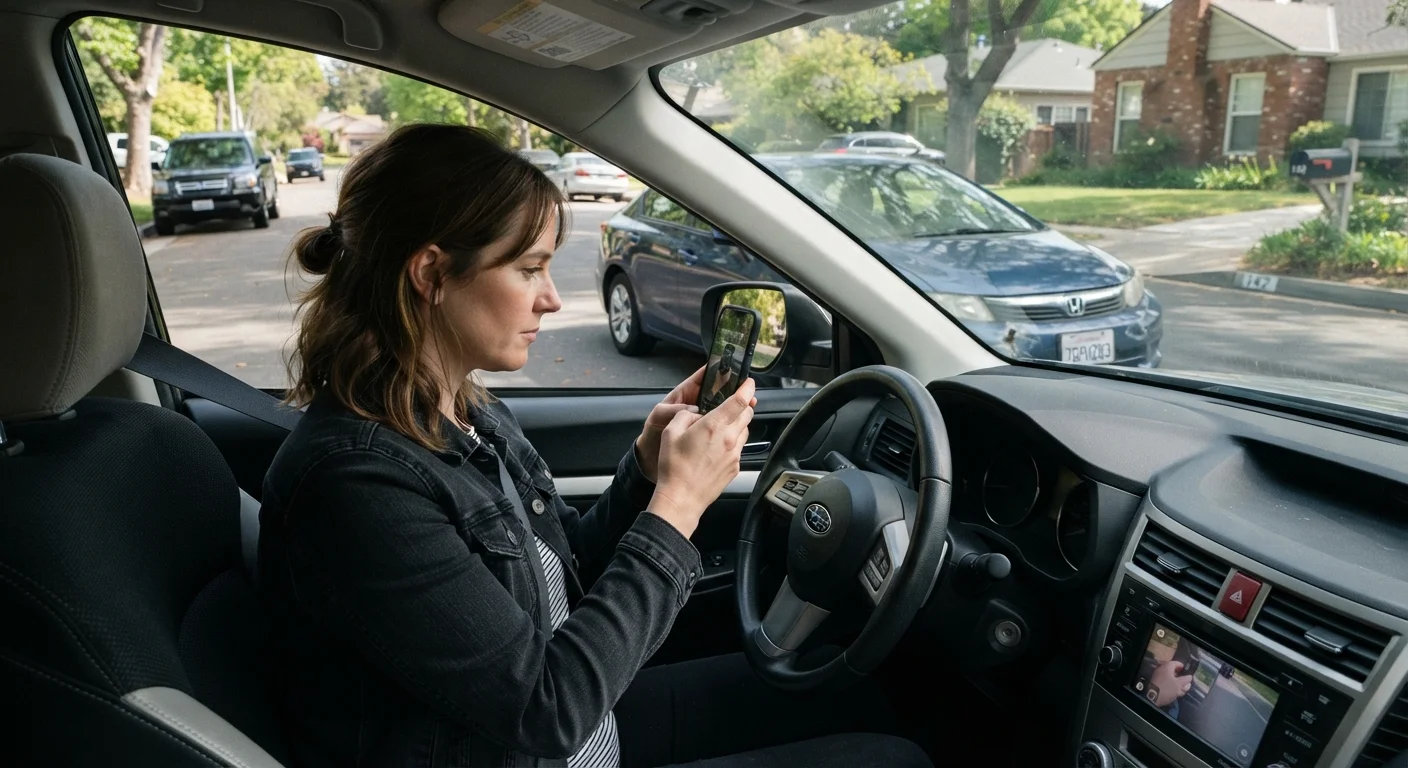
Smartphone with Camera
Photograph vehicle damage, road conditions, license plates, and the surrounding scene immediately after an incident.
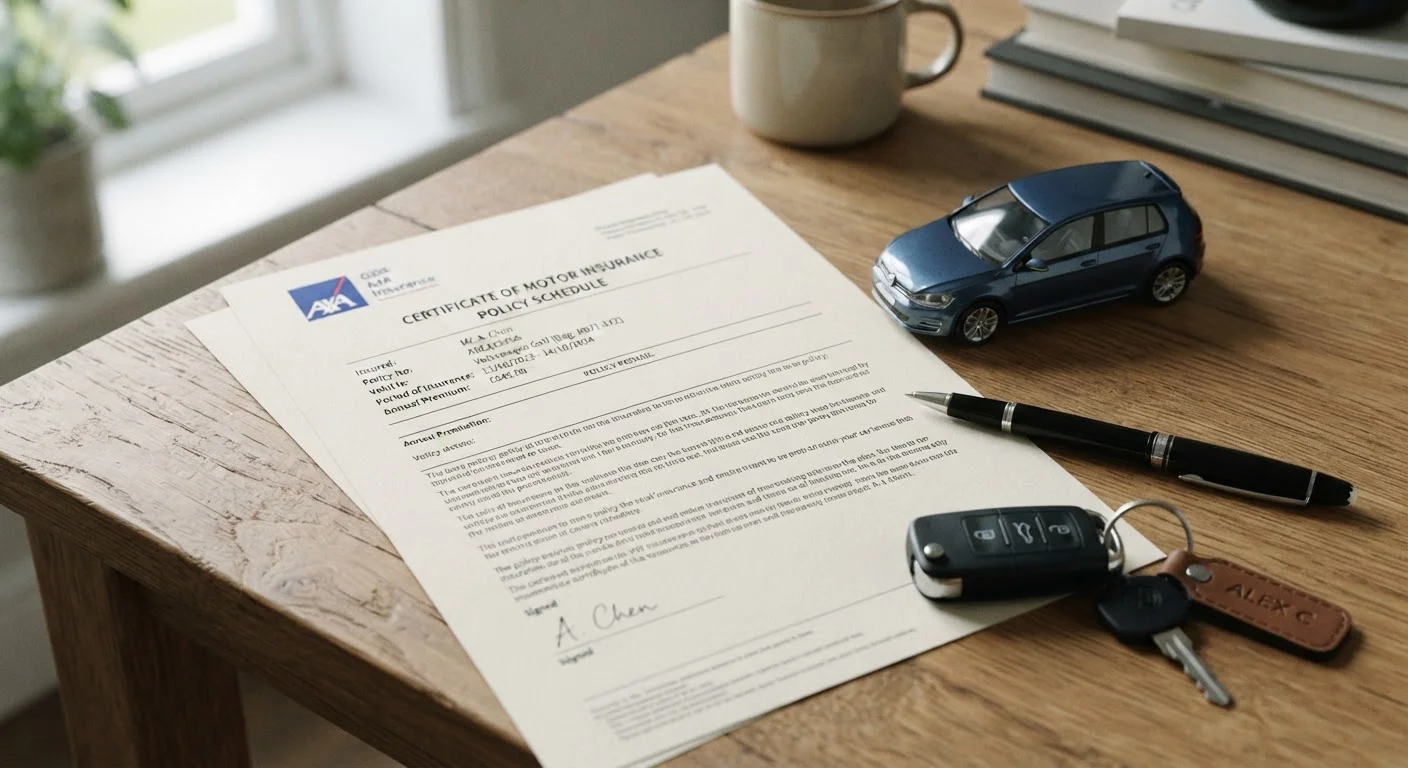
Auto Insurance Policy Documents
Confirm coverage types, deductibles, and reporting deadlines before initiating a claim.
Police Report Copy
Serves as an official third-party record of the incident; many insurers require or strongly prefer it.
Claims Log or Notebook
Track all communications with your insurer, including dates, representative names, and outcomes.
Missing Deadlines Can Void Your Claim
Auto insurance policies typically include specific reporting windows - some as short as 24 to 72 hours for certain incident types. Failing to notify your insurer within the required timeframe can give them grounds to deny or reduce your claim. Read your policy's reporting requirements carefully and act quickly after any incident.
Step-by-Step: Filing Without Making It Worse
Follow these steps in order. The earlier ones happen at the scene; the later ones guide you through the insurer relationship. Each stage builds on the previous one, so skipping ahead can create gaps that complicate the overall claim.
Prioritize Safety and Contact Authorities
Before anything else, confirm that all parties are safe and move vehicles out of active traffic if it is safe to do so. Call 911 if there are injuries or significant property damage. Even in minor incidents, a police report creates an official, neutral account of the event - something your insurer will likely request. In some states, you are legally required to report accidents above a certain damage threshold to the DMV as well.
Document Everything at the Scene
Take photographs of all vehicles involved from multiple angles, capturing damage, license plates, road conditions, traffic signs, and any skid marks or debris. Collect the other driver's name, contact information, insurance carrier, and policy number. If witnesses are present, note their names and phone numbers. Thorough scene documentation is one of the most effective ways to support your claim.
Review Your Policy Before Filing
Before you call your insurer, spend a few minutes reviewing your current policy. Confirm which coverage types apply to the incident - for example, collision coverage handles damage from an at-fault crash, while comprehensive covers non-collision events like theft or weather damage. Understanding what you're actually covered for prevents surprises during the review process. If you need a refresher, see our guide to liability, collision, and comprehensive coverage.
Notify Your Insurer Promptly
Contact your insurance company as soon as reasonably possible - ideally the same day as the incident. Most insurers offer 24/7 claims hotlines and mobile app submission options. When you call, provide only factual information: what happened, where, when, and what evidence you have. Avoid speculating about fault or exaggerating damage. Your insurer will assign a claims adjuster to investigate.
Cooperate With the Claims Adjuster
The adjuster's job is to assess the damage and determine what the policy will cover. Make your vehicle available for inspection promptly, provide requested documentation, and answer questions factually. You are generally not required to give a recorded statement to the other driver's insurer without consulting your own insurer first - ask your claims representative for guidance before agreeing to that.
Track All Communications and Follow Up
Maintain a written log of every conversation, email, and decision made during the claims process. Note the adjuster's name, the date and content of each interaction, and any figures discussed. If your claim extends over multiple weeks, check in regularly rather than waiting passively. Delays in response or documentation can slow resolution considerably.
Keep a Simple Claims Log
Create a dedicated document - even a plain notes app on your phone - to record every contact with your insurer: date, time, the representative's name, and what was discussed or agreed upon. This log can resolve disputes quickly if discrepancies arise later in the process.
This article provides general information about the auto insurance claims process and is not a substitute for personalised advice from a licensed insurance professional. Coverage terms, deadlines, and obligations vary by policy and state. Always read your own policy documents and consult your insurer or a licensed agent for guidance specific to your situation.