
Why a Smaller Wardrobe Can Do More
Most wardrobe frustration doesn't come from having too few clothes - it comes from having too many that don't work together. When every item requires a very specific pairing to look right, getting dressed becomes a daily puzzle. The fix isn't more shopping; it's smarter selection.
A functional everyday wardrobe is built around pieces that talk to each other - items that combine in multiple ways so you're never stuck. This is the thinking behind a capsule wardrobe. If you're curious about the full concept, learn what a capsule wardrobe actually is and how it creates outfit flexibility with fewer items.
The goal isn't minimalism for its own sake. It's building a closet where every item earns its place - and where getting dressed on a Monday morning feels just as easy as getting ready for Saturday plans.
Capsule wardrobe
A small, curated collection of versatile clothing pieces that mix and match easily to create many different outfits.
Anchor piece
A reliable, neutral item - like dark jeans or trousers - that serves as the starting point for building an outfit around.
Layering
Wearing multiple clothing items together in a way that adds visual interest, warmth, or flexibility to adjust throughout the day.
Versatile basics
Simple, neutral clothing items that work across multiple occasions and pair well with many other pieces in your wardrobe.
The Pieces That Pull Real Weight
Certain clothing types consistently do the most work in everyday wardrobes. These aren't trend items - they're reliable, adaptable, and easy to style. Here's where to focus:
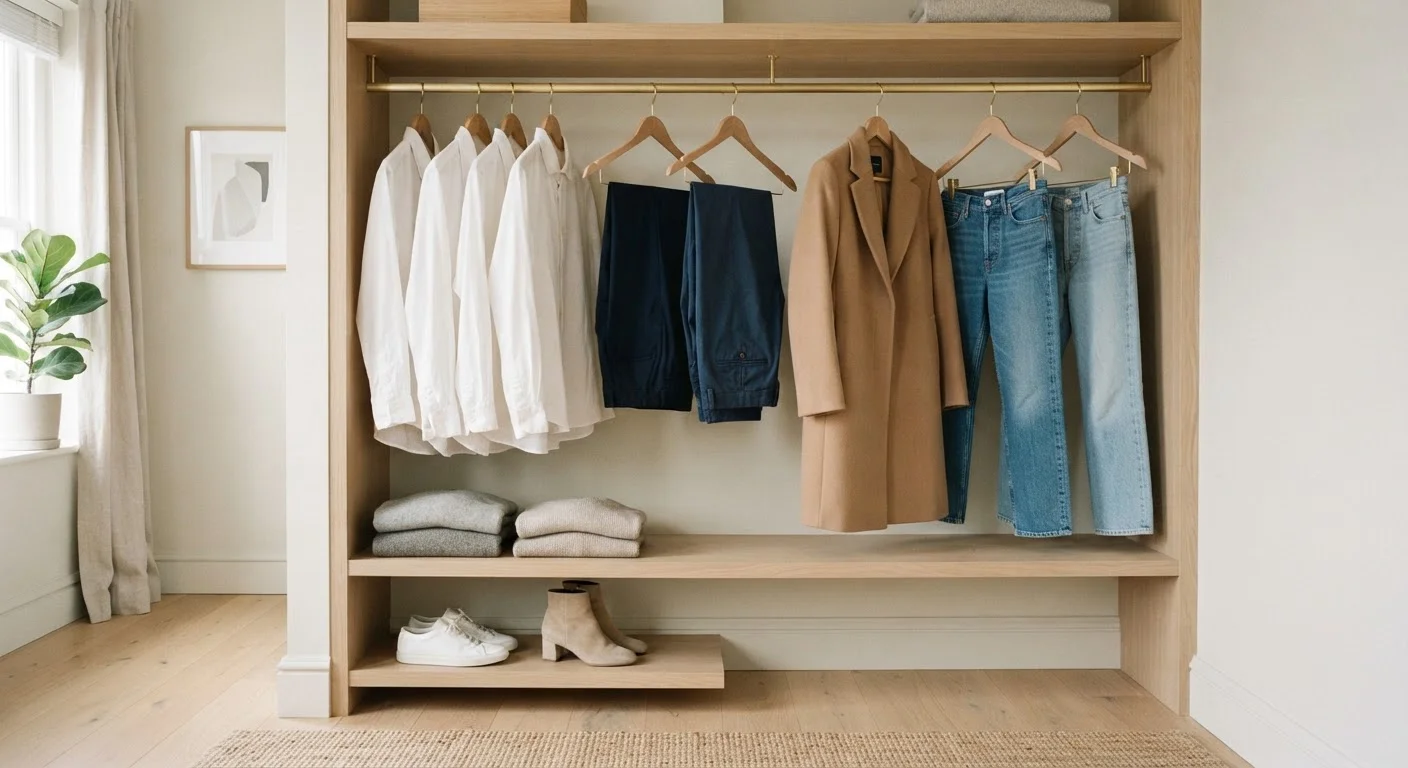
- Dark straight-leg or slim jeans: Versatile enough for work-casual environments, errands, and evenings out. Dark washes look more polished; lighter washes lean more relaxed.
- Plain tees and fitted tops in neutrals: White, grey, and navy tees are the workhorses of any closet. They layer, they tuck, and they go with nearly everything.
- A structured layer: A well-fitted blazer, a clean denim jacket, or a simple cardigan can pull a whole look together. These are the pieces that make casual feel considered.
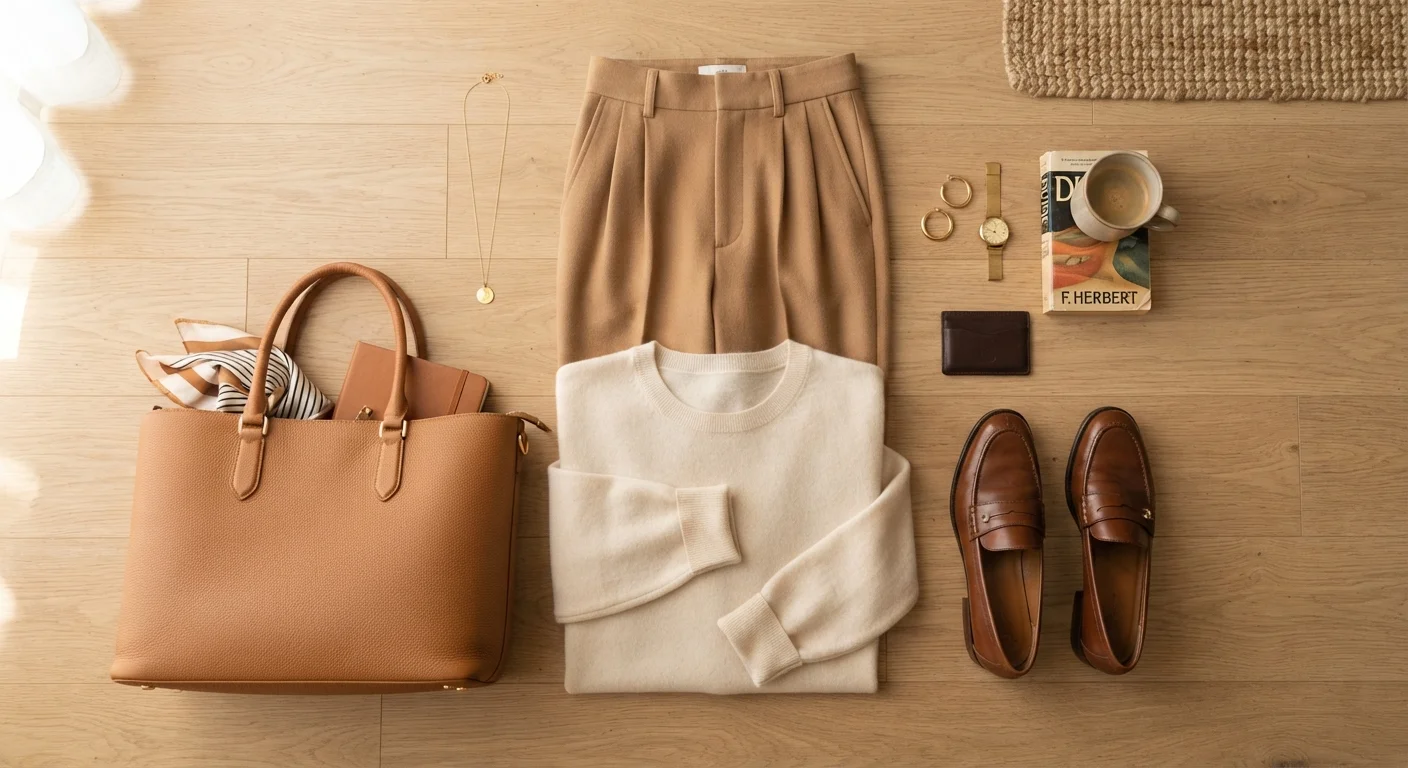
- Trousers or chinos: A pair in a neutral tone bridges smart and casual settings without effort.
- Versatile shoes: Clean white sneakers, simple loafers, or ankle boots handle the widest range of occasions. Avoid overly sporty or formal shoes as your only option.
For a more detailed breakdown of foundational items, see wardrobe basics every American closet should cover.
Neutrals First, Color Second
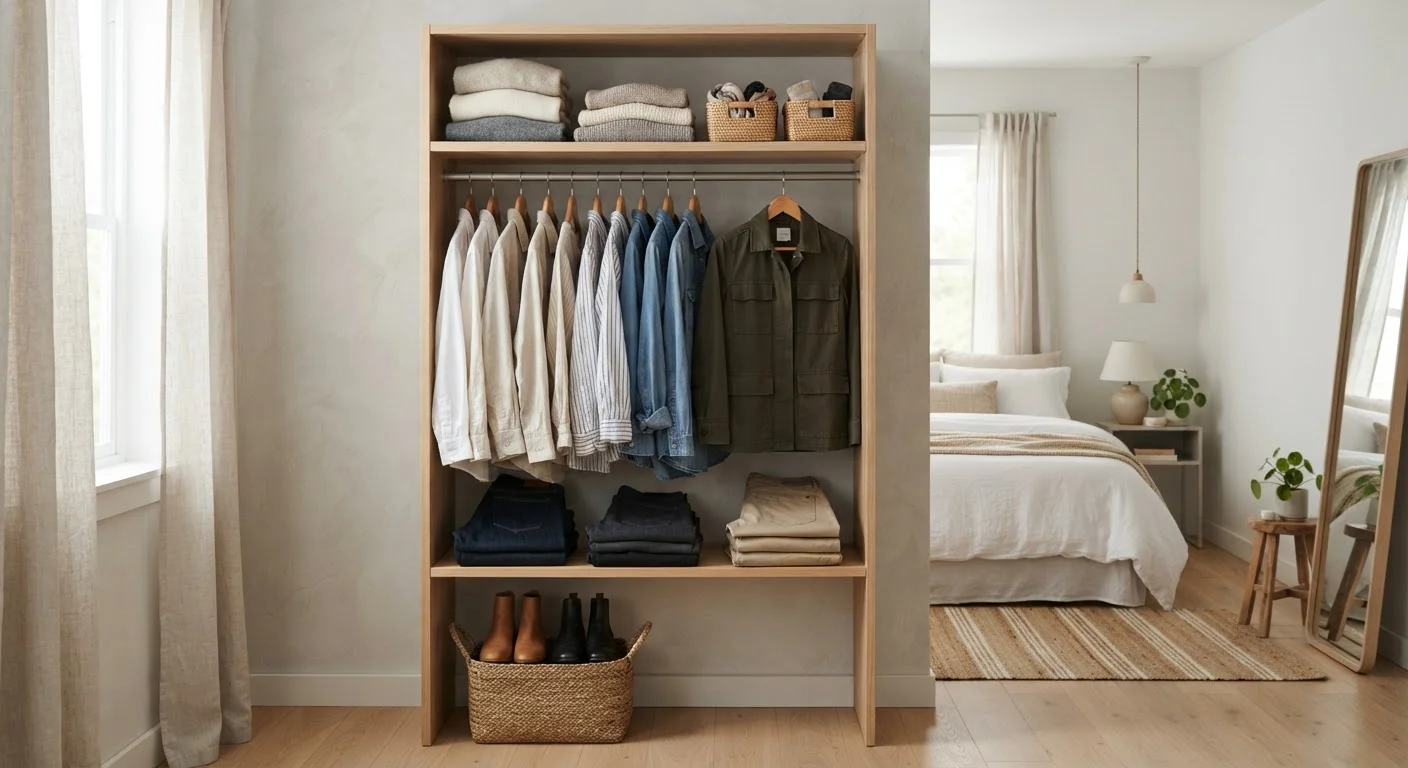
If you're starting from scratch, build your foundation in neutrals - black, white, navy, grey, and tan. These colors pair with almost anything, which means every new piece you add has more outfit partners to work with. Once your base is solid, one or two accent colors feel intentional rather than chaotic.
Making Outfits Work Across Different Days
The real test of a functional wardrobe is how well it handles a shifting week - a work-from-home morning, an in-person meeting, a grocery run, and a casual dinner can all happen within the same day. The secret is building outfits around anchor pieces and adjusting around them.
Start with one strong piece - say, dark jeans or tailored trousers - and build up or down depending on where you're headed. Swap a relaxed tee for a simple button-down to move from errands to a meeting. Add or remove a structured layer to shift the formality level. Outfits that work from office to errands offers practical approaches for exactly these transitions.
Layering is especially powerful here. A tee worn alone reads as relaxed; the same tee under an open button-down or a lightweight jacket reads as intentional. Layering basics breaks down how to get more outfits out of what you already own without buying a thing.
Avoid Building Around Occasion-Specific Pieces
It's tempting to buy something for a specific event - a party, a wedding, a work presentation - and count it as a wardrobe staple. These items rarely pull their weight day-to-day. Prioritize pieces you'd reach for at least twice a week; if you can only picture wearing something once or twice a year, it belongs in a different category.
Keeping Your Basics in Good Shape
A wardrobe built on versatile basics only works if those basics actually look good. A stretched-out tee, faded black jeans, or a pilling cardigan undermine even the best outfit formula. A little care goes a long way.
- Wash less frequently: Most items - especially denim - don't need washing after every wear. Over-washing accelerates fading and wear.
- Follow care labels: Cold water and low-heat drying protect fabric and color better than hot washes.
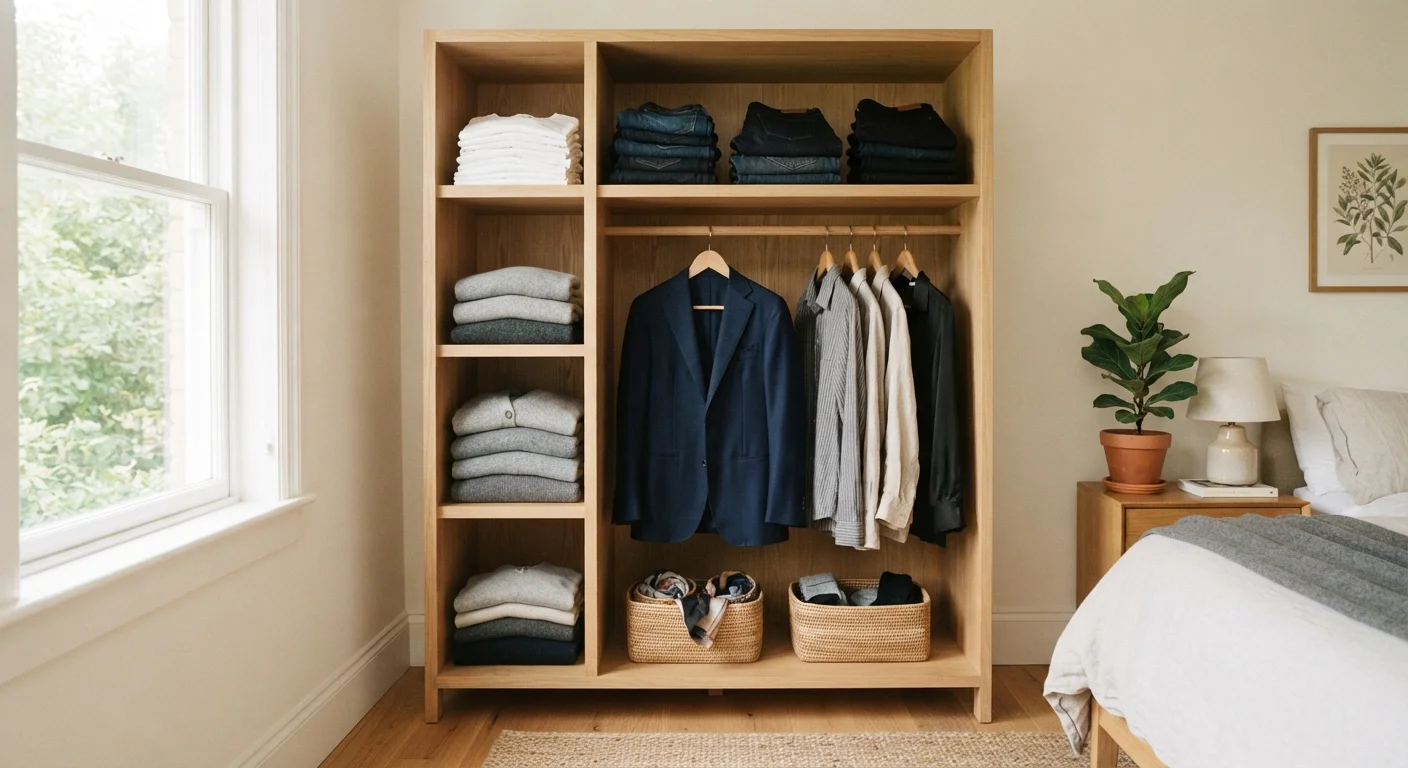
- Store properly: Knits do better folded than hung; structured pieces hold their shape better on hangers.
- Address wear early: A small pull in a sweater or a loose button is a quick fix when caught early and a bigger problem if ignored.
For a full guide to maintaining your everyday staples, caring for basics so they stay basics covers laundry, storage, and maintenance habits that genuinely extend the life of your wardrobe.