
Why Layering Is Really About Versatility
Most people think of layering as a cold-weather survival tactic - pile on enough, stay warm, done. But layering is actually one of the most practical styling tools available, regardless of the season. The real idea is that one outfit can become three by simply adding, removing, or swapping a single piece.
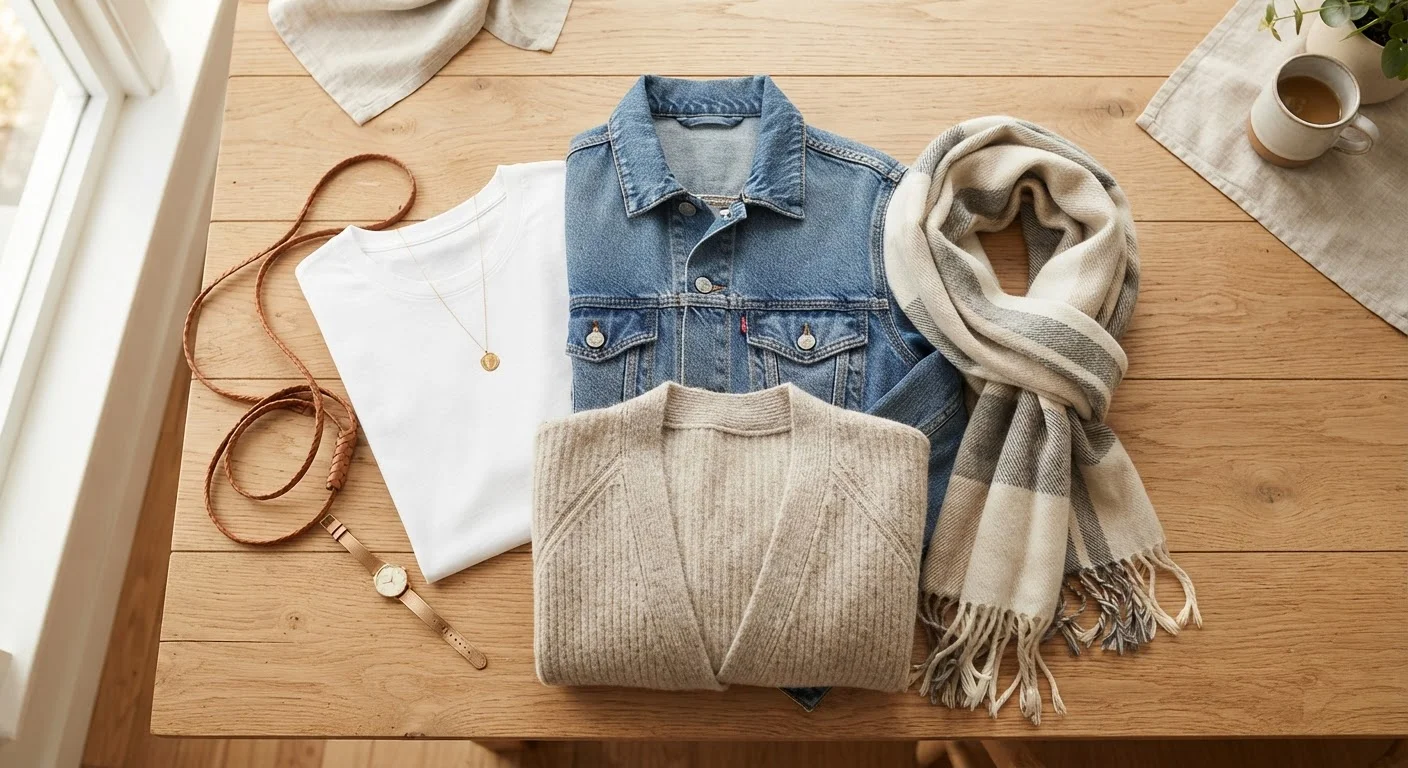
If you've ever thrown a denim jacket over a sundress and felt like you had a completely different look, you already understand the concept. Layering creates visual variety without requiring more closet space or spending. It rewards the pieces you already own by putting them to work in new combinations.
For a deeper look at how this principle applies across every season, see The Layering System Explained, which covers how the base, mid, and outer layer framework extends well beyond cold-weather dressing.
Start With What's Already in Your Closet
Before buying new pieces, spend 15 minutes pulling out everything you own and trying unexpected combinations. Many people discover several workable layered outfits they've never tried. New purchases make more sense once you know what's actually missing from your existing options.
The Building Blocks: What Actually Layers Well
Not every piece in your closet is naturally layer-friendly, and that's okay. The key is identifying a small set of pieces that play well with others.
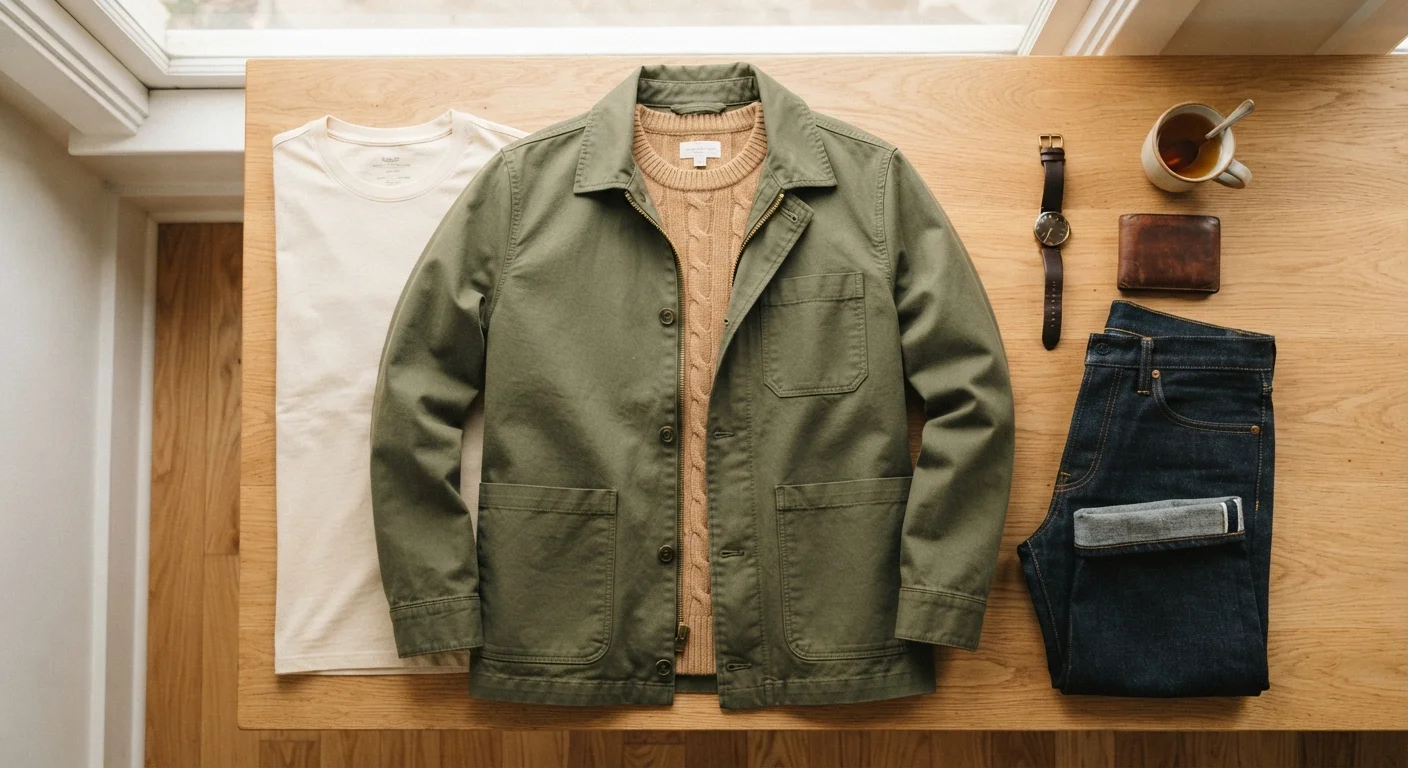
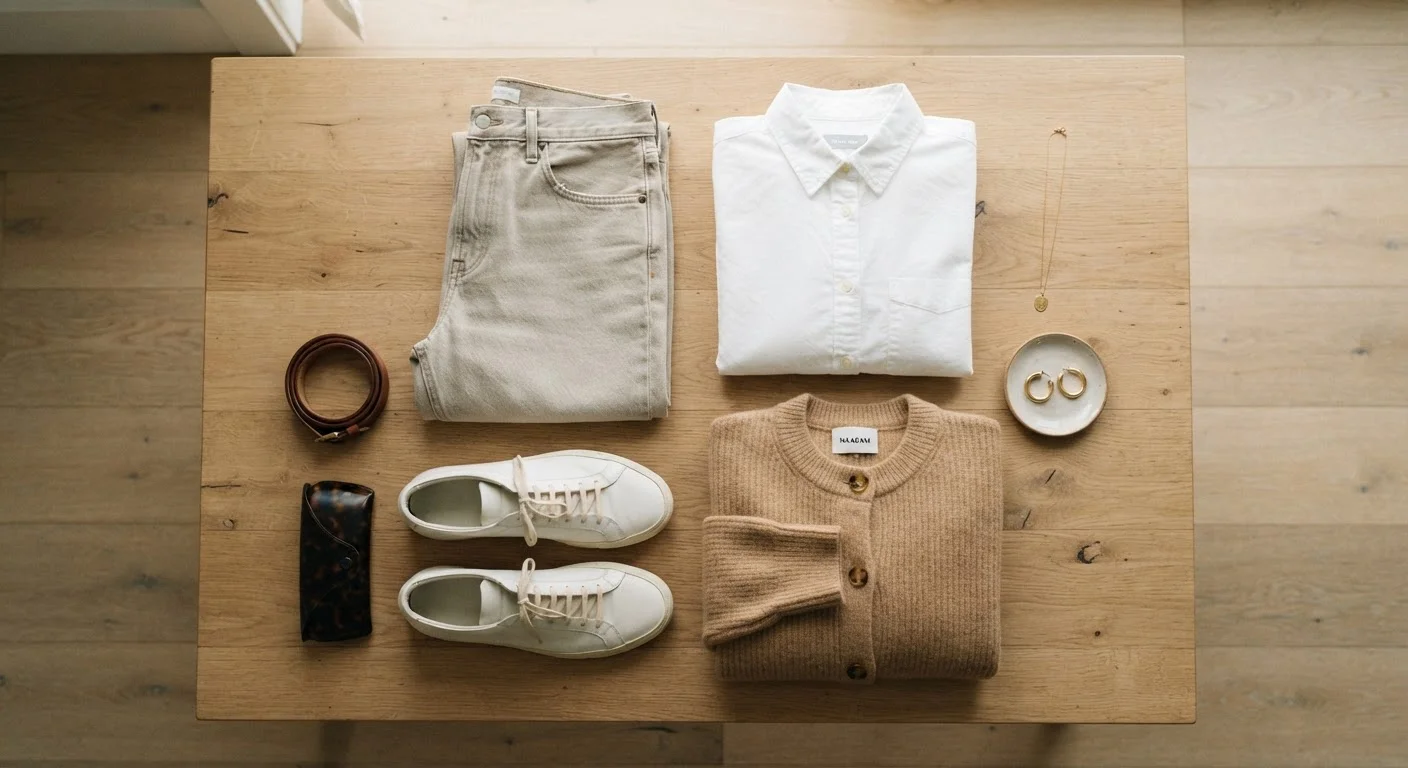
- Base layers: Fitted tees, tanks, and long-sleeve shirts in neutral colors. These sit closest to the body and serve as the foundation every other piece builds on.
- Mid layers: Button-down shirts (worn open), lightweight cardigans, thin sweaters, and overshirts. This is where personality comes in - texture, color, and pattern live here.
- Outer layers: Denim jackets, blazers, bomber jackets, and trench coats. These frame the whole look and are the first thing people notice.
The magic happens when mid and outer layers are treated as interchangeable. A flannel shirt worn open over a tee is a mid-layer. Tied around your waist or draped over a shoulder, it becomes an accessory. That single piece just gave you three variations.
Fit and fabric both shape how layering works - a well-constructed mid-layer in a breathable fabric will sit cleanly over a base without bunching or adding unnecessary bulk.
3-5x
Outfit combinations per added layer
Style educators commonly illustrate that each versatile mid-layer piece can multiply the number of distinct outfits from a small wardrobe by several times.
70%
Of wardrobe items rarely worn
Research on consumer clothing habits frequently finds that a large majority of closet items go largely unworn - layering strategies help activate underused pieces.
How to Build More Outfits From What You Have
Before buying anything, do a quick audit of your current closet. Pull out every top, jacket, and layer you own and set them in one place. Then try combinations you've never worn before - you might be surprised by what's already there.
A few techniques that consistently expand outfit count:
- Tuck one piece partially: A French tuck (tucking the front of a shirt loosely into pants while leaving the back out) adds polish to a layered look without looking too formal.
- Vary where you stop each layer: A shorter jacket over a longer shirt creates visual contrast that reads as intentional. Hemlines matter.
- Use texture as a substitute for color: If your palette is mostly neutral, mixing a chunky knit with a smooth button-down creates interest without clashing.
If you want a practical system for putting these principles together on real mornings, outfit formulas for low-energy days offers repeatable combinations that take the guesswork out of getting dressed.
Keeping Your Layers Looking Fresh
Layering puts more wear on individual pieces, especially base layers, so maintenance matters. A white tee that's pilled or yellowed undermines even the sharpest outer layer. Treat your basics well and they'll keep doing the heavy lifting.
Simple laundry and storage habits go a long way - washing base layers inside out, air-drying knits flat, and storing folded items away from direct light all extend the life of everyday staples.
If you're thinking about which foundational pieces are worth investing in for a wardrobe built around layering, building a wardrobe that transitions from casual to formal covers which pieces earn their keep across more than one context.
Layering Works Across Dress Codes
A blazer layered over a simple crewneck can take a casual look into smart-casual territory without any other changes. This flexibility makes layering particularly useful for people who move between different environments - office, errands, social plans - within a single day. See building a wardrobe that works every day of the week for more on structuring your closet around this kind of flexibility.