
Why Every Season Needs an Anchor
Getting dressed shouldn't feel like solving a puzzle every morning. The secret most effortlessly stylish people share isn't a massive wardrobe - it's knowing their seasonal anchor: a single reliable piece that sets the tone for almost every outfit they put together during a given time of year.
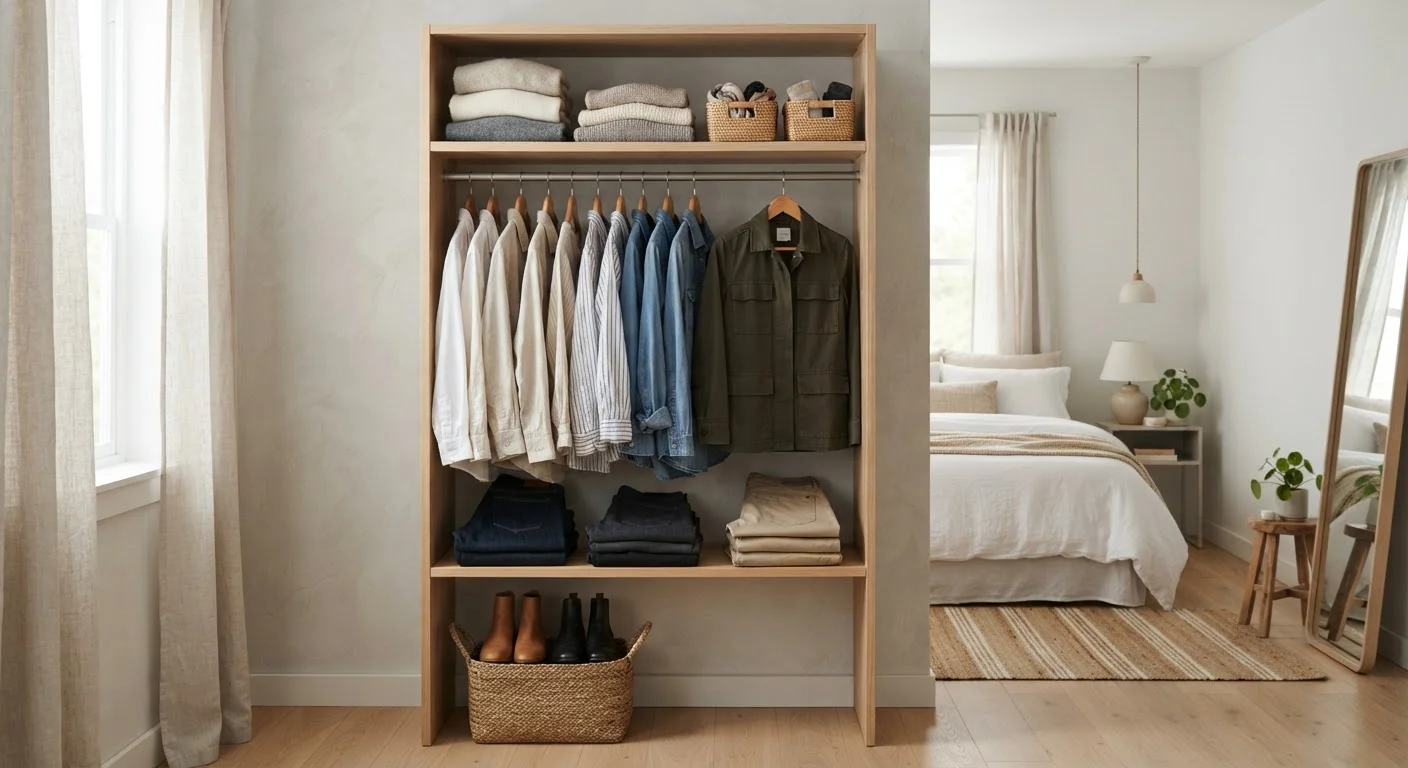
Think of an anchor the way you'd think of a sofa in a living room. Once it's placed, everything else arranges itself around it. The same principle applies to your closet. When you know your seasonal starting point, you stop staring at clothes and start actually getting dressed. If you're building a wardrobe from scratch or refining what you have, this pairs well with building a wardrobe that works every day of the week.
Below, we break down the most practical anchor pieces for each season - what they are, why they work, and how to build around them.
Spring: The Lightweight Layer
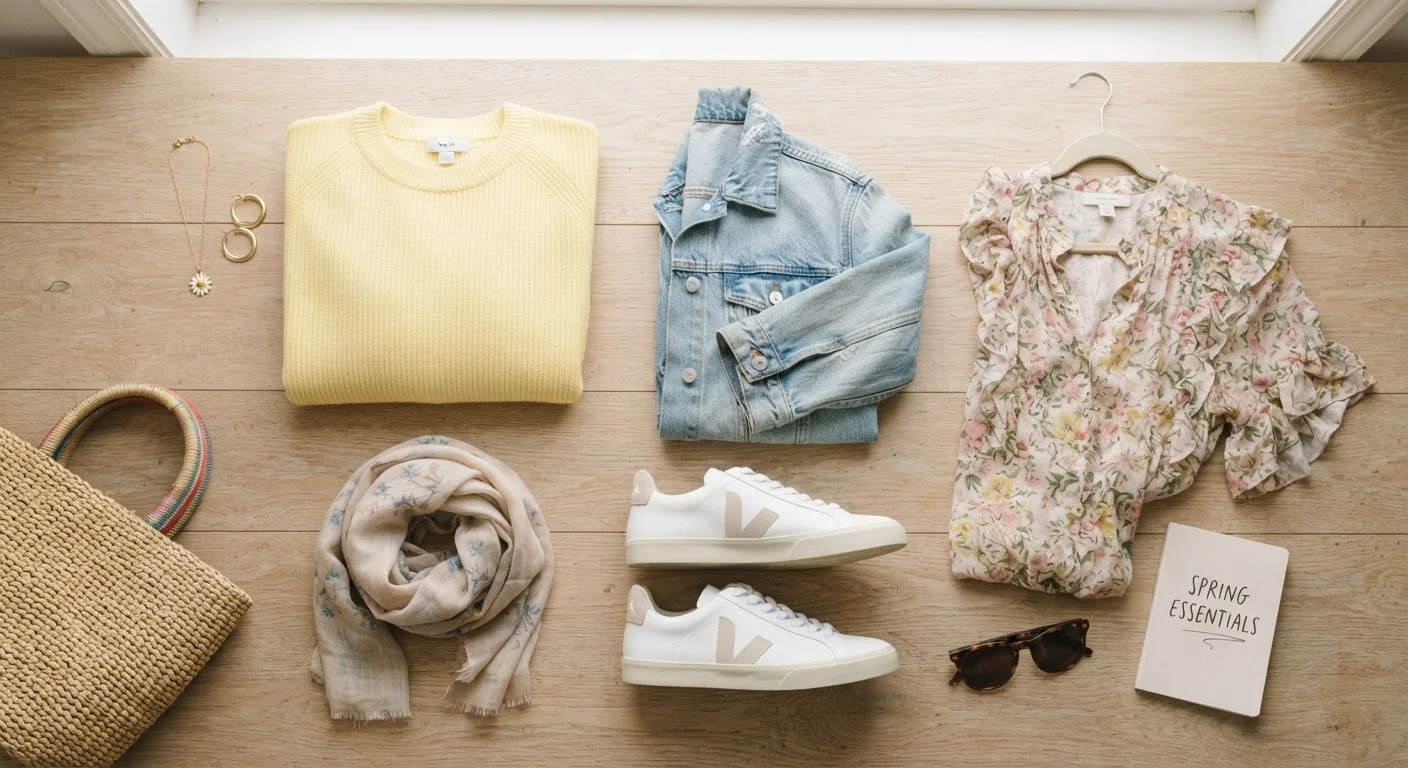
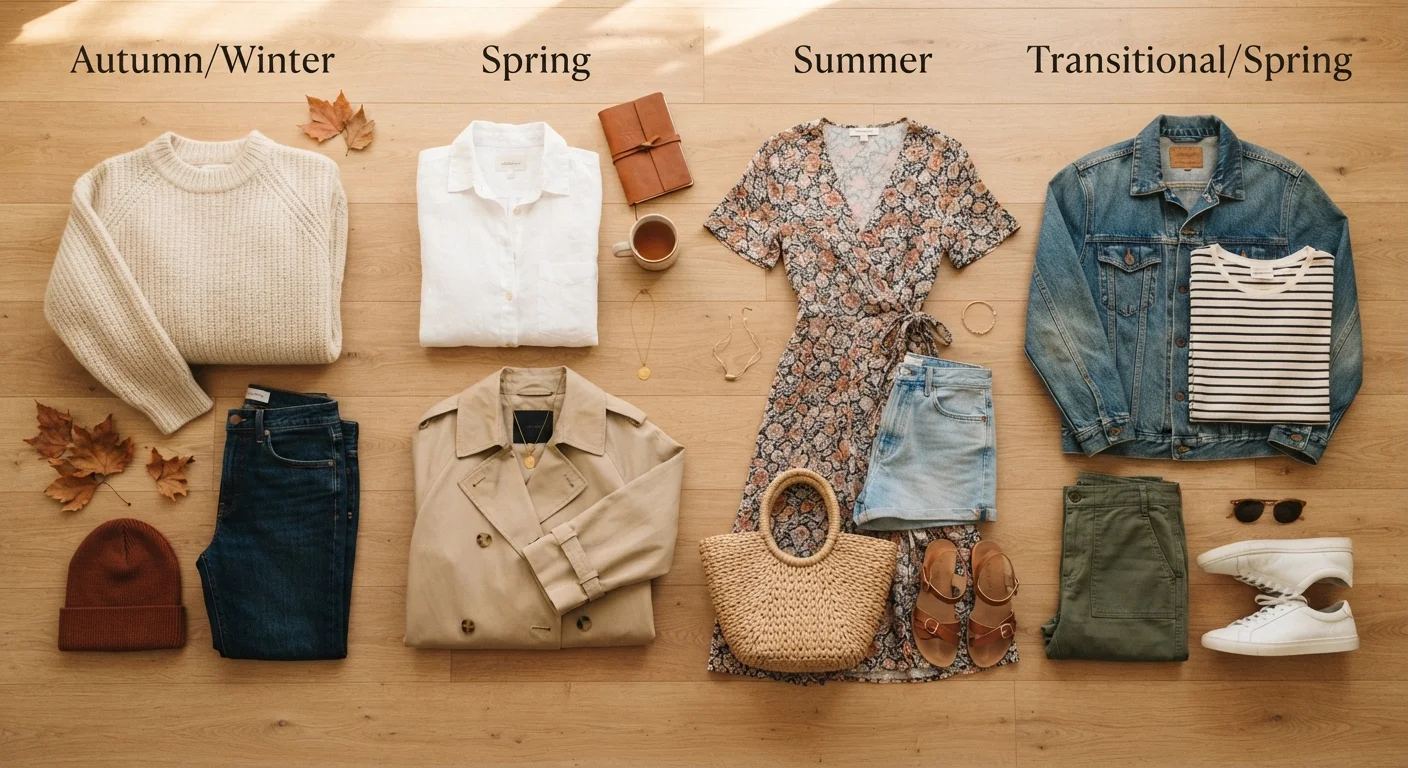
Spring is the season of temperature whiplash - chilly at 7 a.m., almost warm by noon, breezy again by evening. Your anchor for spring isn't a single outfit layer but rather a lightweight outer layer you can add or shed without a second thought: a denim jacket, an unstructured blazer, or a cotton utility overshirt.
These pieces work because they add polish without adding bulk. Throw one over a basic tee and jeans, and you're dressed. Pair it with a sundress on a mild day, and it bridges the seasonal gap gracefully. Look for relaxed fits that don't fight with whatever's underneath, and stick to neutral or classic colors so the piece doesn't limit your other choices.
A lightweight layer you can shed mid-morning is spring's most dependable outfit tool.
Summer: The Breathable Bottom
In summer, heat is the main obstacle - and your anchor should solve it. That means starting with a breathable bottom: linen trousers, relaxed cotton shorts, a flowy midi skirt, or lightweight chino-style pants. Whatever you're most comfortable in when the temperature climbs.
Tops in summer are easy - lightweight tees, tanks, and short-sleeved shirts are everywhere. But the right bottom changes everything. Linen trousers, for example, read casually with a tucked-in tee but become genuinely polished when paired with a simple blouse or a button-down. Summer anchors earn their keep by moving between relaxed weekend plans and something slightly more intentional without requiring a full outfit change.
A breathable, versatile bottom is the quiet foundation of every great summer outfit.
Fall: The Layering-Friendly Knit
Fall is where wardrobes get genuinely fun. Layering becomes a tool rather than a necessity, and your best anchor for the season is a medium-weight knit - a crewneck sweater, a ribbed turtleneck, or a relaxed pullover in a neutral or earthy tone.
Good knits play nicely with almost everything: under a coat for colder days, over a collared shirt for a little visual texture, or worn alone with denim on mild afternoons. They also transition the most naturally between casual and smart-casual settings. Look for natural fiber blends - wool, cotton, or a mix - that hold their shape and don't pill quickly with regular wear. The capsule wardrobe essentials worth having every season almost always include at least one quality knit for exactly this reason.
A well-chosen knit sweater anchors fall outfits across the entire temperature spectrum.
Winter: The Reliable Outer Layer
In winter, your anchor isn't what's underneath - it's what goes on top. A coat or substantial jacket becomes the first thing people see and the piece your entire look gets built around. A classic wool coat, a quilted puffer, or a structured parka each set a distinct tone, so it pays to choose one that reflects how you actually dress day to day.
This is also the season where your anchor does the heaviest lifting in terms of practicality. You'll wear it every day, so it needs to function well in your actual climate and pair smoothly with whatever layers sit beneath it. Simple rule: if your coat works with 80% of what's already in your closet, it's doing its job.
Your winter coat is the first thing the world sees - make sure it's doing the work.
Transitional Months: The In-Between Anchor
Not every day fits neatly into a season, and the weeks between fall and winter - or spring and summer - can be some of the trickiest to dress for. A transitional anchor bridges the gap: a trench coat, a versatile midi dress, or a long-sleeve knit dress that works with sandals or boots depending on the temperature.
The key quality of a great transitional anchor is adaptability. It shouldn't be so seasonal that it only makes sense in one climate condition. If you're stuck on how to pull these transitional pieces into repeatable outfits, outfit formulas for days when you don't know what to wear can give you a reliable framework to lean on when the weather - and your wardrobe motivation - feels unpredictable.
Transitional anchors earn their keep by working equally well in two different seasons.
Making Your Anchors Work All Year
The goal isn't to own more - it's to get more mileage out of what you already have. Once you recognize your seasonal anchor, you can evaluate your closet with fresh eyes: Does everything else complement it? Are there gaps? If transitional weather has you stumped (looking at you, May mornings), spring dressing dilemmas offers solid guidance for those in-between days.
Start With What You Already Own
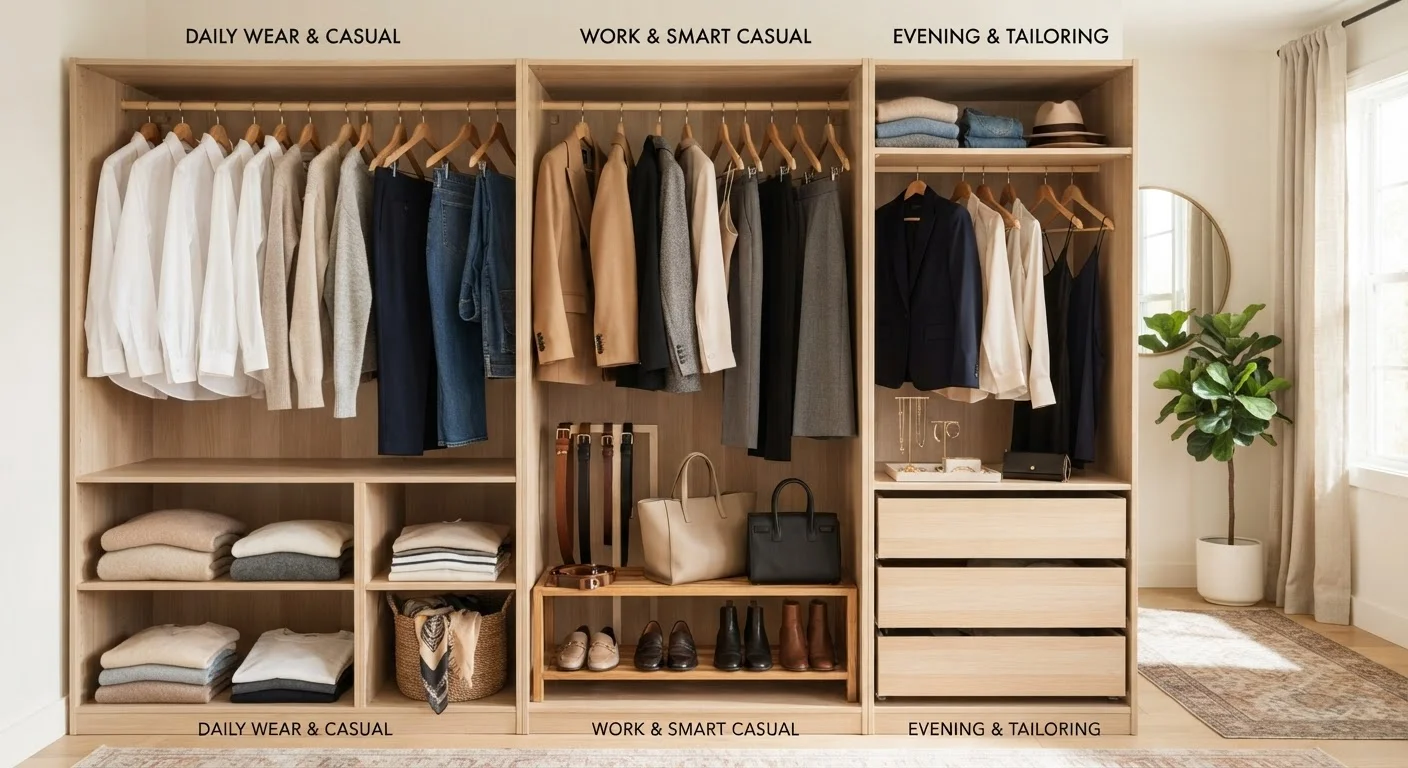
Before shopping for a new anchor piece, go through your current closet and identify which items you reach for most often in each season. Chances are, you already have a natural anchor - you just haven't named it yet. Recognizing it makes everything else easier to organize around.
For those who need outfits that stretch across dress codes - from casual weekends to office-appropriate looks - the concept of seasonal anchors dovetails naturally with dressing for any occasion. A well-chosen anchor piece should be able to pivot with you.