
Why Dog Dental Health Deserves More Attention
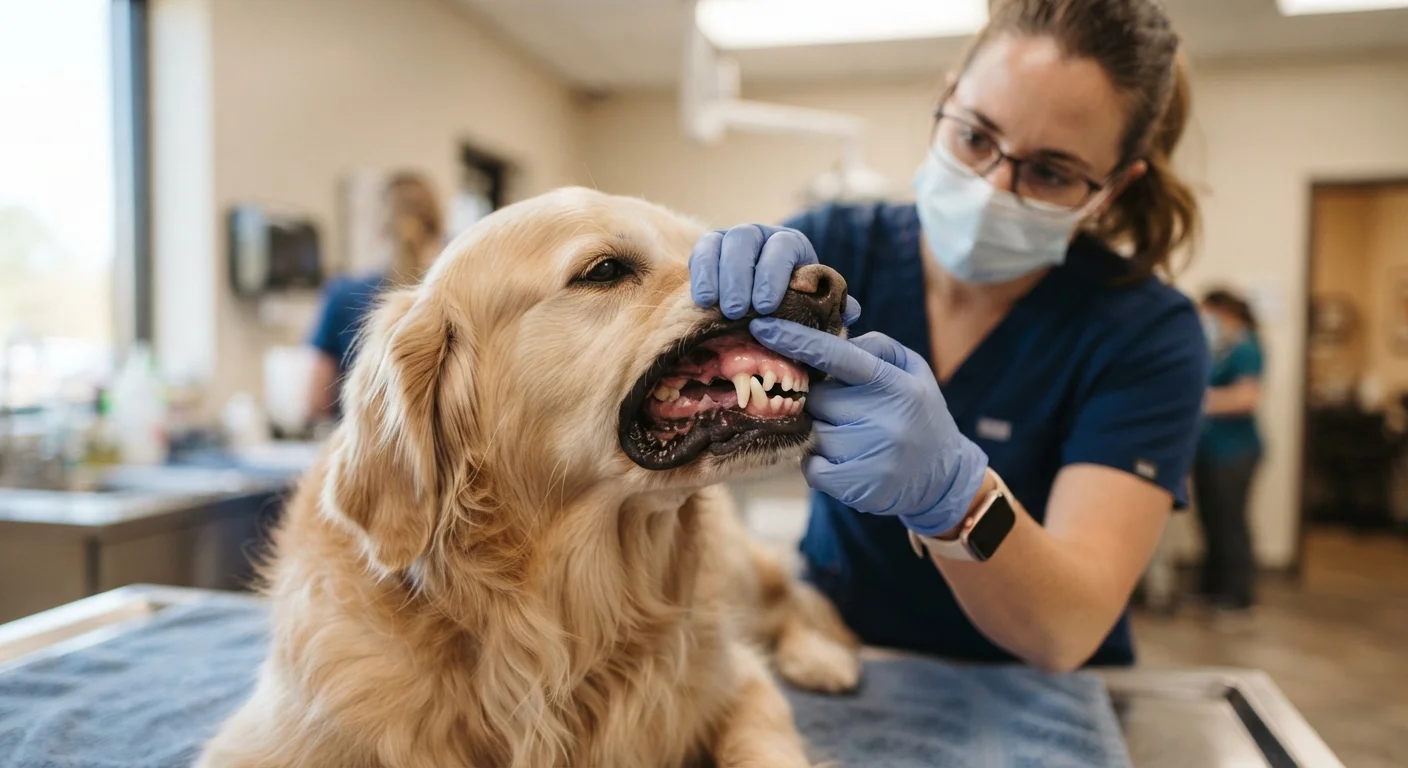
Veterinary organizations consistently report that periodontal disease - infection and inflammation of the structures supporting the teeth - is among the most frequently diagnosed conditions in dogs. Studies suggest that signs of the disease appear in the majority of dogs by the time they reach three years of age. Despite that, dental care is one of the aspects of dog ownership most commonly skipped between annual checkups.
The consequences go beyond bad breath. Bacteria from infected gum tissue can enter the bloodstream and have been associated with changes in heart, kidney, and liver tissue. Pain from loose or abscessed teeth often goes unrecognized because dogs instinctively mask discomfort - many owners are surprised to discover their dog has been eating normally around severe oral disease.
Understanding what's actually happening inside your dog's mouth - and separating common myths from the evidence - is the first step toward meaningful prevention. The annual vet visit is a good starting point, but daily home care determines how much damage accumulates between those appointments.
Myth
If my dog is eating fine, their teeth must be okay.
Fact
Dogs routinely continue eating through significant dental pain because their survival instinct suppresses obvious signs of discomfort.
Changes in eating behavior - favoring one side of the mouth, dropping food, or reluctance to chew hard items - can signal dental pain, but many dogs show no behavioral changes at all even with advanced disease. Veterinarians frequently discover fractured teeth, root abscesses, and severe periodontal disease in dogs whose owners reported no concerns. Regular oral exams are necessary precisely because dogs do not self-report pain reliably.
Myth
Dry kibble keeps a dog's teeth clean on its own.
Fact
Most dry kibble crumbles before any meaningful abrasion reaches the gumline, providing minimal dental benefit.
The idea that crunchy food scrapes away plaque has been repeated widely, but veterinary dental research does not support dry food as a meaningful substitute for active dental care. Only specially formulated dental diets - with larger kibble size and specific fiber orientation designed to contact tooth surfaces - have demonstrated a plaque-reducing effect. Standard dry food, regardless of size or hardness, does not replicate that action. Plaque and tartar accumulate in dogs fed dry food just as they do in those fed wet food.
Myth
Anesthesia-free dental cleanings are just as effective and safer for older dogs.
Fact
Anesthesia-free cleanings remove visible surface tartar only and cannot address subgingival disease, which is where the damage actually occurs.
Periodontal disease progresses beneath the gumline, in the space between the tooth root and surrounding bone. Cleaning that area requires probing, scaling, and flushing that cannot be performed safely or thoroughly on a conscious animal. Anesthesia-free procedures may improve the visual appearance of teeth while leaving underlying infection untreated - and can create a false sense of security. The American Veterinary Dental College advises against anesthesia-free dental procedures. Modern anesthetic protocols with pre-anesthetic bloodwork and careful monitoring have made professional cleanings manageable for the majority of older dogs.
Myth
Dental disease only affects the mouth.
Fact
Oral bacteria can enter the bloodstream and have been linked to changes in heart valves, kidney tissue, and liver function.
Chronic periodontal infection creates a persistent source of bacteria that the immune system must continually manage. Research has found associations between severe dental disease and conditions including endocarditis (infection of the heart's inner lining) and kidney disease. While the relationship is still being studied and does not mean dental disease directly causes these conditions in every case, the systemic implications are taken seriously enough that veterinary cardiologists routinely address dental health when managing heart patients. Treating dental disease is considered part of whole-body care, not just oral hygiene.
Myth
Once a dog has tartar, brushing is pointless.
Fact
Brushing prevents new plaque from maturing into tartar and slows the progression of existing disease between professional cleanings.
Plaque - the soft bacterial film that forms on teeth daily - mineralizes into tartar (calculus) within approximately 72 hours if not removed. Once tartar has formed, it can only be removed by professional scaling; brushing cannot dislodge it. However, daily brushing after a professional cleaning removes fresh plaque before it can harden, dramatically extending the interval before the next cleaning is needed. Starting a brushing routine at any stage of a dog's life has value, even if it cannot reverse what is already present. For a broader look at myths that persist across pet care, see our piece on common pet wellness myths.
Building a Realistic Home Care Routine
Daily tooth brushing with a dog-safe toothpaste (never human toothpaste, which contains xylitol and fluoride at levels harmful to dogs) is the gold standard recommended by veterinary dental specialists. Even 30 seconds of brushing along the outer surfaces of the back teeth - where plaque accumulates fastest - makes a measurable difference compared to no brushing at all.
If brushing is not tolerated right away, gradual desensitization works: start by letting your dog lick toothpaste off your finger, then introduce a soft-bristled brush or finger brush over several weeks. Consistency matters more than perfect technique.
Never Use Human Toothpaste on Dogs
Human toothpastes commonly contain xylitol, an artificial sweetener that is toxic to dogs even in small amounts, as well as fluoride at concentrations that can cause harm if swallowed. Always use a toothpaste specifically formulated for dogs. If you are unsure which products are appropriate, ask your veterinarian for a recommendation at your next visit.
Dental chews, water additives, and veterinary-approved dental diets can contribute to plaque control as part of a broader routine - but should be chosen from products carrying the Veterinary Oral Health Council (VOHC) seal, which indicates that the product has met defined efficacy standards. Even the most effective chews, however, cannot reach below the gumline where disease actually begins.
Diet also plays a supporting role. For a broader look at how feeding choices interact with overall health, see our guide to dog nutrition options. Dogs carrying excess weight may also face compounding health pressures - learn how weight affects pet health as part of your overall wellness planning.
This article is for general informational purposes only and is not a substitute for veterinary advice. Always consult a licensed veterinarian for guidance specific to your dog's health needs.