
Why Litter Box Problems Are So Common
Litter box problems rank among the top behavioral complaints cat owners bring to veterinarians - and one of the leading reasons cats are surrendered to shelters. Yet many owners quietly cope for weeks or months before seeking help, assuming the behavior is just stubbornness or spite. It rarely is.
Cats are highly particular about their elimination environment, and when something doesn't meet their standards - cleanliness, location, litter type, box size - they find alternatives. Understanding why cats behave this way is the first step toward fixing it. If you're new to cat ownership, the basics of litter box setup covered in our first-cat guide can help you start on the right foot.
Not cleaning the litter box frequently enough.
Why it happens: Owners underestimate how sensitive cats' noses are - what smells faintly unpleasant to a human can be overwhelming to a cat.
Using too few litter boxes for the number of cats in the home.
Why it happens: Many owners assume one box per household is sufficient, not realizing cats often refuse to share or to use a box that carries another cat's scent.
Placing the litter box in a high-traffic or noisy location.
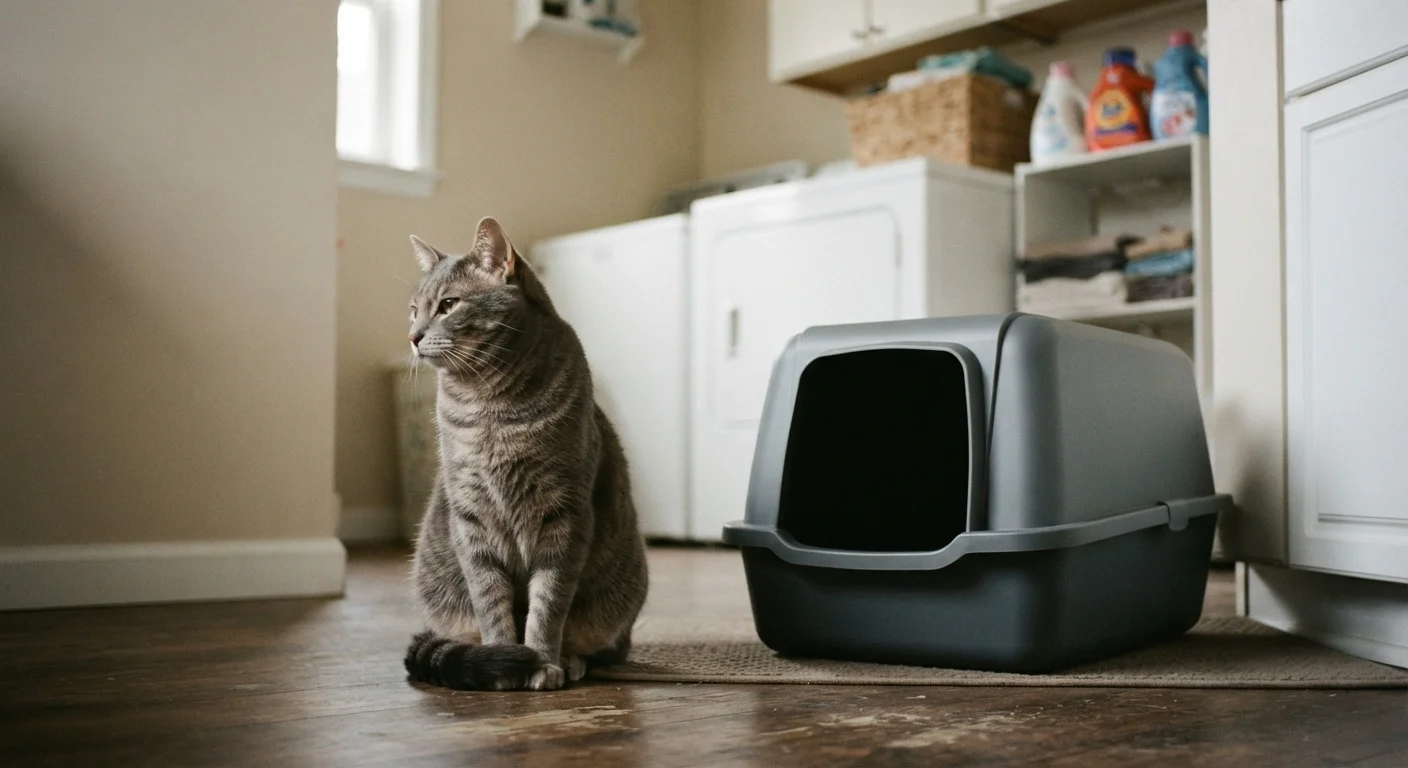
Why it happens: Owners often put boxes where they're least visible - near appliances, in busy hallways, or in rooms with sudden loud noises like washing machines.
Switching litter brands or textures abruptly.
Why it happens: Owners change litters for cost or scent reasons without realizing cats often develop strong preferences for a specific texture - usually fine-grained, unscented clumping litter.
Assuming a sudden change in box habits is behavioral rather than medical.
Why it happens: Because litter box problems are often discussed as behavioral issues, owners wait too long before consulting a veterinarian when a health condition is actually the cause.
Using a covered box without considering the cat's perspective.
Why it happens: Covered boxes appeal to owners because they contain odors and look tidier, but they can trap smells inside and make sensitive or anxious cats feel cornered.
When the Problem Is Medical, Not Behavioral
One of the most important distinctions any cat owner needs to make is whether a litter box change reflects a preference issue or a health problem. Conditions like urinary tract infections, feline idiopathic cystitis, kidney disease, diabetes, and arthritis can all change how, when, and where a cat eliminates.
A Blocked Urethra Is a Medical Emergency
If your male cat is straining in the litter box but producing no urine, do not wait to see if it resolves. A urethral blockage can become fatal within 24 to 48 hours. Contact an emergency veterinary clinic immediately. This is one litter box signal that cannot be addressed with environmental changes.
Signs that warrant a prompt vet call include straining to urinate, crying in or near the box, blood in the urine, urinating in very small amounts frequently, or going outside the box suddenly after years of reliable use. Male cats who strain without producing urine are experiencing a potential emergency - a blocked urethra can be fatal within hours.
~10%
Cats affected by feline idiopathic cystitis
Feline idiopathic cystitis is estimated to affect roughly 1 in 10 cats at some point, and stress is considered a significant contributing factor according to veterinary literature.
30-70%
Multi-cat households with inter-cat tension
Studies on multi-cat households suggest a substantial proportion experience some degree of resource-related conflict, including competition over litter box access.
Understanding what's normal for your cat requires knowing their baseline behavior. Our guide to common feline behaviors can help you read your cat's signals more accurately.
Household Changes That Quietly Disrupt Litter Habits
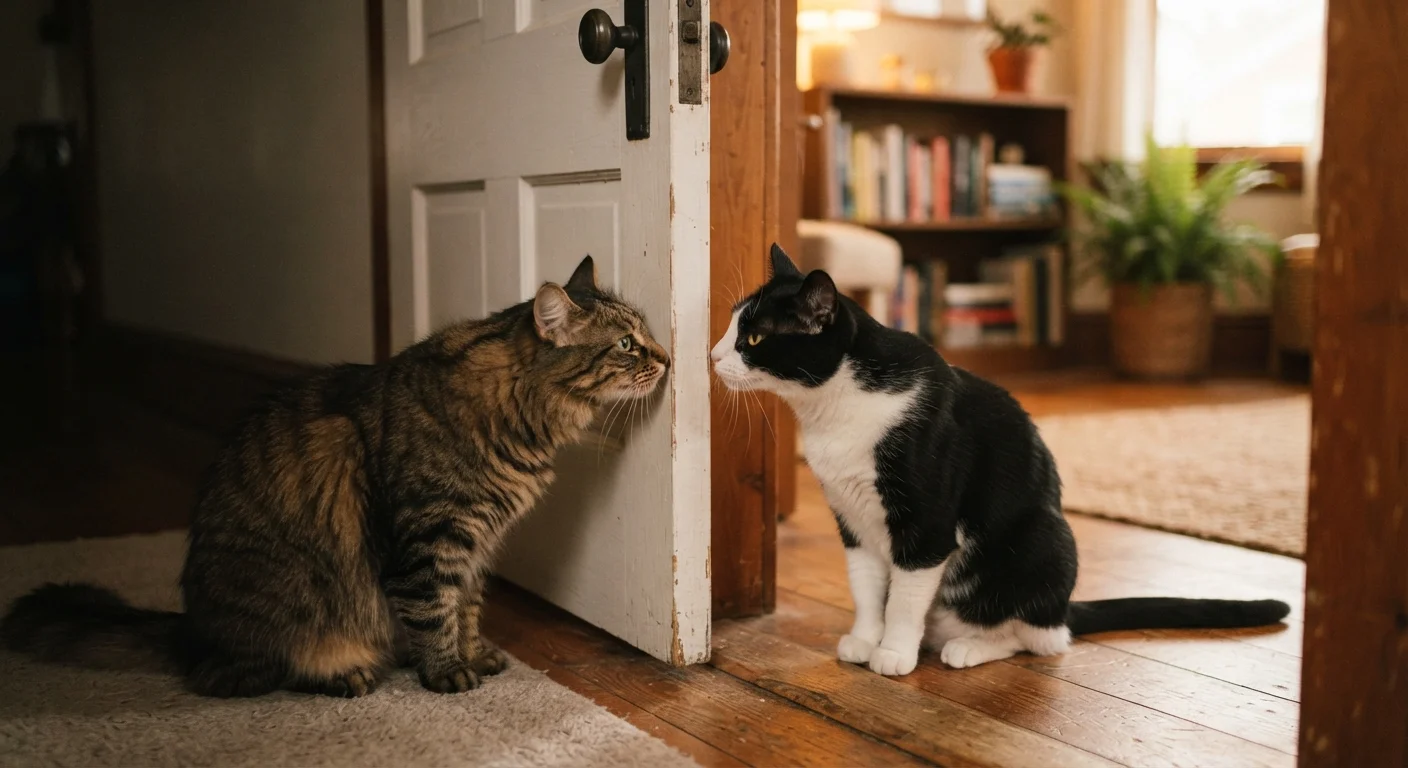
Cats are creatures of routine, and changes in their environment - a new pet, a move, construction noise, a shift in your schedule, or even a new brand of litter - can cause stress that manifests at the litter box. Multi-cat households carry additional risk: dominant cats sometimes guard boxes, leaving subordinate cats with no safe option.
Never Punish a Cat for Missing the Box
Scolding, startling, or physically directing a cat toward the litter box after the fact does not teach the behavior you want - cats do not connect the correction to the earlier act. Punishment increases anxiety, which typically makes elimination problems worse, not better. Focus on identifying and removing the underlying cause instead.
If you're planning to add a second cat, a careful introduction process dramatically reduces territorial stress that disrupts box use. And if you've recently read claims about stress-reduction products or litter additives online, it's worth checking whether those align with what veterinarians actually recommend - many popular pet wellness beliefs don't hold up to scrutiny.
Indoor cats in particular have limited outlets for stress, so their environment matters more than many owners realize. Understanding the trade-offs of an indoor lifestyle can help you make the environment as enriching as possible.