

Why Pet Health Myths Are So Persistent
Pet owners want the best for their animals, and the internet delivers an endless stream of wellness advice - much of it unverified. Myths spread because they often contain a grain of truth, sound intuitive, or get repeated by well-meaning friends. The problem is that acting on misinformation can delay real treatment or introduce unnecessary risk.
Veterinarians consistently field the same misconceptions across species and age groups. Understanding what the evidence actually shows - and what it doesn't - helps owners make smarter decisions. For a broader picture of what comprehensive animal care looks like, see what pet wellness actually means beyond annual vet visits.
Myth
A dog's dry or warm nose means it's sick.
Fact
Nose moisture varies throughout the day based on hydration, temperature, and activity - it is not a reliable health indicator.
This belief is deeply ingrained, but veterinarians consistently note that nose texture and temperature fluctuate naturally. A dog that just woke up from sleep or has been in a warm room will often have a warmer, drier nose. Illness is assessed through a combination of behavioral changes, appetite, energy levels, and clinical examination - not nose feel.
Myth
Raw diets are healthier because they're more "natural" for dogs and cats.
Fact
Raw diets carry documented risks including bacterial contamination and nutritional imbalance, and are not proven superior to complete commercial foods.
The American Veterinary Medical Association and the Centers for Disease Control and Prevention have both raised concerns about raw meat diets due to the risk of pathogens such as Salmonella and Listeria, which can affect both pets and the humans handling their food. Ancestral eating patterns also don't directly translate to modern domestic animals' needs. A nutritionally complete, commercially prepared diet can fully support a healthy pet. If you're weighing raw versus other options, dry food, wet food, and raw diets explained offers a balanced overview.
Myth
Dental chews keep a pet's teeth clean enough - brushing isn't necessary.
Fact
Dental chews can reduce plaque and tartar modestly but are not a substitute for brushing or professional dental cleanings.
Products carrying the Veterinary Oral Health Council (VOHC) seal have demonstrated measurable plaque or tartar reduction in controlled studies. However, even accepted chews don't reach all tooth surfaces or address subgingival (below the gumline) disease. Daily toothbrushing with pet-safe toothpaste remains the most effective at-home method, and professional cleanings under anesthesia are the standard for treating established disease. Many owners are surprised to learn that dental disease affects most dogs by age three.
Myth
Indoor pets don't need parasite prevention or annual vet visits.
Fact
Indoor pets are still exposed to parasites through windows, other animals, and owner contact, and annual exams catch conditions that aren't visible at home.
Fleas can enter a home on clothing or through small gaps. Heartworm is transmitted by mosquitoes, which can and do get indoors. Intestinal parasites can be tracked in on shoes. Beyond parasite risk, annual wellness visits allow veterinarians to assess weight, dental health, organ function through bloodwork, and behavioral changes that owners often normalize over time. A healthy-appearing pet can have developing conditions that are only detectable through examination. For a walkthrough of what these visits actually involve, see what happens at your dog's annual vet visit.
Myth
Grain-free diets are always healthier for pets.
Fact
Grain-free diets have been associated with a form of heart disease in dogs, and grains are not inherently harmful for most pets.
The U.S. Food and Drug Administration investigated a potential link between grain-free diets high in legumes and dilated cardiomyopathy (DCM) in dogs. While the research is ongoing, the association has prompted many veterinary cardiologists to advise caution. Grains such as rice, oats, and barley are digestible energy sources for most pets and are not allergens for the majority of animals. True food allergies in pets most commonly involve proteins, not grains. The evidence on grain-free vs. grain-inclusive diets is worth reviewing before making a switch.
Myth
A pet eating grass is always trying to make itself vomit because it's sick.
Fact
Grass eating is common in healthy animals and is not reliably linked to nausea or illness.
Studies observing dog behavior have found that the majority of grass-eating episodes are not preceded by signs of illness and do not result in vomiting. Possible explanations include fiber seeking, boredom, or simply palatability. While occasional grass eating is generally not a concern, a sudden increase alongside other symptoms - lethargy, loss of appetite, or repeated vomiting - warrants a veterinary evaluation. Behavioral enrichment also plays a role in some repetitive or compulsive eating behaviors. See how mental stimulation supports overall pet health for more on addressing boredom-driven behaviors.
Nutrition Myths That Deserve Closer Scrutiny
Feeding choices generate some of the most heated debates in pet ownership, often driven by marketing language rather than nutritional science. Terms like "natural," "ancestral," or "grain-free" carry strong associations but limited regulatory definitions.
~90%
Dogs with dental disease by age three
Veterinary studies consistently estimate that the majority of dogs show signs of periodontal disease by their third year, often without visible symptoms owners would notice.
~75%
Pet owners who believe grain-free means healthier
Surveys of pet owner attitudes have repeatedly found that many associate "grain-free" labeling with improved nutrition, despite limited clinical evidence supporting this assumption.
1 in 3
Pets overweight or obese in the U.S.
According to the Association for Pet Obesity Prevention, excess weight is one of the most common preventable health conditions seen in veterinary practice.
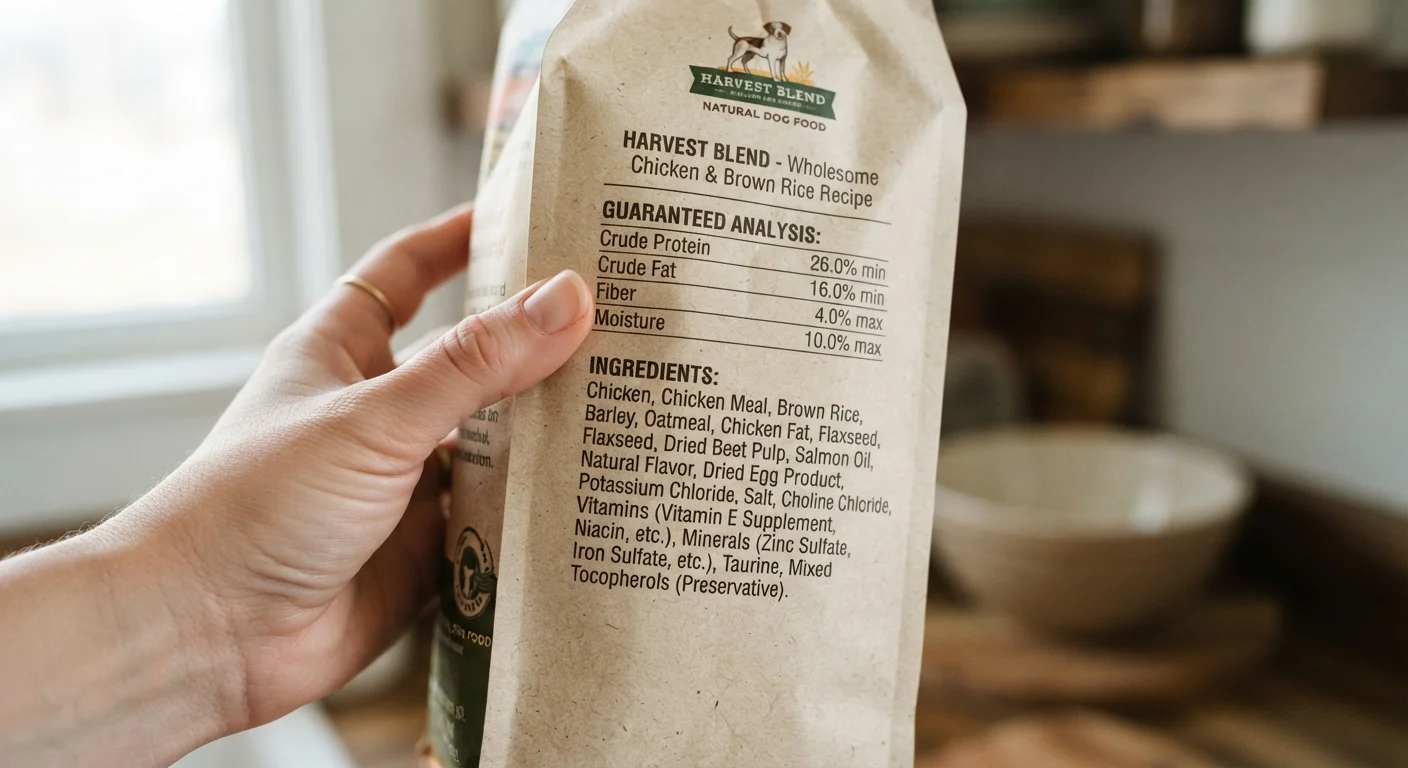
Before changing your pet's diet based on a trend, it's worth understanding how to evaluate what's actually in the food. Our guide to reading a pet food label without getting lost in the fine print explains AAFCO statements, guaranteed analysis, and ingredient lists in plain terms. For a deeper look at the grain debate specifically, see grain-free vs. grain-inclusive diets.
Preventive Care Myths That Put Pets at Risk
Skipping or delaying routine care is often justified by myths about what healthy pets actually need. These misconceptions can have real consequences, particularly for dental health, parasite load, and early disease detection.
Skipping Preventive Care Has Real Consequences
Waiting until a pet shows obvious symptoms before scheduling a vet visit is one of the most common - and costly - mistakes in pet ownership. Many serious conditions, including kidney disease, dental disease, and certain cancers, show few outward signs in early stages. Annual exams exist precisely to catch what owners cannot see. Routine care is not optional for healthy pets - it is part of what keeps them healthy.
Dental health is one of the most underestimated areas of pet wellness. Most dogs show signs of periodontal disease by age three, yet many owners assume chews or diet alone are sufficient. For a clear breakdown of what plaque buildup actually does, visit dog dental health is often overlooked - here's what that costs them.
Preventive and reactive care serve distinct roles. Understanding both helps owners plan ahead rather than react in crisis. Preventive care vs. reactive care explains how the two approaches work together.