
Why Dog Nutrition Feels So Complicated
Walk down any pet store aisle and the sheer volume of choices - raw, freeze-dried, grain-free, limited ingredient, fresh - can feel overwhelming. Marketing language doesn't help: words like "ancestral," "holistic," and "biologically appropriate" are largely unregulated and tell you little about actual nutritional value.
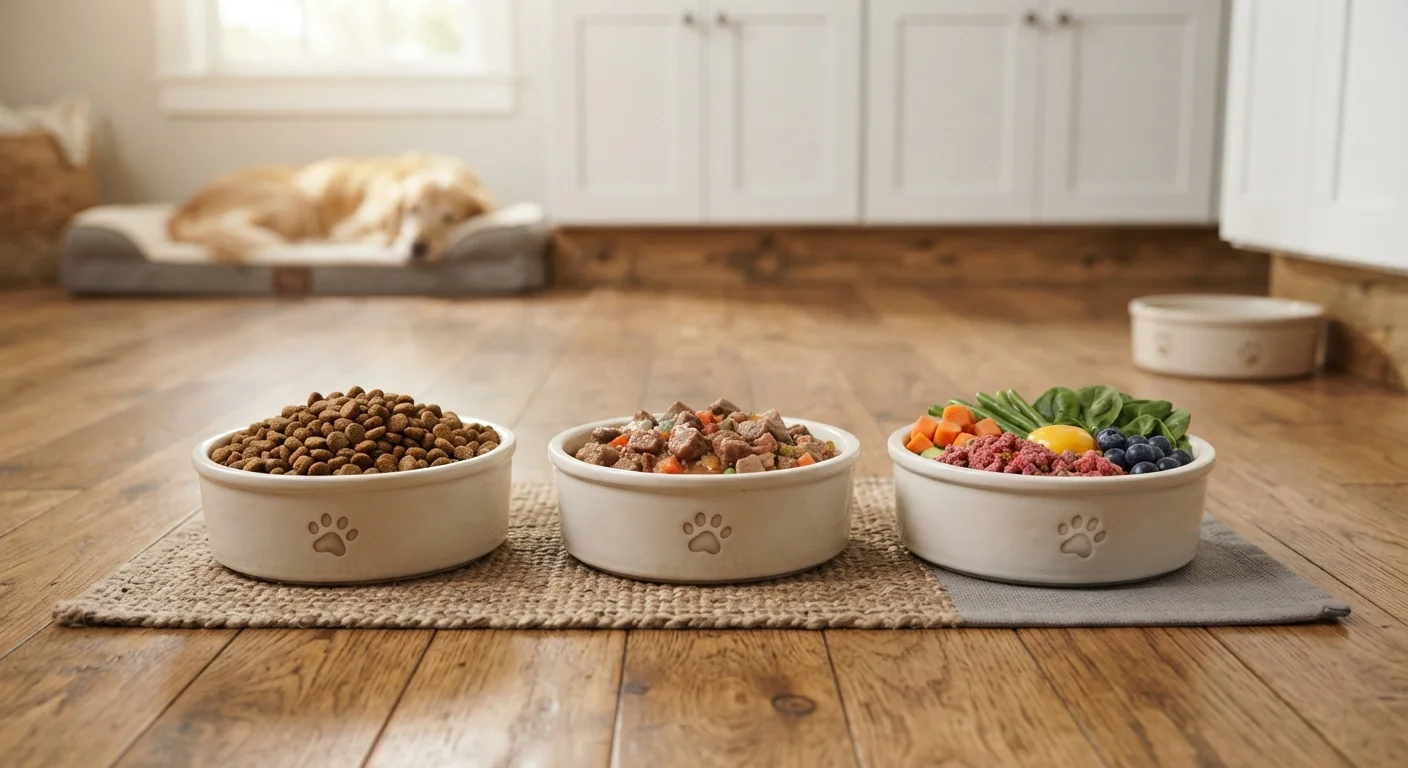
The good news is that the core question is straightforward: does this diet reliably meet my dog's nutritional needs, and can I feed it safely and consistently? Every format - dry, wet, or raw - can theoretically answer yes or no depending on how it's made and how it's used. This guide breaks down what each approach actually offers. For a broader look at how pet food labels communicate nutritional content, see reading a pet food label.
Dry Food (Kibble): The Workhorse Option
Dry extruded kibble is the most widely fed dog food format in the United States, and for practical reasons. It stores easily at room temperature, is relatively cost-effective per serving, and most formulas are nutritionally complete - meaning they meet the AAFCO nutrient profiles for a dog's life stage.
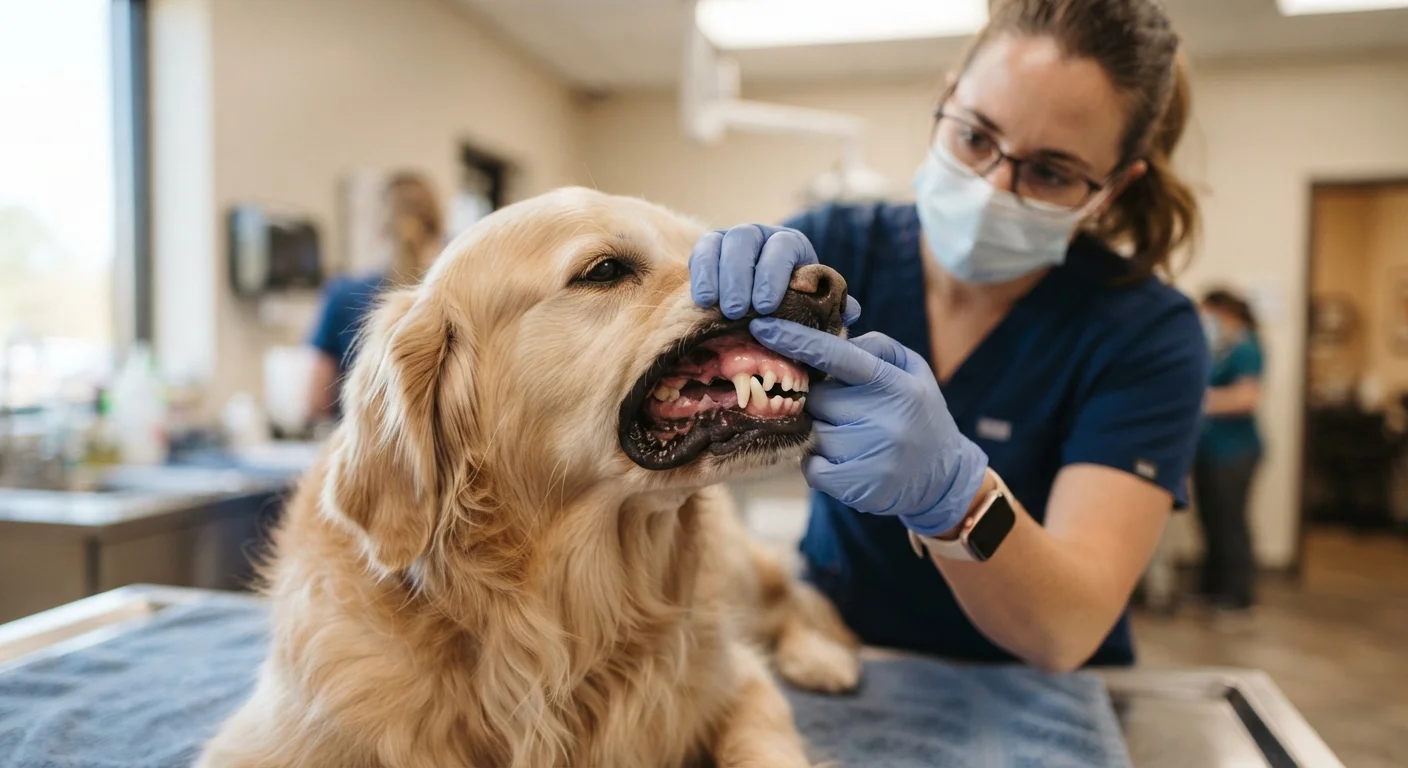
From a dental standpoint, the mechanical action of chewing dry kibble provides some plaque reduction, though it's frequently overstated. Kibble alone is not a substitute for regular dental care. (Dog dental health is often overlooked - here's what the science actually supports.)
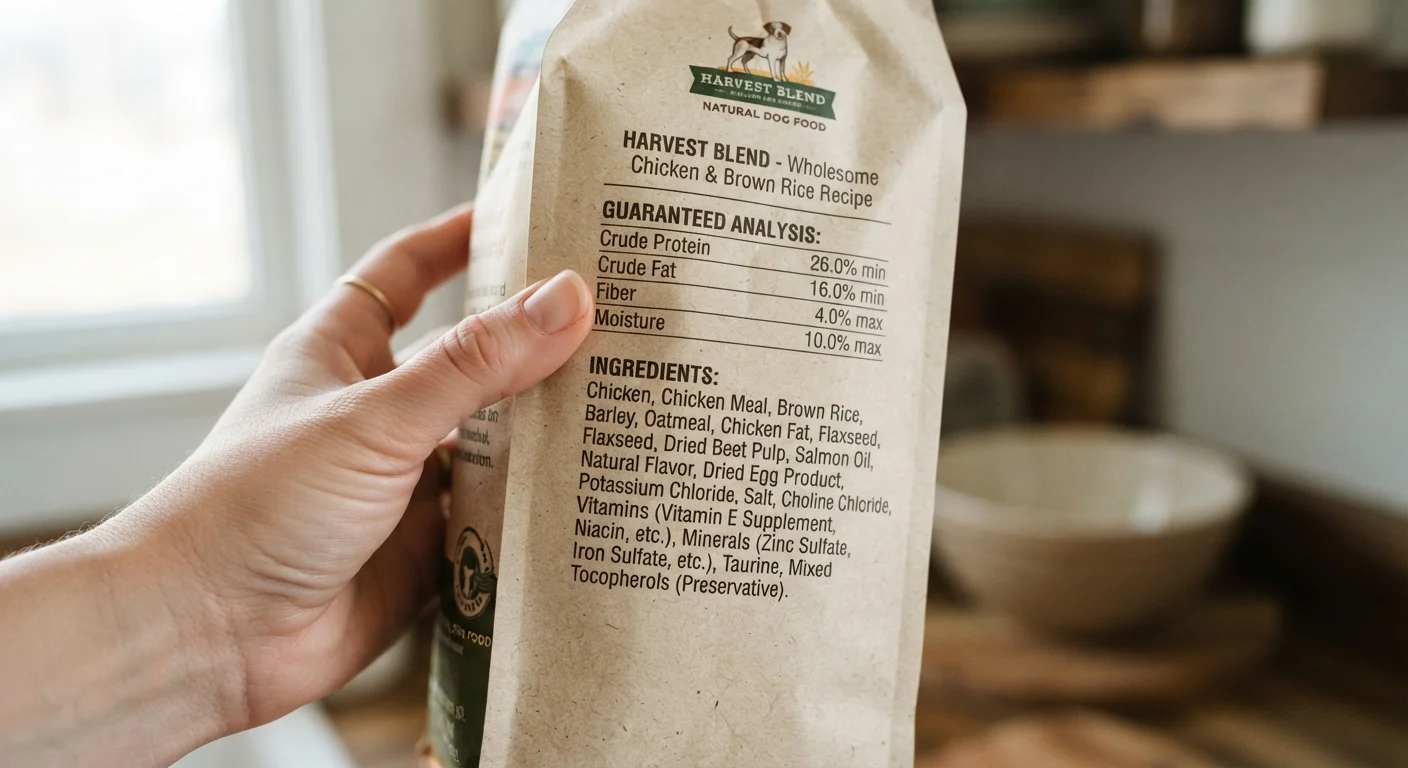
The main limitation: kibble quality varies considerably. Processing at high heat can degrade certain heat-sensitive nutrients, and some formulas use low-quality protein sources or excessive filler carbohydrates. Checking for an AAFCO "complete and balanced" statement and identifying a named protein (chicken, beef, salmon) in the first ingredient position are basic quality signals worth applying.
Check the AAFCO Statement First
Before evaluating any other aspect of a dog food, look for the AAFCO nutritional adequacy statement on the label. It tells you whether the food is formulated to meet a life-stage standard or has been tested through feeding trials. "Complete and balanced" for your dog's life stage (puppy, adult, all life stages) is the baseline quality signal - without it, the diet may be intended only as a supplement or treat.
Wet Food: More Than Just a Treat
Canned or pouched wet food contains roughly 70-80% moisture, compared to kibble's 10% or less. That hydration benefit is clinically meaningful for dogs prone to urinary issues, kidney disease, or those that simply don't drink enough water on their own. Senior dogs and dogs with missing teeth or jaw pain also tend to manage wet food more comfortably.
Palatability is another advantage - the stronger aroma and softer texture appeal to picky eaters and dogs recovering from illness. Most canned formulas are also nutritionally complete when labeled as such.
The trade-offs are cost and storage. Wet food is typically more expensive per calorie than dry, and opened cans must be refrigerated and used within a day or two. For some dog owners, combining wet and dry food provides a practical middle ground that addresses hydration without dramatically increasing food costs.
| Dry Food (Kibble) | Wet Food | Raw Diet | |
|---|---|---|---|
| Convenience | High - stores easily, no prep | Moderate - refrigerate after opening | Low - significant prep or sourcing required |
| Cost per serving | Generally lowest | Moderate to high | High, especially with professional formulation |
| Moisture content | ~10% - low hydration support | ~70-80% - good hydration support | Varies - moderate to high |
| Food safety risk | Low | Low | Higher - pathogen exposure possible |
| Nutritional completeness | Well-established when AAFCO-labeled | Well-established when AAFCO-labeled | Highly variable; home diets often deficient |
| Palatability | Moderate | High | Generally high |
| Veterinary consensus | Widely accepted | Widely accepted | Caution advised by most major organizations |
Raw Diets: Real Benefits, Real Risks
Raw feeding - whether commercially prepared or home-assembled - typically includes raw muscle meat, bones, organ meat, and sometimes vegetables or eggs. Proponents argue it more closely mirrors what dogs' wild ancestors ate. The evidence on meaningful health outcomes, however, remains limited and mixed.
What is well-established is the food-safety risk. Raw meat regularly harbors Salmonella, Listeria, and other pathogens - posing risk not just to the dog but to people in the household, particularly young children, the elderly, and immunocompromised individuals. The AVMA and most major veterinary organizations discourage raw feeding for this reason.
Nutritional imbalance is a second documented concern. Home-prepared raw diets, in particular, frequently fail to meet AAFCO standards without expert formulation. A board-certified veterinary nutritionist can create a properly balanced raw recipe, but this requires ongoing commitment and cost.
For owners curious about the claims surrounding raw and other trendy diets, persistent pet wellness myths is worth reading alongside this guide.
Raw Diets and Household Safety
Raw meat-based diets can introduce bacterial pathogens into your home environment - on feeding bowls, prep surfaces, and your dog's muzzle after eating. Households with young children, pregnant individuals, or immunocompromised members face elevated risk. If you choose to feed raw, strict hygiene protocols are essential, and consulting your veterinarian beforehand is strongly advised.
How to Actually Choose
No diet format is automatically superior. The right choice depends on your dog's age and life stage, any diagnosed health conditions, your household's budget and time, and your ability to store and handle the food safely. A puppy has different requirements than a senior dog; a dog with kidney disease may benefit from specific nutrient ratios that require veterinary direction.
If you're bringing home a dog for the first time, starting with a complete-and-balanced kibble or wet food appropriate for your dog's life stage is a reasonable, low-risk foundation. From there, your veterinarian can flag whether a specific health concern warrants a different approach.
It's also worth separating ingredient-level concerns - like grain inclusion - from format decisions. The grain-free versus grain-inclusive debate is a separate question from whether to feed dry, wet, or raw, and conflating them adds unnecessary confusion.
This article is for general informational purposes only and does not constitute veterinary advice. Always consult a licensed veterinarian before making significant changes to your dog's diet.