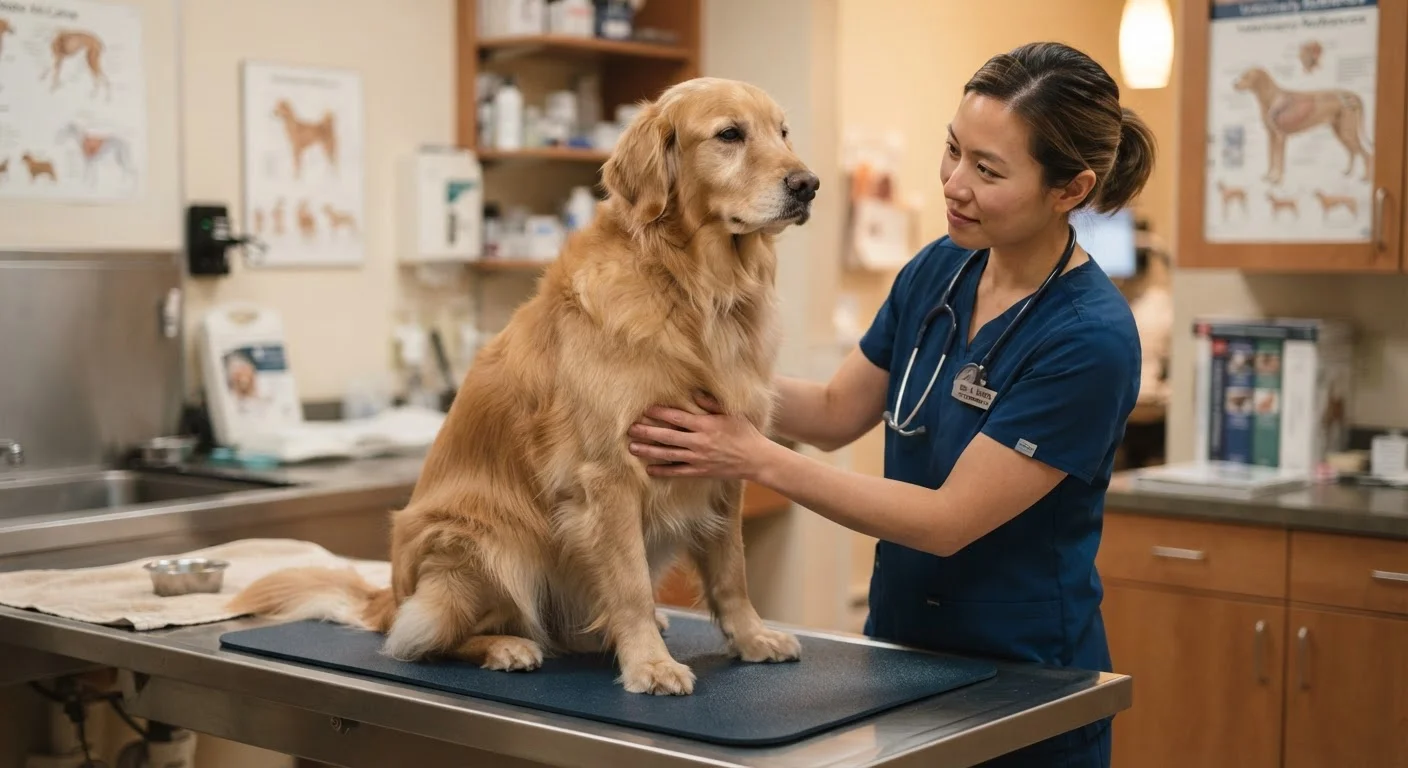


When Does a Dog Become a Senior?
The word "senior" isn't a fixed milestone - it depends on your dog's size and breed. Smaller breeds often show aging signs around age 10 to 12, while large and giant breeds may be considered senior as early as age 6 or 7. Your veterinarian is the best guide for pinpointing where your dog falls on that spectrum.
What's consistent across breeds is that aging dogs experience a gradual shift in their physical and cognitive needs. Joints stiffen, metabolism slows, senses dull, and the immune system becomes less resilient. Recognizing these changes early - and adjusting care proactively - is the most effective way to maintain quality of life. This checklist is designed to help you audit your current routine and identify the adjustments that matter most.
For context on how senior care compares to the early months of ownership, see our first-time dog owner guide - the needs are strikingly different at each life stage.
Veterinary Care
Nutrition and Weight
Exercise and Mobility
Home Modifications
Dental and Sensory Health
Cognitive and Behavioral Wellbeing
Tools and Resources That Help
Before working through the checklist, it's helpful to have the right resources in place. The items below support the most common senior dog care adjustments.
Orthopedic Dog Bed
Provides joint pressure relief for dogs with arthritis or general stiffness associated with aging.
Non-Slip Floor Mats
Reduce fall risk on smooth surfaces, which is especially important for dogs with reduced mobility or muscle weakness.
Pet Ramp or Steps
Allow older dogs to access elevated surfaces without jumping, protecting hips, knees, and spine.
Raised Food and Water Bowls
Reduce neck and back strain during mealtimes for dogs with arthritis or spine stiffness.
Health Journal or App
Track appetite, behavior changes, mobility, and elimination patterns to bring accurate observations to vet appointments.
Veterinary Scale (or regular weigh-ins at the clinic)
Monitor weight trends over time to catch gain or loss before it becomes a health issue.
Nutrition and Weight: Getting the Balance Right
Weight management becomes more complex in older dogs. Many seniors are less active and prone to weight gain, which places added stress on aging joints. Others lose muscle mass or appetite - a condition known as sarcopenia - which can cause unhealthy weight loss even with regular feeding.
Weight changes in pets can be subtle and easy to overlook until they've already affected your dog's mobility or organ health. A body condition score assessment from your vet - done at least twice yearly - is one of the most practical ways to stay ahead of this.
For a deeper look at feeding approaches, our dog nutrition breakdown covers how wet food, dry kibble, and other formats compare - a useful reference when considering whether your senior dog's current diet still serves them well.
Don't Switch Diets Without Veterinary Guidance
Senior-labeled dog foods vary widely in nutrient profiles, and not every formula is appropriate for every aging dog. A dog with kidney disease, for example, requires very different nutrition than a healthy senior managing weight. Always consult your vet before making a significant diet change, especially if your dog has a diagnosed condition.
Vet Care and Monitoring
Routine veterinary care is the foundation of senior dog health. Annual visits, which were sufficient during your dog's younger years, generally aren't enough once aging begins. Twice-yearly wellness exams allow your vet to catch emerging conditions - arthritis, kidney disease, thyroid changes, dental disease - before they become harder to manage.
Our detailed walkthrough of what actually happens at a dog's vet visit can help you prepare for those appointments and understand what your vet is evaluating. For a broader view of pet wellness priorities, the Pet Wellness hub covers nutrition, preventive care, and health tracking across every life stage.
Sudden Changes Always Warrant a Vet Call
Gradual changes in an aging dog are expected - sudden ones are not. Rapid weight loss, acute limping, significant changes in thirst or urination, or abrupt behavioral shifts should prompt a veterinary call rather than a wait-and-see approach. Many serious conditions in senior dogs are far more manageable when caught early.