
Why Fabric Choice Is a Foundation Decision
Most of us pick up a shirt or a pair of pants based on color, cut, or price - and fabric barely enters the picture. But fabric is what determines whether that piece looks great after fifty washes or falls apart after five. If you're working toward a wardrobe that carries you through any day, understanding fabric behavior is one of the highest-value moves you can make.
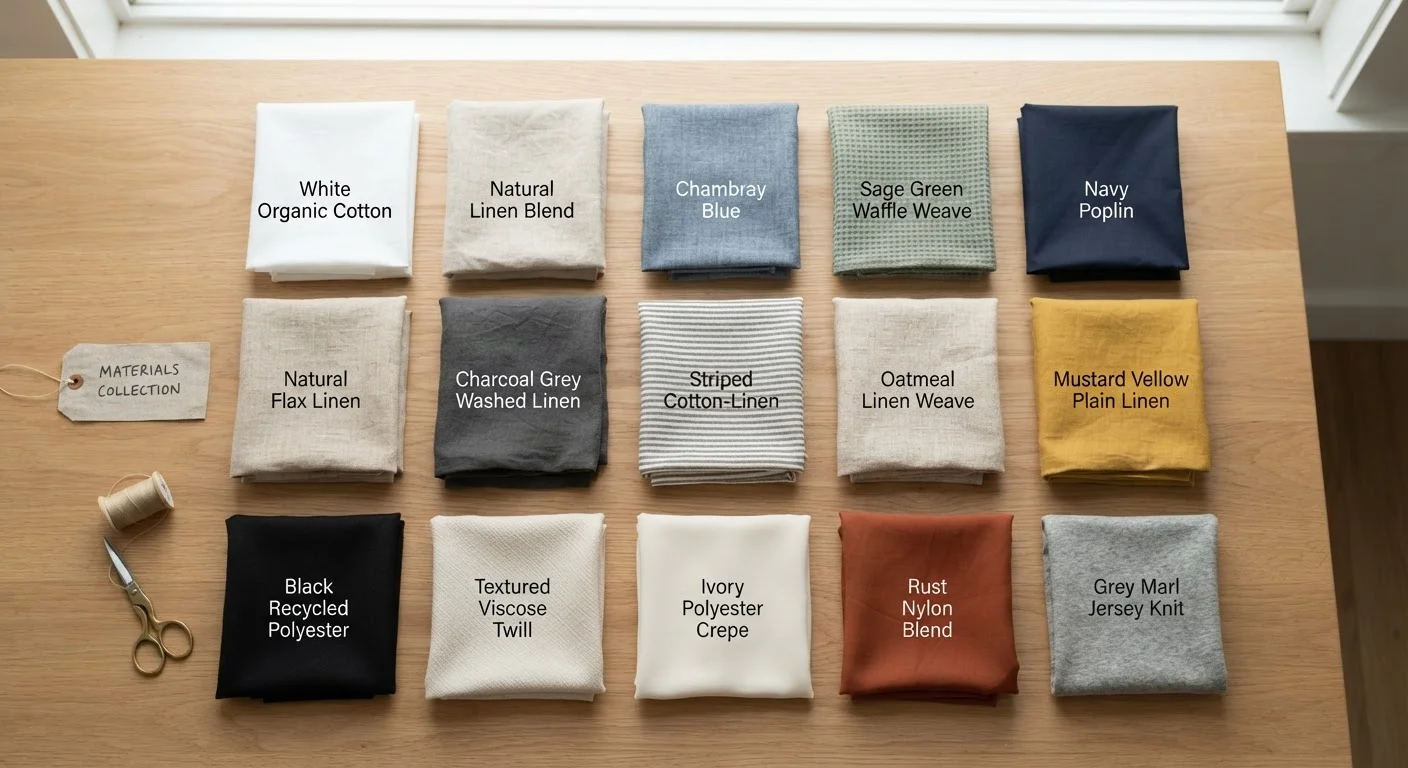
The three fabric families most Americans encounter daily are natural fibers (cotton, linen), synthetic fibers (polyester, nylon, spandex), and blends that combine both. Each behaves differently when it comes to comfort, durability, care, and cost. Let's break them down honestly.
Cotton: The Reliable Everyday Staple
Cotton is the most widely worn fabric in American closets - and for good reason. It's soft against skin, breathable across a range of temperatures, and relatively forgiving to wash. A quality cotton tee or cotton chino can serve you from a casual errand run to a relaxed Friday at the office.
That said, cotton has real weaknesses. It shrinks when exposed to high heat, fades with repeated washing if care instructions are ignored, and holds moisture longer than synthetic options - making it less ideal for intense physical activity. The fiber count and weave matter enormously: a dense, tightly woven cotton will outlast a loose, thin one by years.
Look for These Cotton Quality Markers
For longevity, look for combed or ring-spun cotton on garment labels - these treatments produce a stronger, smoother fiber that resists pilling and holds its shape better over time. Heavier gram weights (like 180g/m² or above for tees) also tend to outlast lighter, thinner options. See our guide to caring for everyday basics for washing tips that protect your cotton pieces.
For longevity, look for combed or ring-spun cotton on garment labels - these treatments produce a stronger, smoother fiber that resists pilling and holds its shape better over time. See our guide to caring for everyday basics for washing tips that protect your cotton pieces.
Linen: Durable, Breathable, and Worth the Wrinkles
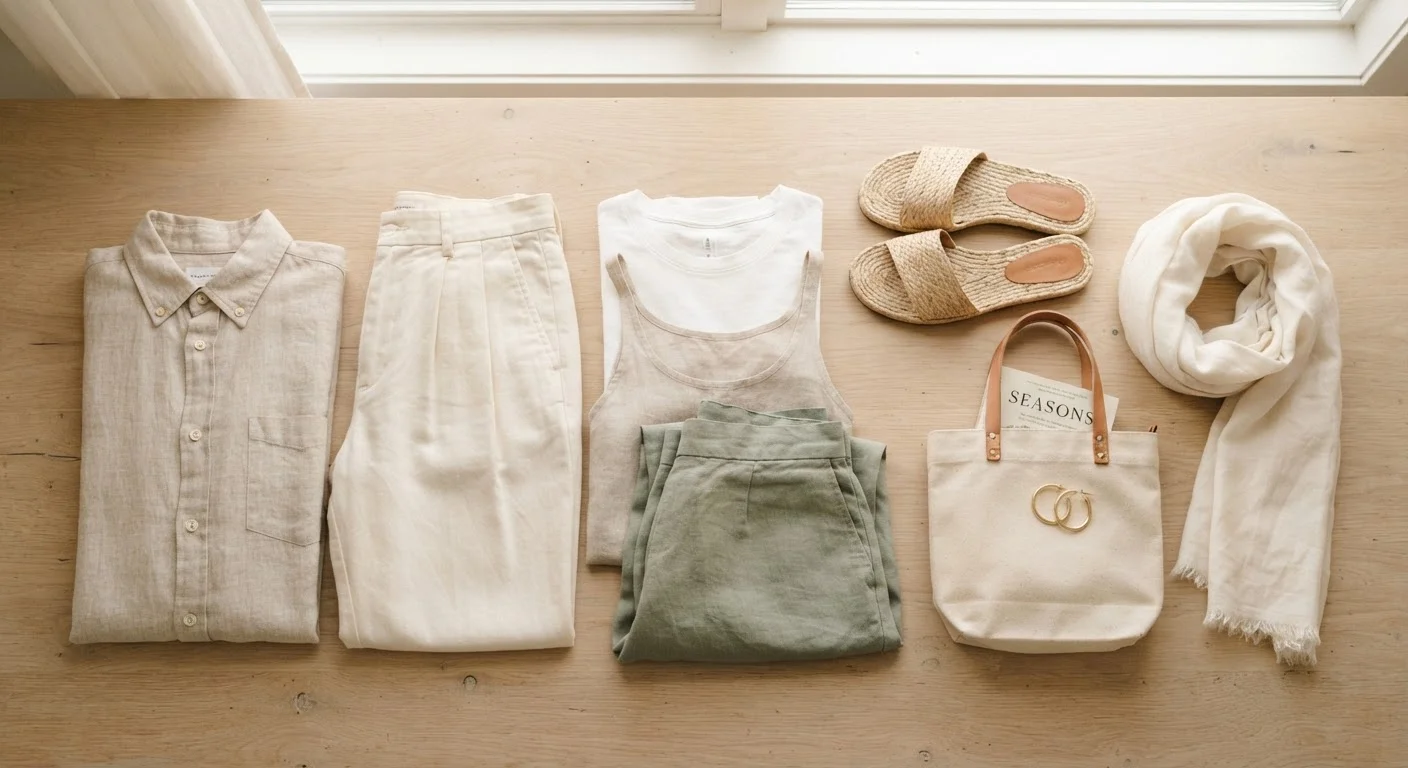
Linen is made from flax plant fibers and is one of the oldest textiles in human history - and it's earned its staying power. Linen is stronger than cotton, becomes softer with each wash rather than degrading, and excels at keeping you cool when temperatures climb. If you're building a summer wardrobe, linen shirts, trousers, and dresses offer genuine longevity alongside serious breathability.
The tradeoffs are real, though. Linen wrinkles aggressively - a linen shirt will look rumpled within an hour of wear. It also tends to carry a higher price point than comparable cotton garments. For those who don't mind the relaxed, lived-in look (which many find charming), linen rewards you with pieces that genuinely improve over time. Curious how it stacks up specifically in warm weather? Check out linen vs. cotton for summer for a deeper comparison.
Synthetics: Performance Meets Practicality
Polyester, nylon, and spandex blends are engineered fabrics - and that shows in their performance profile. Synthetics resist wrinkles, hold dye color exceptionally well, dry quickly, and generally cost less to produce than natural fibers. For travelers, gym-goers, or anyone who hates ironing, a well-made synthetic or poly-blend garment is genuinely practical.
The downsides are comfort-related. Synthetic fibers trap heat and don't wick moisture as effectively as natural fabrics in non-athletic contexts. They can also develop odor over time if not washed properly. Higher-quality synthetic weaves have improved dramatically, but the tradeoff between breathability and durability remains real.
| Cotton | Linen | Synthetic (Polyester/Nylon) | |
|---|---|---|---|
| Breathability | High | Very high | Low to moderate |
| Durability | Moderate | High (improves with age) | High |
| Wrinkle resistance | Moderate | Low (wrinkles easily) | High |
| Moisture wicking | Moderate | Moderate | High (in athletic weaves) |
| Ease of care | Easy (watch heat) | Moderate | Very easy |
| Typical price point | Affordable | Moderate to high | Affordable to moderate |
| Best season | Year-round | Spring/Summer | Year-round |
Blended fabrics - say, a cotton-polyester mix - often hit the sweet spot for everyday wear: some breathability, wrinkle resistance, and a lower price tag. Understanding how fit and fabric work together can help you prioritize which tradeoffs matter most for your lifestyle.
Matching Fabric to Your Actual Life
The most durable fabric isn't always the right fabric - it's the one that fits your daily reality. If you run hot, live in a humid climate, and mostly wear casual clothes, prioritizing breathable cotton and linen basics makes sense. If your schedule involves a lot of travel, back-to-back meetings, or physical activity, synthetic blends may serve you better.
Think about your wardrobe's dress code range too. Linen and cotton both transition well from casual to smart-casual; synthetics can look polished in the right cut but may read as athletic or casual in certain contexts. A thoughtful mix of all three fabric families - chosen intentionally rather than by chance - tends to produce a versatile, practical everyday wardrobe that holds its value over time.