
How Each Fabric Actually Works in the Heat
Both linen and cotton are plant-based natural fibers, but their physical structures behave differently when temperatures rise. Understanding those differences helps you dress smarter, not just cooler-looking.
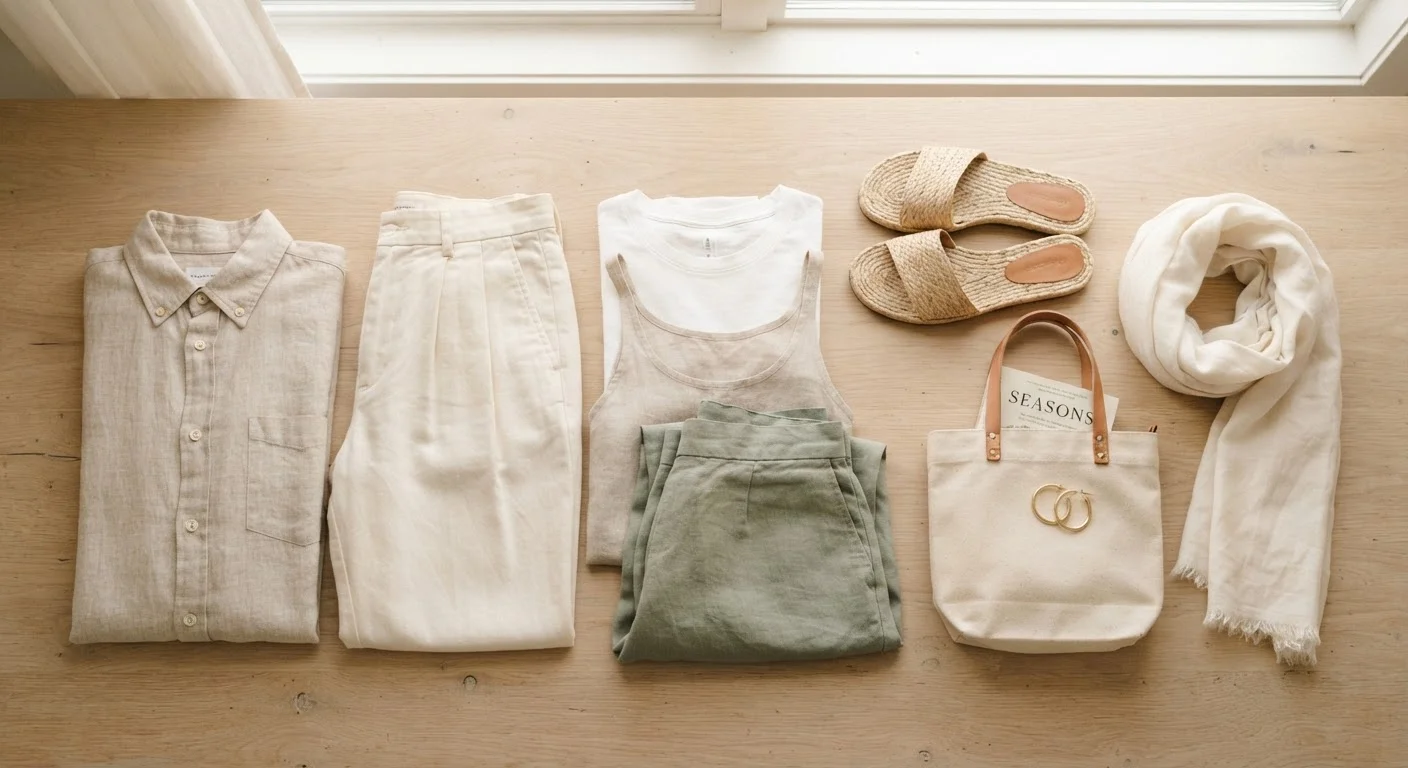
Linen is made from the flax plant and has a hollow, loosely arranged fiber. That structure allows air to circulate freely next to your skin. Linen also absorbs moisture quickly and releases it back into the air fast - meaning sweat doesn't sit on your body. It's why linen has been a summer staple in warm climates for centuries.
Cotton comes from the cotton plant's soft bolls and has a denser fiber construction. It absorbs moisture well - sometimes better than linen by volume - but holds onto it longer before releasing it. In a dry-heat environment, that can feel clammy. In humid conditions, though, cotton's slower moisture release can actually feel more comfortable because it doesn't cling immediately to skin the way some fabrics do.
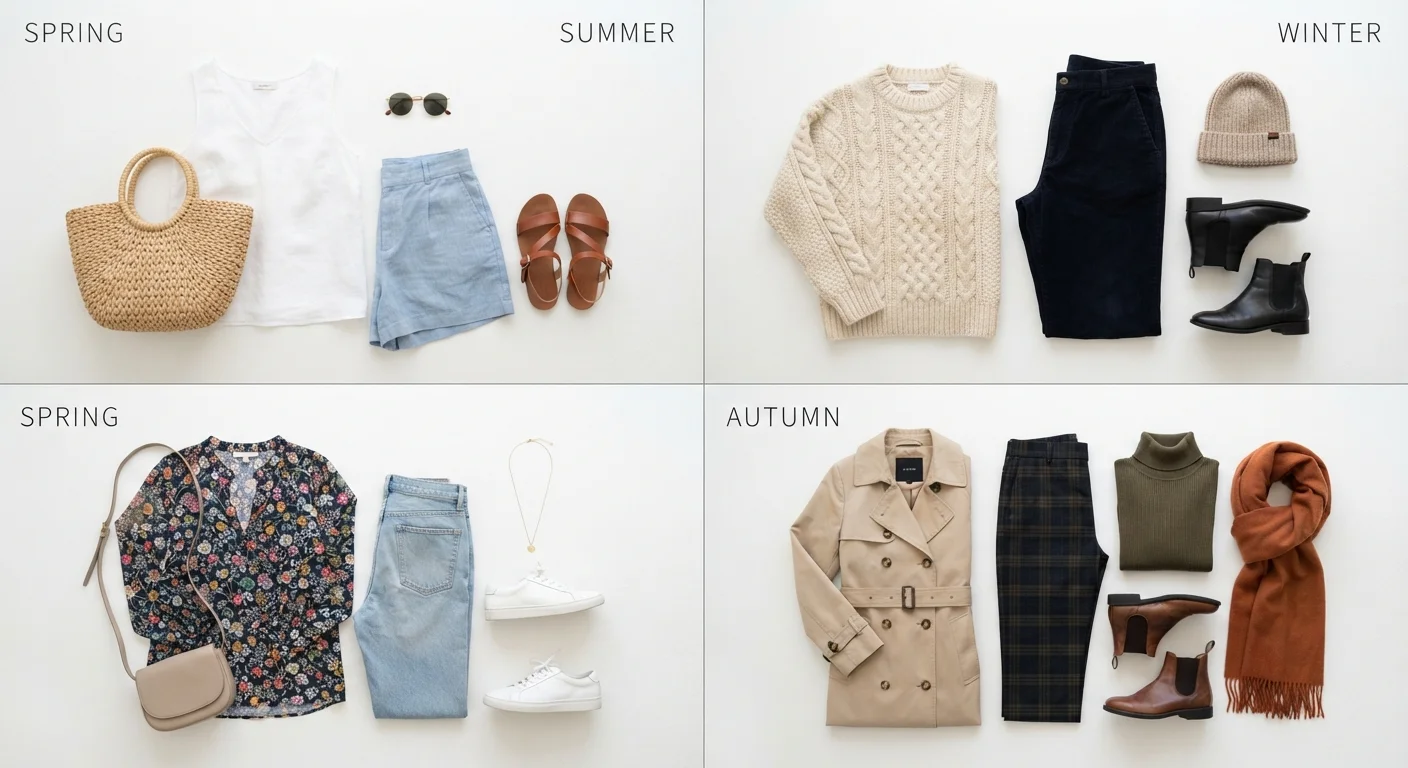
The short version: linen pulls heat and moisture away from your body more efficiently. Cotton keeps you comfortable across a wider range of conditions but doesn't cool quite as aggressively. As part of a broader approach to year-round seasonal dressing, understanding this difference helps you make smarter fabric picks all summer long.
| Criterion | Linen | Cotton |
|---|---|---|
| Breathability | Excellent - open fiber allows max airflow | Good - varies by weave and weight |
| Moisture wicking | Fast release, dries quickly | High absorption, slower to release |
| Texture | Slightly textured, softens over time | Softer from the start |
| Wrinkle resistance | Wrinkles easily | Holds shape better |
| Ease of care | Needs gentle washing, low heat | Machine washable, low-maintenance |
| Best climate | Dry, intense heat | Humid or varied conditions |
| Durability | Very durable, gets better with age | Durable, consistent over time |
Texture, Comfort, and the Wrinkle Question
Beyond temperature regulation, how a fabric feels on your skin matters - especially when you're hot and already a little uncomfortable.
Linen has a natural, slightly rough texture that softens with repeated washing but never quite reaches the silky smoothness of cotton. Some people love the tactile quality; others find it scratchy, particularly in cheaper weaves. If you have sensitive skin, it's worth trying linen garments before committing to a wardrobe full of them.
Cotton, especially in finer weaves like jersey or poplin, tends to feel softer right away. It drapes more closely to the body, which can work against you in extreme heat (more contact = more trapped warmth) but feels gentler on skin overall.
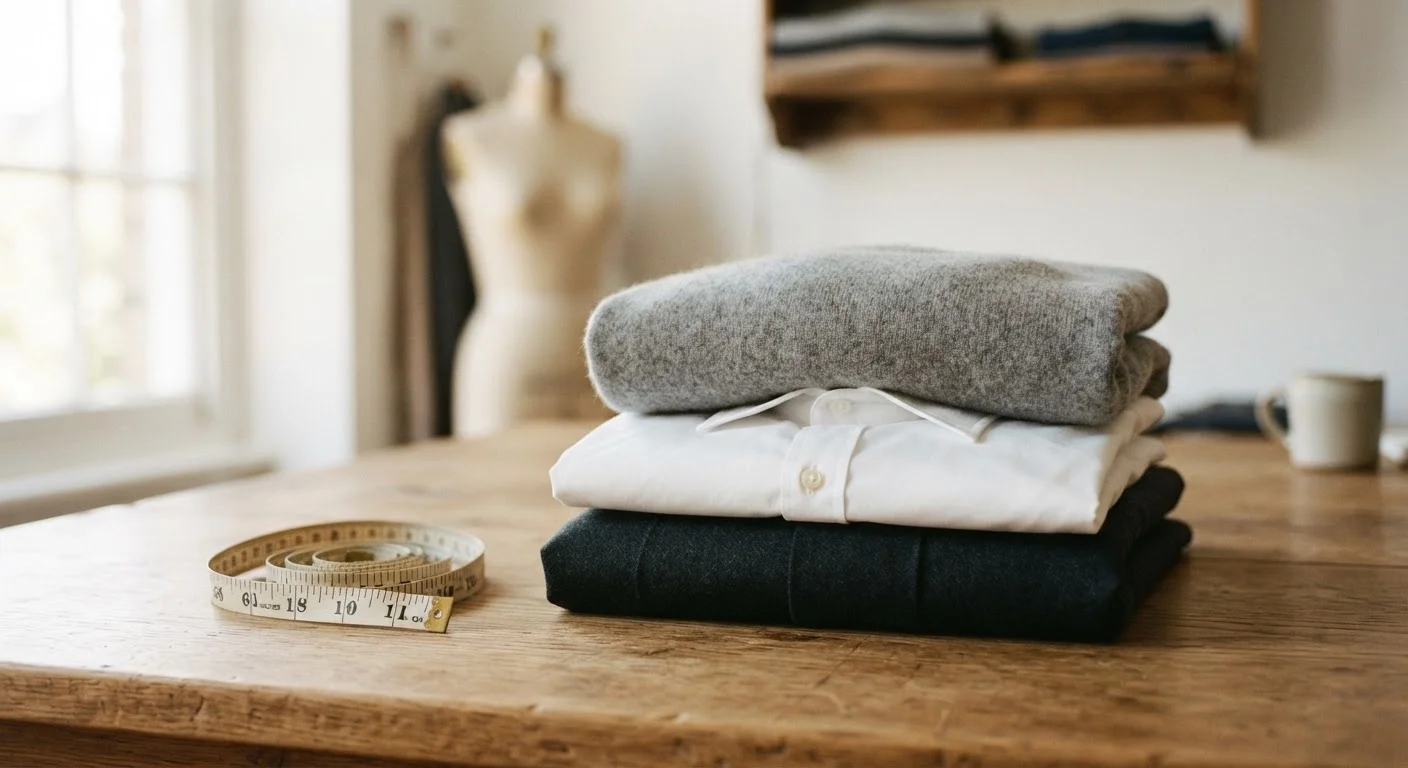
Then there's the wrinkle factor. Linen wrinkles - a lot. This is simply a property of the flax fiber, and no amount of careful folding fully prevents it. Many people embrace linen's relaxed, slightly rumpled aesthetic as part of its charm. But if your day requires a crisper, more polished look, cotton is far more cooperative. For a deeper look at how fabric choices interact with overall outfit success, check out our guide on fit vs. fabric when building a wardrobe.
~25%
More moisture released by linen vs. cotton
Textile science research generally estimates linen releases absorbed moisture roughly 25% faster than cotton under similar conditions.
8,000+ years
Linen's history as a textile
Archaeological evidence suggests linen production dates back over 8,000 years, making it one of the oldest known textiles in human history.
35%
Share of global apparel fiber use attributed to cotton
According to textile industry estimates, cotton accounts for roughly a third of all fiber used in clothing worldwide, reflecting its dominant versatility.
Care, Durability, and Practical Everyday Use
A fabric that keeps you cool but falls apart after three washes isn't a great investment. Both linen and cotton are durable natural fibers, but they have different care needs.
Cotton is generally easier to care for. Most cotton garments are machine washable on a standard cycle, hold their color reasonably well, and don't require special drying treatment. They're a solid choice for high-wear summer pieces like everyday T-shirts, shorts, and casual dresses.
Linen is durable - actually stronger wet than dry - but it benefits from gentler handling. Cold or warm water washes, low-heat drying, and occasional ironing (or accepting the wrinkles) help linen pieces last longer and stay looking good. Over time, well-cared-for linen becomes softer and more comfortable, which is part of why quality linen items tend to feel like long-term wardrobe investments.
Both fabrics are biodegradable and come from renewable plant sources, which matters to shoppers thinking about environmental impact. Linen is often noted for requiring less water to grow than conventional cotton, though specific impact varies widely depending on production practices.
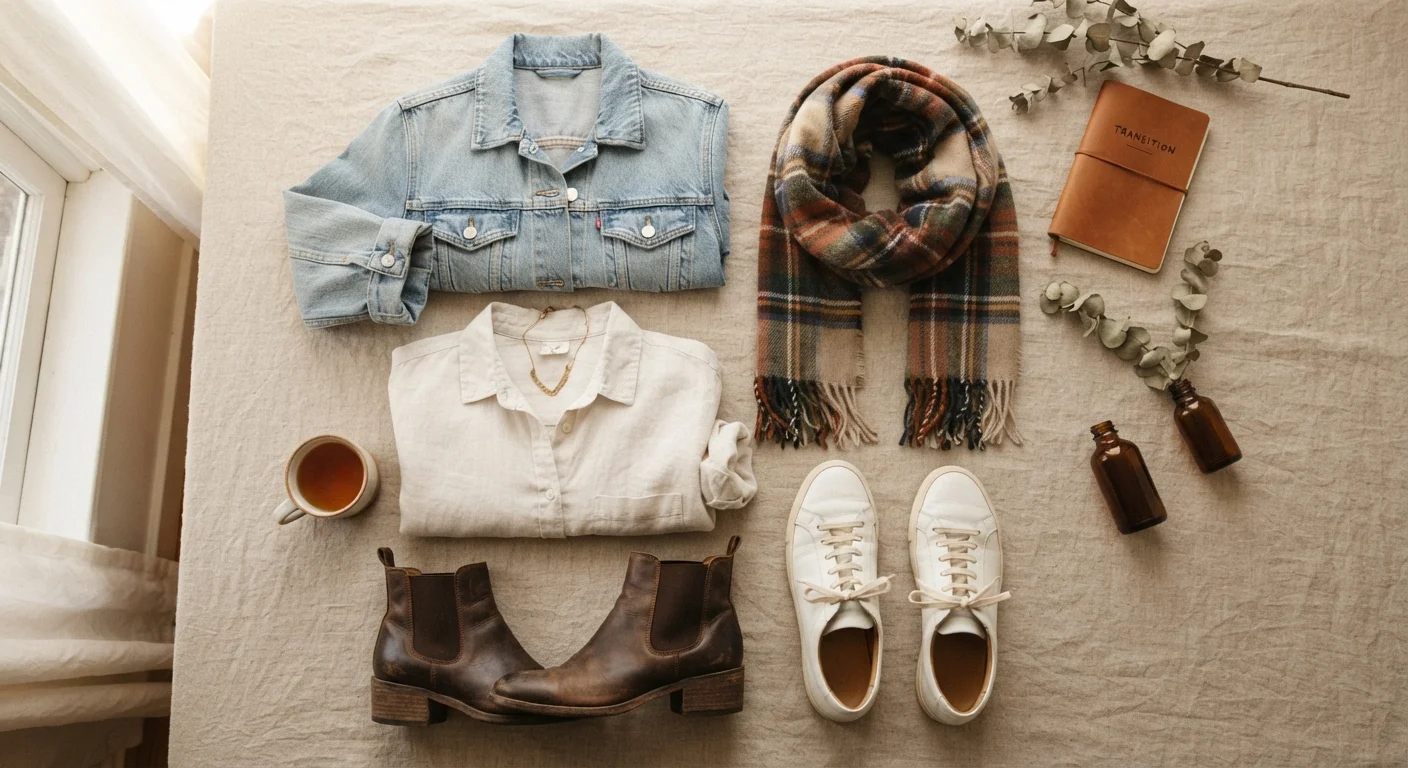
When summer starts winding down, these same fabrics transition well - see our piece on moving your wardrobe between summer and fall for ideas on carrying linen and cotton pieces into cooler months.
Weave Weight Changes Everything
Don't judge a fabric solely by its fiber name. A loosely woven, lightweight cotton voile can actually be cooler than a thick, dense linen canvas. When shopping for summer pieces, look at the weight (often listed in grams per square meter, or GSM) alongside the fiber content. Lighter weights in either fabric - generally under 150 GSM - tend to perform better in hot weather than heavier versions of the same material.