
Why This Question Comes Up for Every Wardrobe Builder
When you're trying to put together a reliable, versatile wardrobe without wasting money, you quickly face a familiar tradeoff: do you spend more energy finding the right fit, or do you invest in higher-quality fabric? Most of us have limited time and budget, so understanding which factor delivers more value - and when - makes a real difference in what ends up staying in your closet versus what gets donated six months later.
The honest answer is that both matter, but they don't matter equally in every situation. Fit and fabric each do a specific job, and knowing what each one actually does for you helps you make smarter choices at the store or online. See how the two compare head-to-head below, then we'll dig into when each one should take priority.
| Criterion | Fit | Fabric |
|---|---|---|
| Impact on appearance | Immediate and highly visible | Subtle but foundational |
| Effect on longevity | Minimal - won't prevent wear | Major - determines how piece holds up |
| Fixable after purchase | Often yes - via basic tailoring | Rarely - fabric quality is set at purchase |
| Comfort impact | Moderate - bad fit causes restriction | High - affects breathability and feel daily |
| Versatility boost | High - well-fitted pieces work in more contexts | Medium - quality fabric suits more occasions |
| Cost to improve | Low to moderate (alterations) | Higher - requires buying better materials upfront |
| Care and maintenance | Not affected by fit | Varies widely by fiber type |
What Fit Actually Does for Your Wardrobe
Fit is the fastest visual signal your clothing sends. A shirt that pulls across the shoulders, trousers that bunch at the waist, or a jacket with sleeves that swallow your hands - these details communicate sloppiness even when the garment itself is perfectly constructed. On the flip side, a simple cotton tee that skims your frame without being tight reads as intentional and put-together, even if it cost very little.
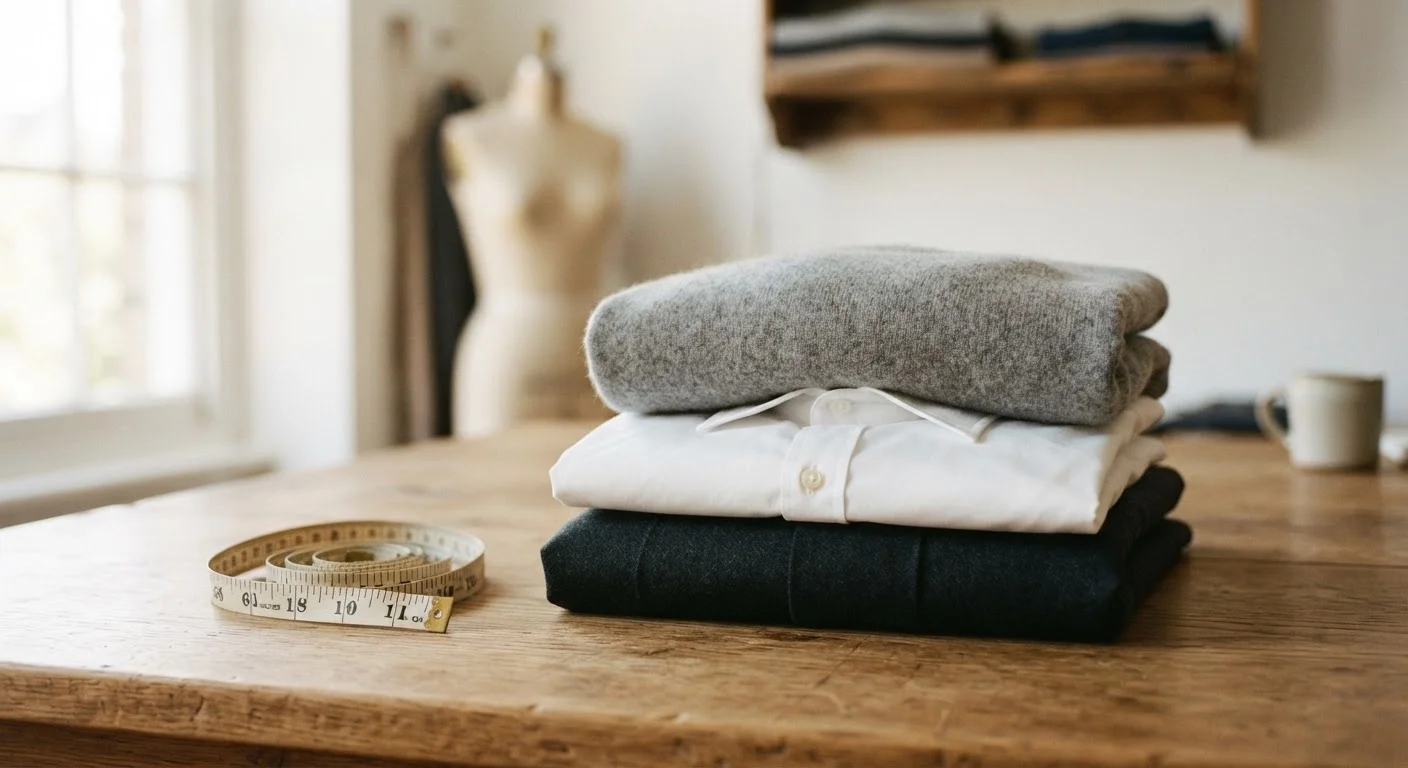
This is why most professional stylists and everyday fashion writers agree: fit is the single highest-leverage factor in how clothing looks on a real body. It doesn't require spending more - it often just requires looking more carefully before buying, or budgeting a small amount for a basic alteration. A tailor can take in a waist, shorten a hem, or adjust sleeve length for a reasonable fee, transforming an otherwise ordinary piece into something that feels custom.
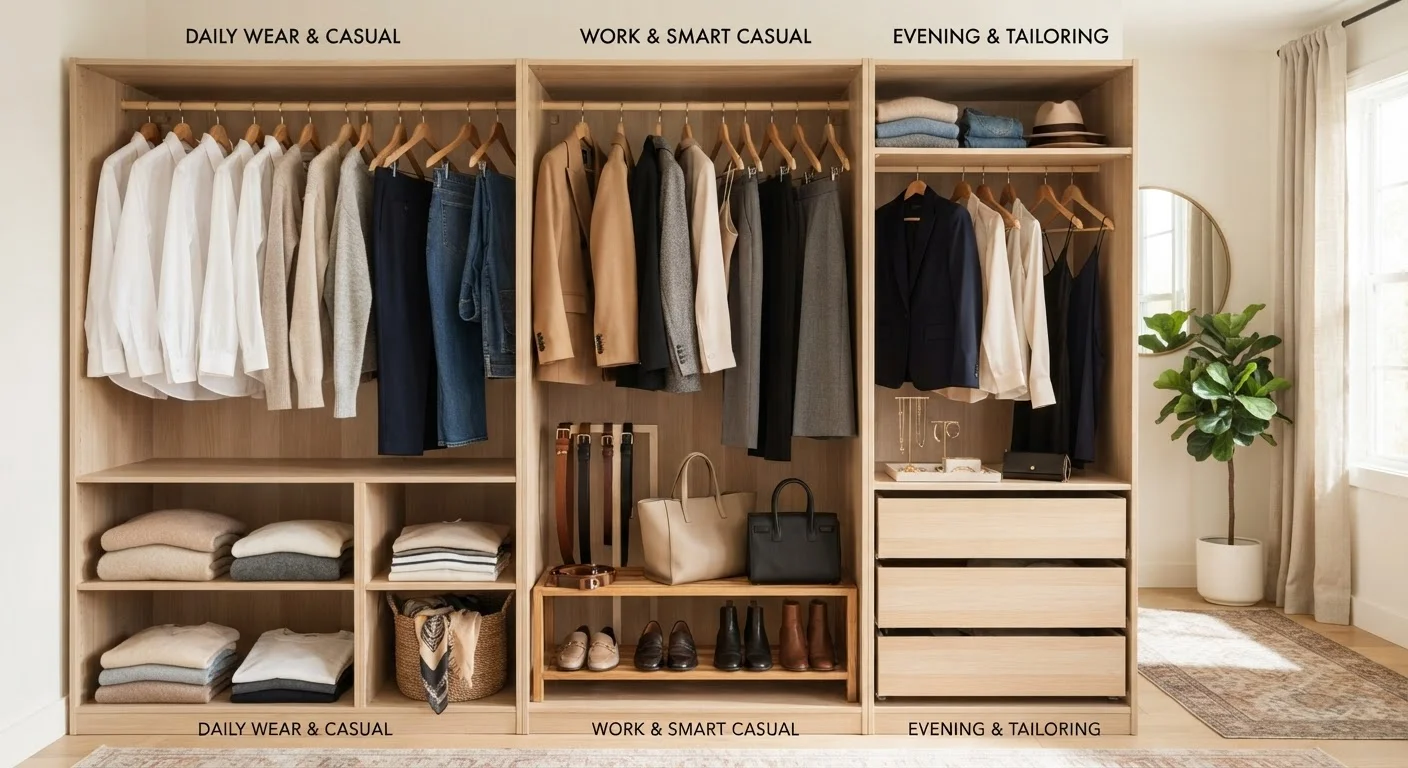
Fit also directly affects versatility. Pieces that fit well tend to work across more settings. A well-fitted blazer goes from weekend errands to a work meeting without much effort - a concept explored further in our guide to building a wardrobe that transitions from casual to formal.
What Fabric Brings to the Long Game
Fabric is where longevity lives. A garment can fit perfectly on day one but fall apart after a handful of washes if it's made from low-quality materials. Pilling, fading, shrinkage, and that telltale thin, see-through quality after washing are all fabric problems - not fit problems - and no amount of tailoring fixes them.
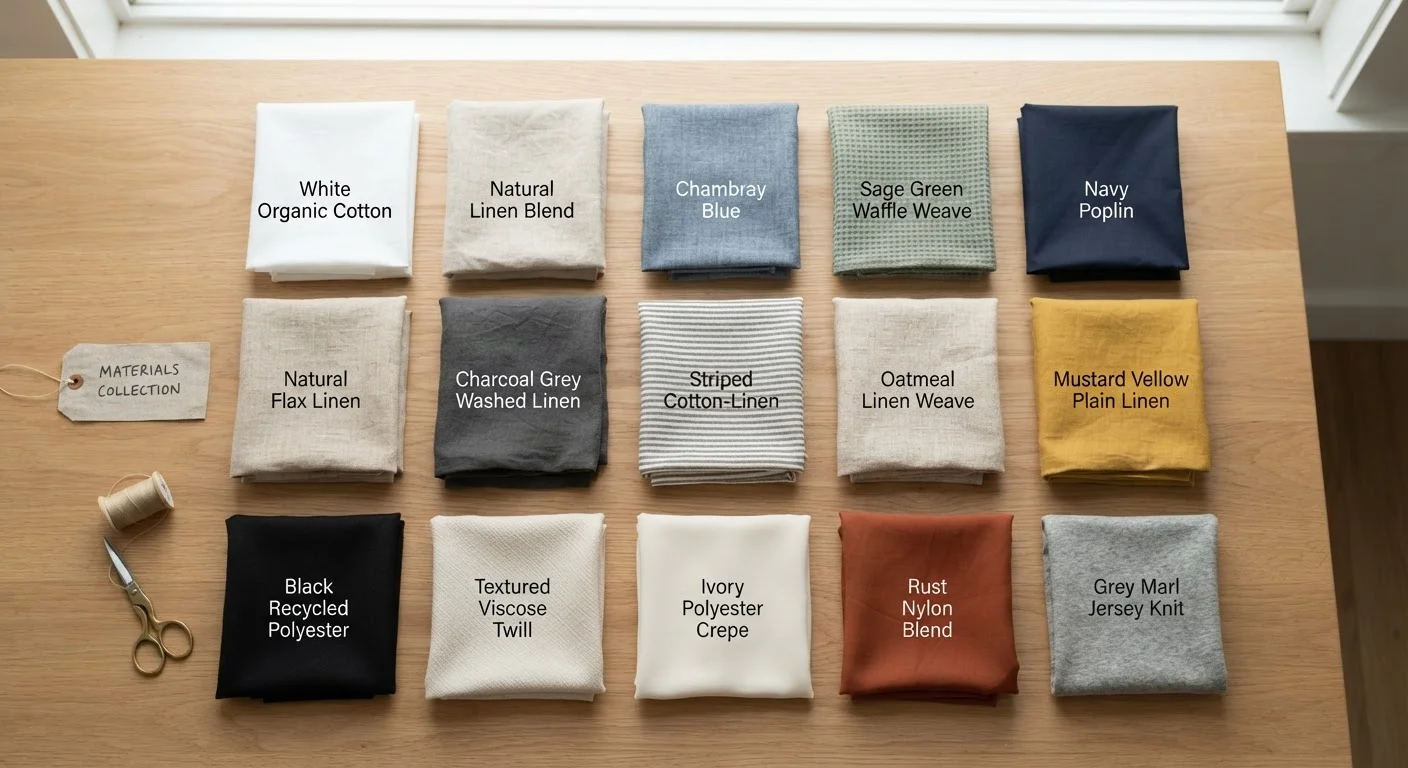
Natural fibers like cotton, linen, and wool tend to breathe better, soften with wear, and hold their structure over time compared to lower-grade synthetics. That said, fabric choice is also about context. A polyester-blend workout top serves a different purpose than a linen button-down meant for daily wear. For wardrobe staples - the pieces you'll reach for most - fabric quality pays off. Our deep-dive into choosing everyday fabric that actually lasts breaks down exactly how the most common options perform for daily wear and regular washing.
Fabric Labels Are Worth Reading
The fiber content label on clothing tells you more than most people realize. A garment listed as 100% cotton or linen will generally behave very differently from one labeled 100% polyester - in terms of breathability, wash durability, and how it looks after repeated use. Blends (like a cotton-polyester mix) sit somewhere in between and can offer a useful balance of comfort and easy care. Getting in the habit of checking the label before buying takes only a moment and can save real frustration down the line.
Fabric also affects comfort in ways fit can't compensate for. A stiff, scratchy collar or a fabric that traps heat will make a perfectly fitted shirt unpleasant to wear all day - which means it won't actually get worn.
How to Balance Both When Shopping Smart
For most everyday Americans building a functional wardrobe, a practical approach looks like this: prioritize fit first, then upgrade fabric where budget allows. Start by trying things on - or carefully checking size charts for online orders - before committing. Identify pieces that already fit well in the shoulders and chest (the two hardest areas to alter cheaply), then consider the fabric.
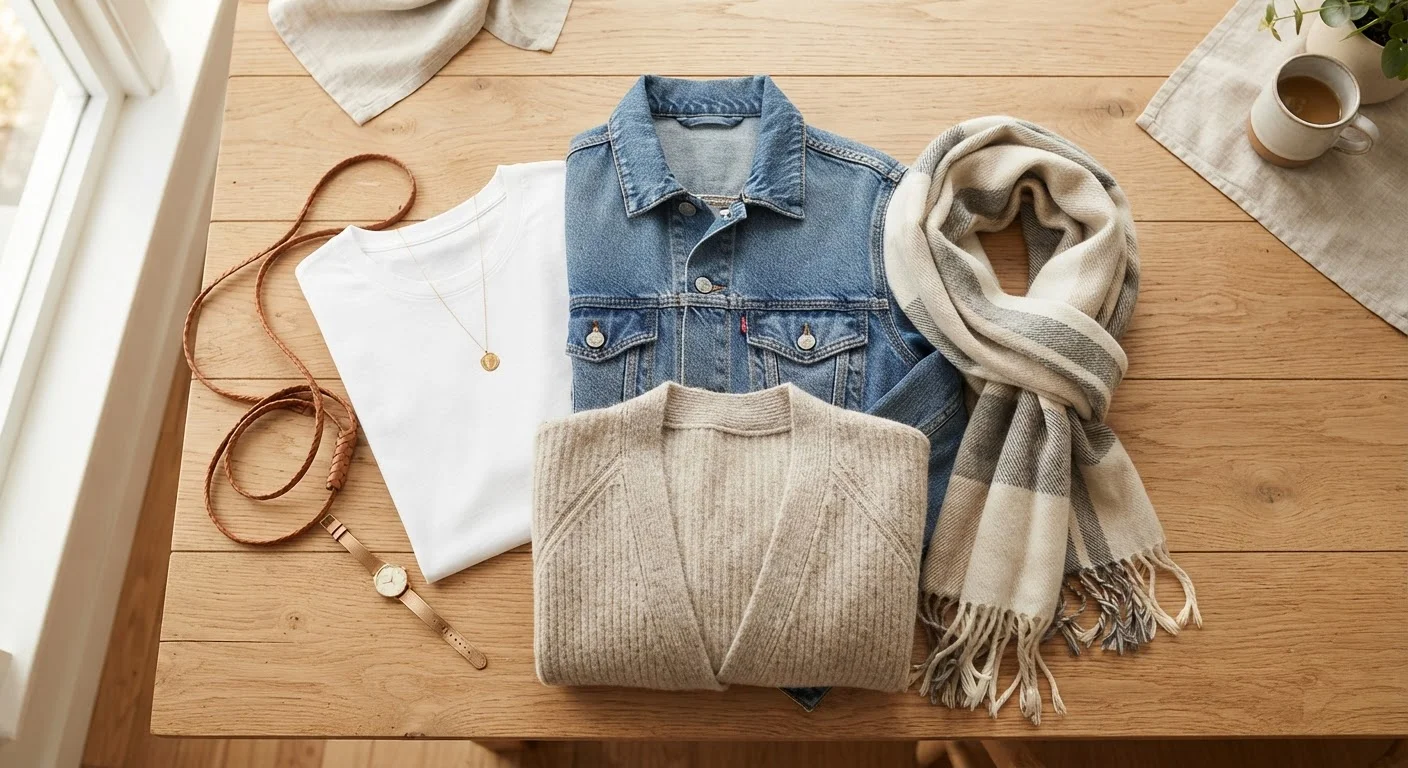
When shopping for core staples - a white button-down, dark trousers, a versatile knit - look for natural fiber content where possible, even at modest price points. A cotton-heavy blend will typically outlast a fully synthetic version of the same garment. Layering also extends how far your staples go; combining a well-fitted base piece with a quality layering item multiplies your outfit options without doubling your spending. For practical ideas on doing exactly that, check out layering basics for getting more outfits from clothes you already own.
~60%
Clothes discarded due to poor fit
Industry estimates suggest that fit-related dissatisfaction is among the top reasons consumers discard or rarely wear purchased clothing.
2-3x
Longer lifespan for quality natural fibers
Garment care researchers have noted that high-quality natural-fiber pieces can outlast lower-grade synthetics by multiple wash cycles under equivalent wear conditions.
The goal isn't perfection - it's building a small set of pieces that work reliably, day after day. For more on how a compact wardrobe can actually handle your full week, see our guide to building a wardrobe that works every day of the week.