

Why Your Basics Deserve Better Care
Your foundational wardrobe pieces - the white tee, the well-fitted denim, the go-to crewneck - do the heaviest lifting of any clothes you own. They're worn most often, washed most often, and, unfortunately, worn out fastest. The good news? Most of that wear is preventable.
Caring for basics isn't about being precious with your clothes. It's about smart, consistent habits that keep everyday staples looking fresh season after season. Whether you're building a wardrobe that works every day or just trying to get more mileage out of what you already own, the practices below are genuinely game-changing.
Start With the Care Label - Every Time
Before you wash any new piece, check the care label sewn inside. It tells you exactly what the fabric needs: water temperature, drying method, and whether ironing is safe. Taking ten seconds to read it can save you from an irreversible mistake. If a label has worn off, look up the garment's fabric content online for general guidance.
Laundry Habits That Protect Instead of Punish
Most clothing damage happens in the wash - not from wear. Heat is the primary culprit. High dryer temperatures break down elastic fibers, shrink cotton, and cause colors to fade faster than almost anything else.
Wash in cold water and skip the high-heat dryer cycle whenever possible.
Hot water and high dryer heat are the leading causes of shrinkage, color fading, and fiber breakdown in cotton and blended basics. Cold water cleans effectively while preserving fabric integrity. Air drying or low-heat tumbling adds significant life to your clothes.
Turn garments inside out before washing.
Friction inside the drum causes pilling and surface abrasion that dulls color and texture over time. Washing inside out keeps the outer surface protected during agitation.
Spot clean between full washes when you can.
Every wash cycle puts mechanical stress on fabric. Reducing wash frequency by spot cleaning small marks extends the overall life of a garment considerably, while also saving water and energy.
Always read and follow the care label before washing a new item.
Care labels are fabric-specific instructions from the manufacturer - not general suggestions. Ignoring them is the fastest way to ruin a piece on the first or second wash.
Fold knitwear and heavy cotton pieces; hang wovens and structured items.
Gravity pulls heavy knits out of shape when hung, causing shoulder bumps and stretched necklines. Woven fabrics like button-downs wrinkle more easily and benefit from hanging on proper shaped hangers.
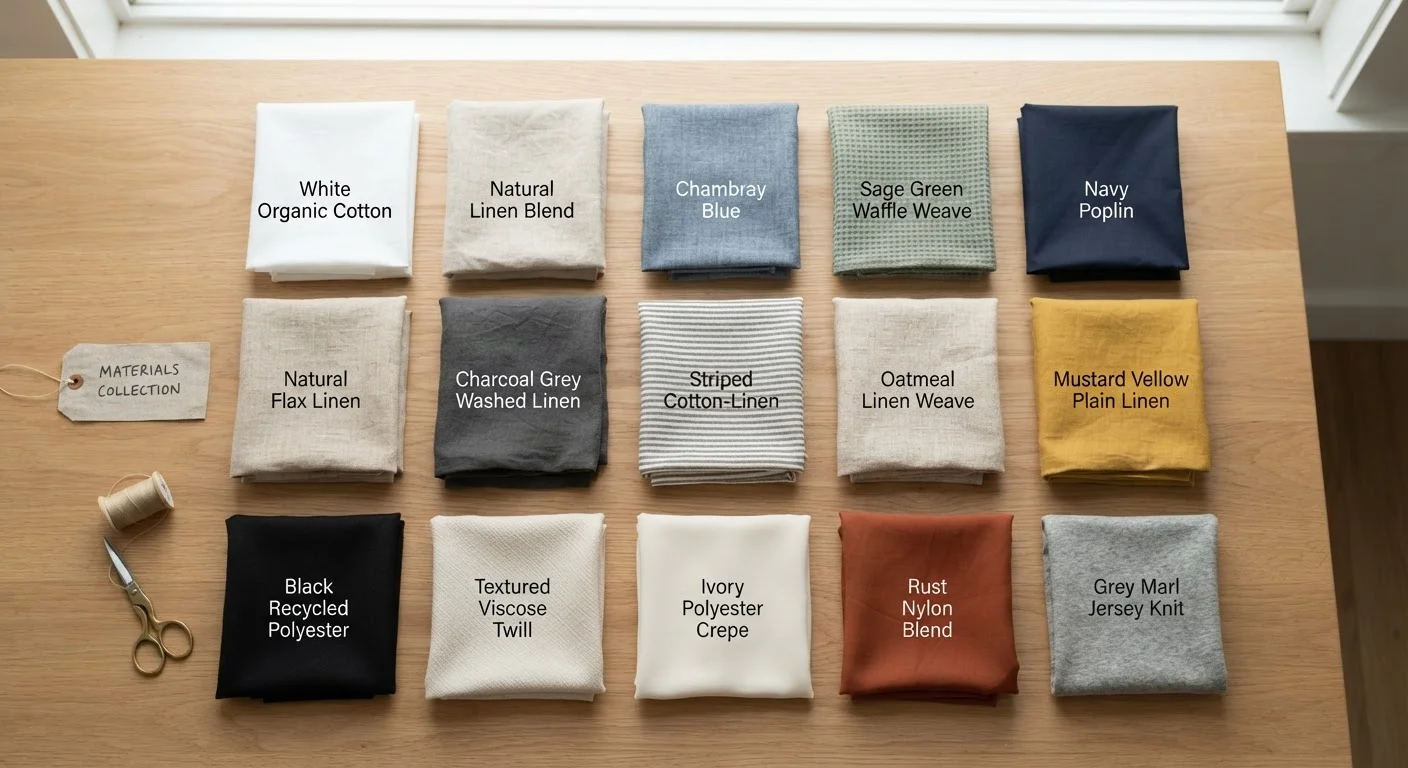
Understanding your fabrics also helps enormously. Cotton, linen, and synthetics each behave differently under heat and agitation. Our guide on choosing everyday fabric that actually lasts breaks down exactly what each material needs.
Storage That Works for Every Fabric
How you store your clothes between wears matters just as much as how you wash them. The wrong storage method causes permanent damage - stretched necklines, creased knits, misshapen shoulders - that no amount of careful washing can undo.
For a closet that stays organized and functional, think about pairing storage habits with a capsule wardrobe approach - fewer, better-cared-for pieces that rotate cleanly through every season.
Stain and Damage Response Done Right
Even the most careful person deals with spills. What separates a ruined shirt from a rescued one is almost always how quickly and correctly you respond.
Act on Stains Within Minutes, Not Hours
The longer a stain sits, the deeper it sets into the fibers. For most common stains - food, coffee, light grease - blotting gently with cold water immediately after the spill prevents the stain from bonding. Avoid rubbing, which spreads the stain and pushes it deeper into the weave. Hot water should generally be avoided on fresh stains, as it can set protein-based marks like blood or sweat permanently.
Beyond stains, small issues like loose buttons, tiny pulls in knitwear, or a fraying hem are worth addressing early. A loose thread pulled carelessly can unravel a seam. Snipping it cleanly or using a fabric comb on pills keeps basics looking intentional rather than tired. Think of it like maintenance on anything else you value - small, consistent attention prevents big, expensive problems.
For more ideas on stretching what you own, see how layering basics gets you more outfits from the same pieces.
~40%
Of clothing damage linked to improper washing
Textile care researchers and fabric manufacturers commonly attribute a significant share of premature garment wear to incorrect laundering practices, including excessive heat and agitation.
2-3x
Longer lifespan with proper fabric care
Clothing care advocates and sustainability organizations suggest that consistent, correct care routines can roughly double or triple the wearable life of everyday basics.