
Why Wardrobe Basics Actually Matter
Getting dressed shouldn't feel like a puzzle. But without a solid foundation of reliable, versatile pieces, that's exactly what it becomes - a daily scramble through clothes that don't quite work together. Wardrobe basics solve this problem by acting as the connective tissue of your closet: neutral, adaptable pieces that pair easily with almost anything.
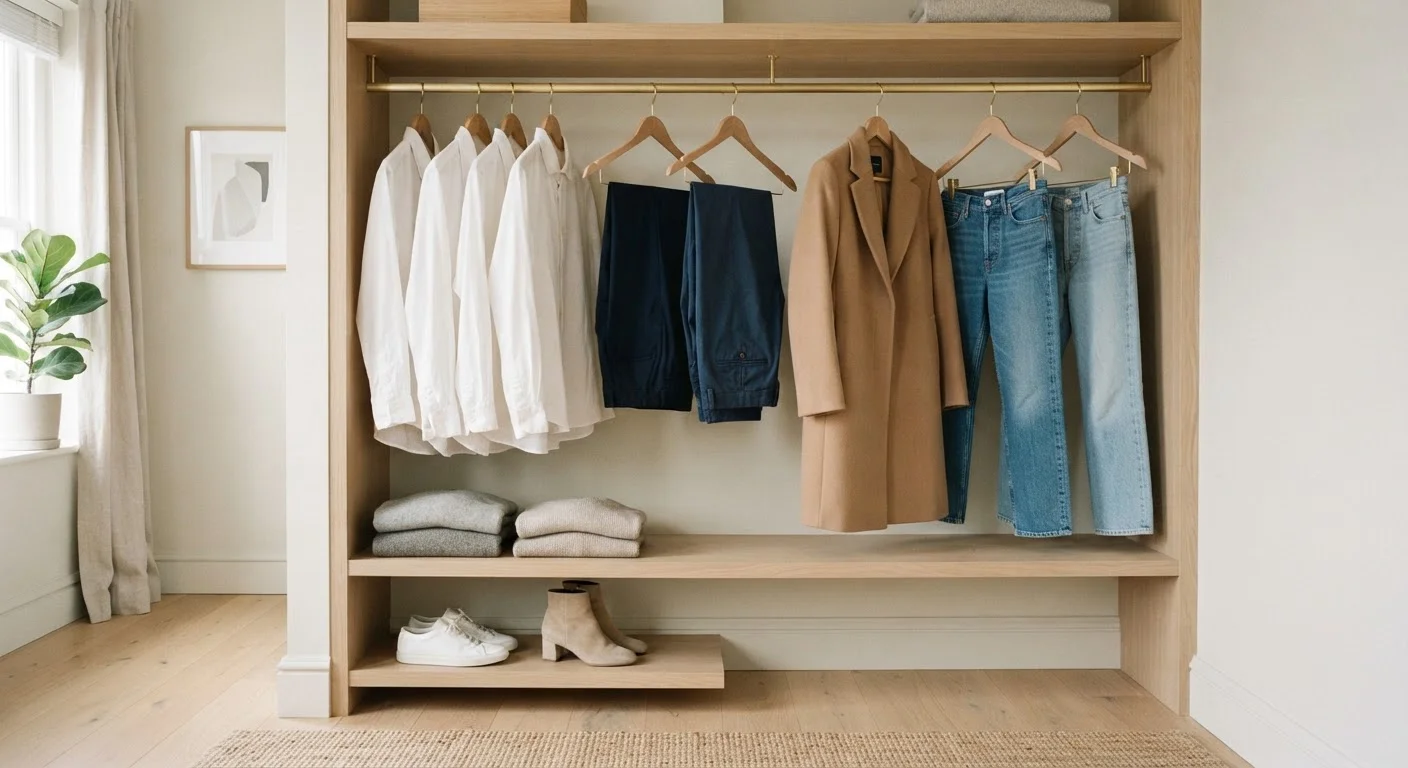
Think of basics not as boring fallbacks, but as your most hardworking clothes. A well-fitted white tee, a pair of dark straight-leg jeans, and a clean white or navy button-down can carry you through casual Fridays, weekend errands, and low-key social occasions without a second thought. That kind of outfit flexibility is what makes basics genuinely valuable.
This checklist is designed to help you audit what you already own and identify what's missing. If you want to go deeper on how a small, intentional wardrobe operates, explore the anatomy of a capsule wardrobe for a fuller picture. For now, use this list as your practical starting point.
Top Half Essentials
Bottoms
Layers and Outerwear
Footwear
Accessories and Finishing Touches
How to Use This Checklist
Pull everything out of your closet - yes, everything - and match each item against the list below. Check off pieces you already own in good condition. Flag items that are worn out, don't fit, or no longer suit your lifestyle. What's left unchecked is your shopping shortlist.
Don't Rush to Replace Everything at Once
A wardrobe audit can make it tempting to toss or replace large chunks of your closet in one go. Instead, prioritize filling only the gaps that affect your daily outfits first. Replacing everything at once can lead to impulse purchases that don't actually fit your lifestyle or coordinate well with what you already own.
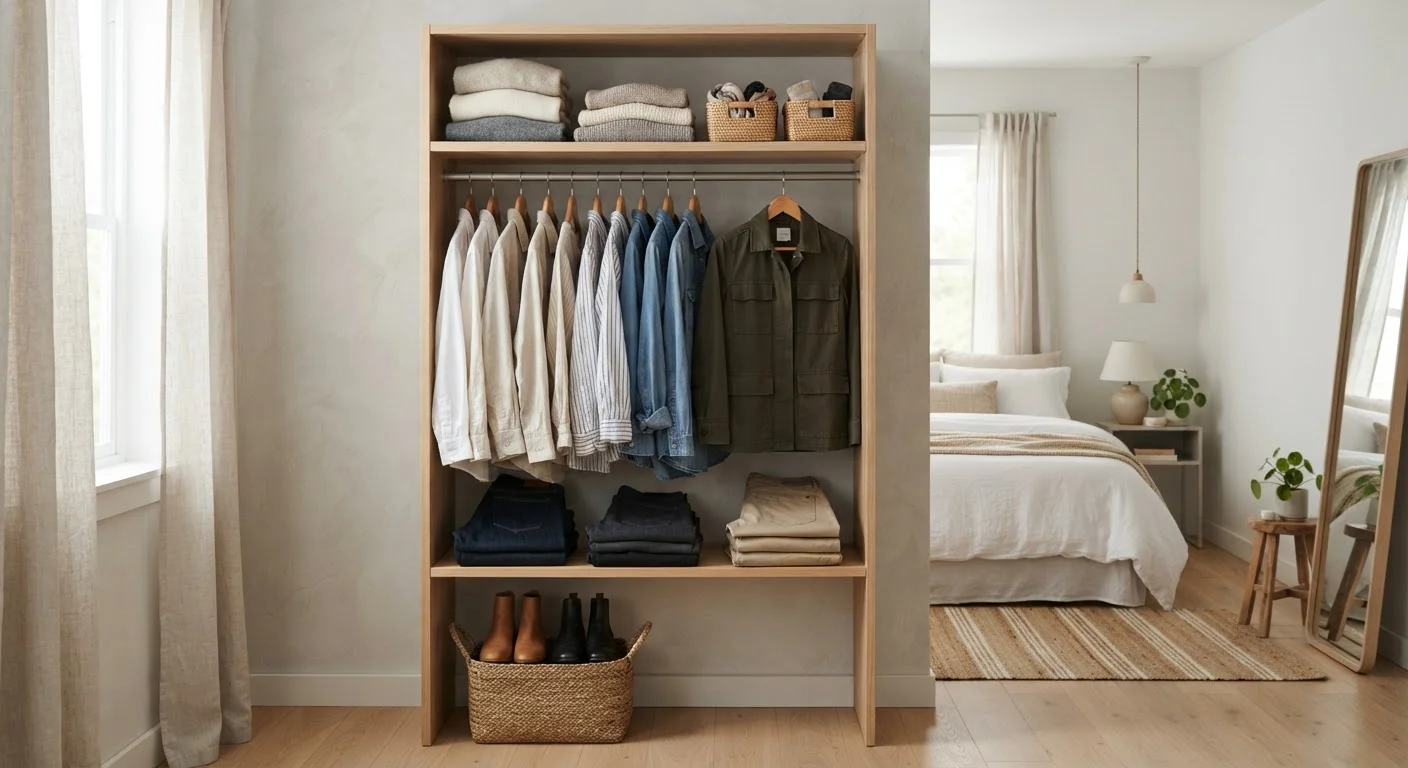
A few guiding principles as you work through this: prioritize fit above all else, lean toward neutral tones (white, black, grey, navy, tan, olive) for maximum flexibility, and aim for fabrics that hold their shape after repeated washing. Caring for your basics properly is just as important as choosing them - learn how to keep everyday staples in great shape so they last longer.
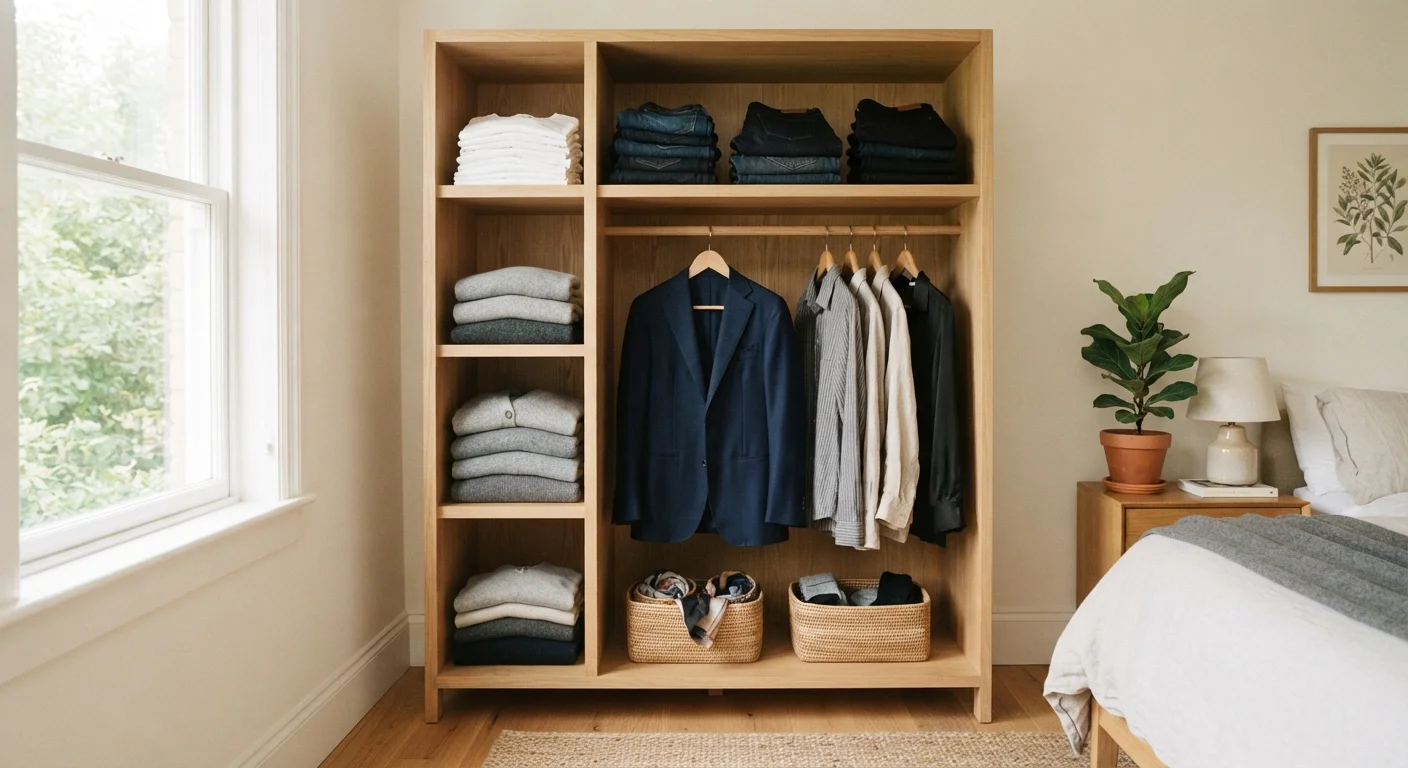
Once you've identified your gaps, check out how a small set of versatile pieces can work every day of the week for practical outfit inspiration. And if your lifestyle spans multiple dress codes, this guide on transitioning from casual to formal is worth a read too.
Full-length mirror
Assess fit, proportion, and how pieces work together before committing to a closet slot.
Donation bag or box
Collect items that no longer fit or serve your wardrobe during the audit process.
Clothing steamer or iron
Quickly refresh basics so you can accurately assess their condition and wearability.
Closet inventory list (paper or app)
Track what you own and spot genuine gaps rather than guessing from memory.