
The Purchase Price Gap Is Real - But Shrinking
Battery electric vehicles (EVs) carry a higher sticker price than comparable gasoline-powered cars. The difference has narrowed in recent years as battery production scales up, but buyers should still expect to pay a meaningful premium at the point of sale.
Federal tax credits - currently up to $7,500 for qualifying new EVs under the Inflation Reduction Act - can offset a portion of that cost, though income limits, vehicle price caps, and assembly requirements all affect eligibility. Many states and some utilities also offer additional rebates. For a full explanation of how these programs work, see our overview of EV incentive programs.
Financing an EV at a higher purchase price also means higher monthly payments or more interest paid over the loan term - a factor worth modeling before purchase.
Lower per-mile fuel costs than gasoline
Electricity generally costs less per mile than gasoline, particularly for drivers in states with moderate electricity rates and those who charge primarily at home during off-peak hours.
Reduced routine maintenance expenses
EVs have fewer moving parts than internal combustion engines, eliminating oil changes, transmission service, and reducing brake wear through regenerative braking.
Federal and state incentives can offset purchase price
Qualifying buyers may access up to $7,500 in federal tax credits, plus additional state rebates and utility programs, reducing the effective purchase cost meaningfully.
Predictable, stable fuel costs
Electricity prices fluctuate less dramatically than gasoline, making monthly transportation budgets easier to forecast over time.
Day-to-Day Costs: Fuel and Maintenance
This is where EVs tend to earn back ground. Electricity is generally cheaper per mile than gasoline, though the margin varies significantly by state. Drivers in states with high electricity rates see a smaller advantage than those in lower-cost regions.
On the maintenance side, EVs eliminate many of the recurring costs associated with internal combustion engines: no oil changes, fewer brake replacements (thanks to regenerative braking, which recaptures energy during deceleration), and no transmission fluid or spark plug service. For a deeper look at how the technology behind these differences works, see Electric Vehicles Explained.
~40%
Typical reduction in per-mile fuel cost vs. gasoline
The U.S. Department of Energy has estimated that EVs can cost significantly less per mile to fuel compared to gasoline vehicles, though the margin varies by region and electricity rates.
$800-$1,000
Estimated annual maintenance savings for EV owners
Consumer and industry analyses have consistently found EV owners spend less annually on maintenance than gasoline vehicle owners, largely due to fewer required service items.
Higher upfront purchase price than gas vehicles
Even with incentives, EVs typically cost more at the point of sale, resulting in larger down payments or higher financed amounts compared to equivalent gasoline models.
Battery replacement is expensive if needed
Out-of-warranty battery replacement can cost tens of thousands of dollars, representing a significant financial risk for high-mileage drivers or those keeping a vehicle beyond 10 years.
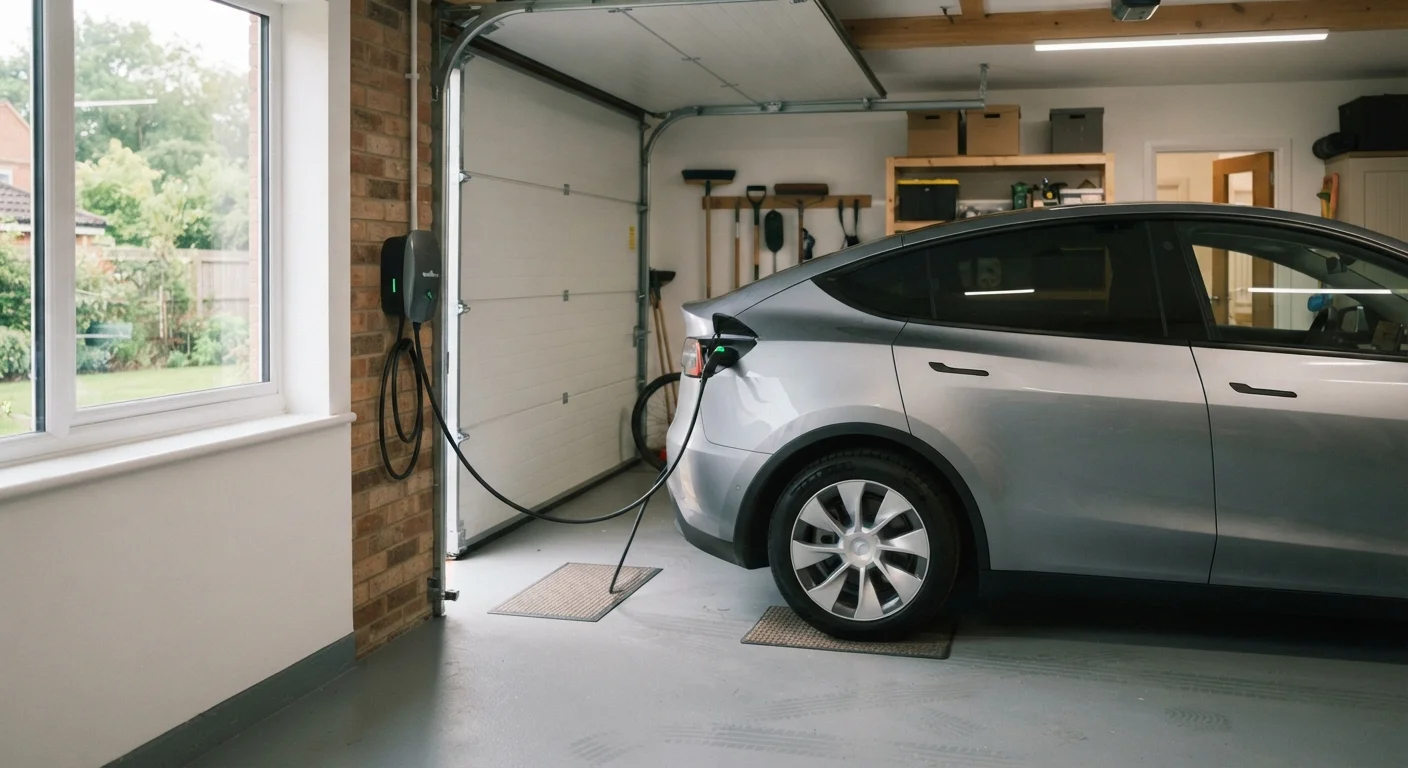
Home charging setup adds installation costs
Installing a Level 2 home charger typically costs several hundred to over a thousand dollars, and renters or those without garages may not have this option at all.
Charging time is longer than refueling
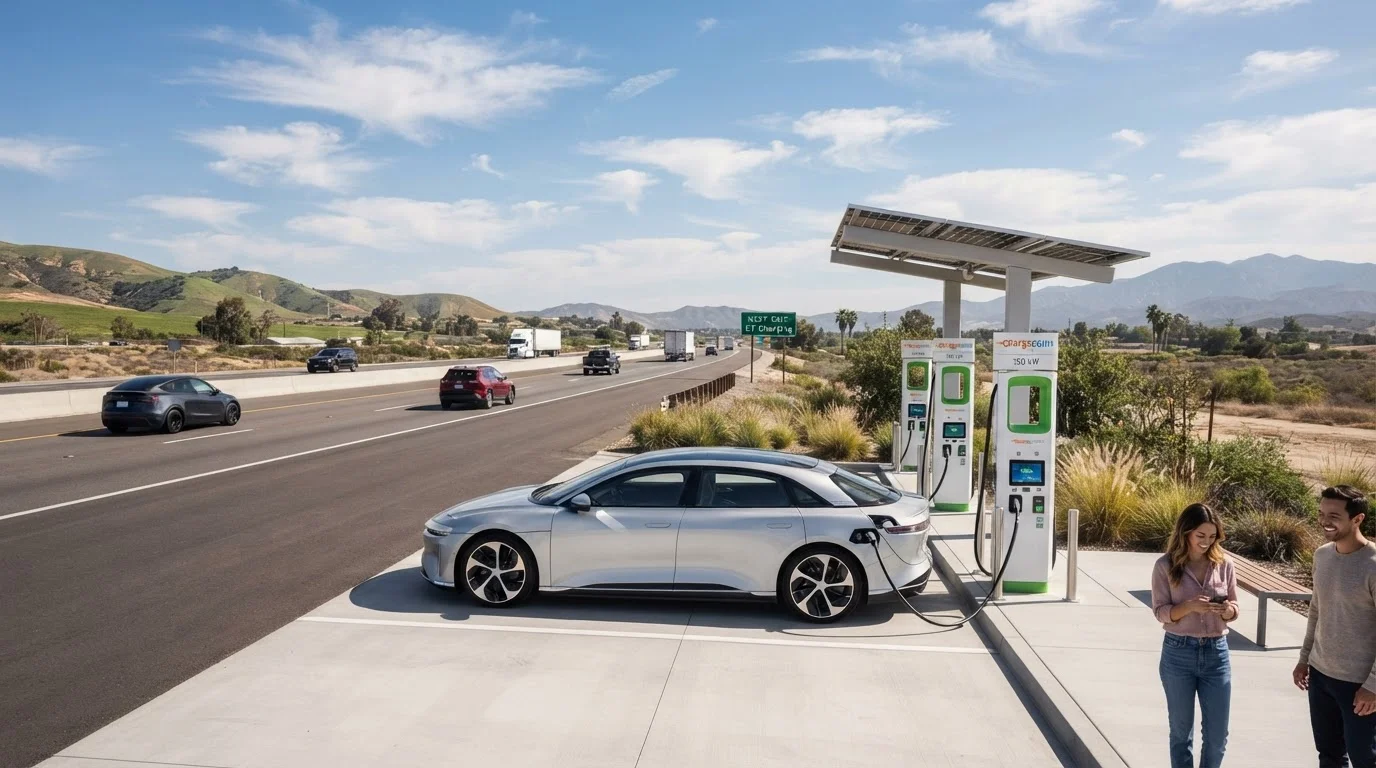
Even DC fast charging takes considerably longer than a gas station stop, and not all vehicles or charging networks support the fastest available speeds.
The Long-Term Wildcard: Battery Health and Replacement
EV batteries degrade over time, meaning range gradually decreases with age. Most manufacturers warrant their battery packs for eight years or 100,000 miles against significant capacity loss, which provides some protection for initial owners.
If a battery requires replacement outside of warranty - a relatively rare but costly event - the expense can run into the tens of thousands of dollars. This remains one of the largest financial uncertainties in EV ownership and is worth factoring into any long-term cost analysis.
Battery Warranty: What It Does and Doesn't Cover
Most EV manufacturers provide an eight-year or 100,000-mile battery warranty that protects against capacity falling below a specified threshold - commonly 70%. This does not cover gradual degradation above that threshold, nor does it apply to subsequent owners in all cases. Always review the specific warranty terms for any vehicle you are considering, and confirm how coverage transfers if you buy used.
Your driving environment matters too. Cold climates can temporarily reduce range and, over time, accelerate battery degradation. If you're weighing range-related concerns, our piece on common EV misconceptions separates fact from persistent myth.
Infrastructure and Setup: The Hidden Upfront Costs
Home charging convenience comes at a setup cost. A standard household outlet (Level 1 charging) works but is very slow - suitable for modest daily mileage. Most EV owners opt for a Level 2 charger, which requires a 240-volt outlet. Professional installation typically runs several hundred to over a thousand dollars depending on your electrical panel and garage configuration.
Renters and apartment dwellers may have no home charging option at all, making public charging infrastructure the primary resource - and introducing more variability in cost and convenience. Our charging guide walks through the differences between Level 1, Level 2, and DC fast charging in practical terms.
Before committing, it's worth working through the specifics of your situation. This readiness checklist covers garage setup, charging access, and driving patterns to help you assess fit.
This article provides general financial and consumer information about electric vehicle ownership. It is not personalized financial, tax, or legal advice. Incentive programs, costs, and eligibility rules change frequently - consult a qualified professional and verify current program details with official sources before making purchase decisions.