
Why EV Myths Persist - and Why They Matter
Electric vehicles represent one of the most significant shifts in American transportation in a century, yet a surprising number of consumers still hold onto outdated or simply incorrect ideas about how they work and what it costs to own one. These misconceptions aren't harmless: they shape purchase decisions, policy views, and public discourse in ways that don't reflect current technology or market realities.
Understanding what the evidence actually shows - rather than what a neighbor or social media post claims - is the first step toward a more informed position, whether you're considering an EV or simply trying to understand where the industry stands. For a grounded look at the technology itself, see our plain-language explainer on how EVs work.
Myth
EVs can only travel around 100 miles before they need to recharge, making them impractical for most drivers.
Fact
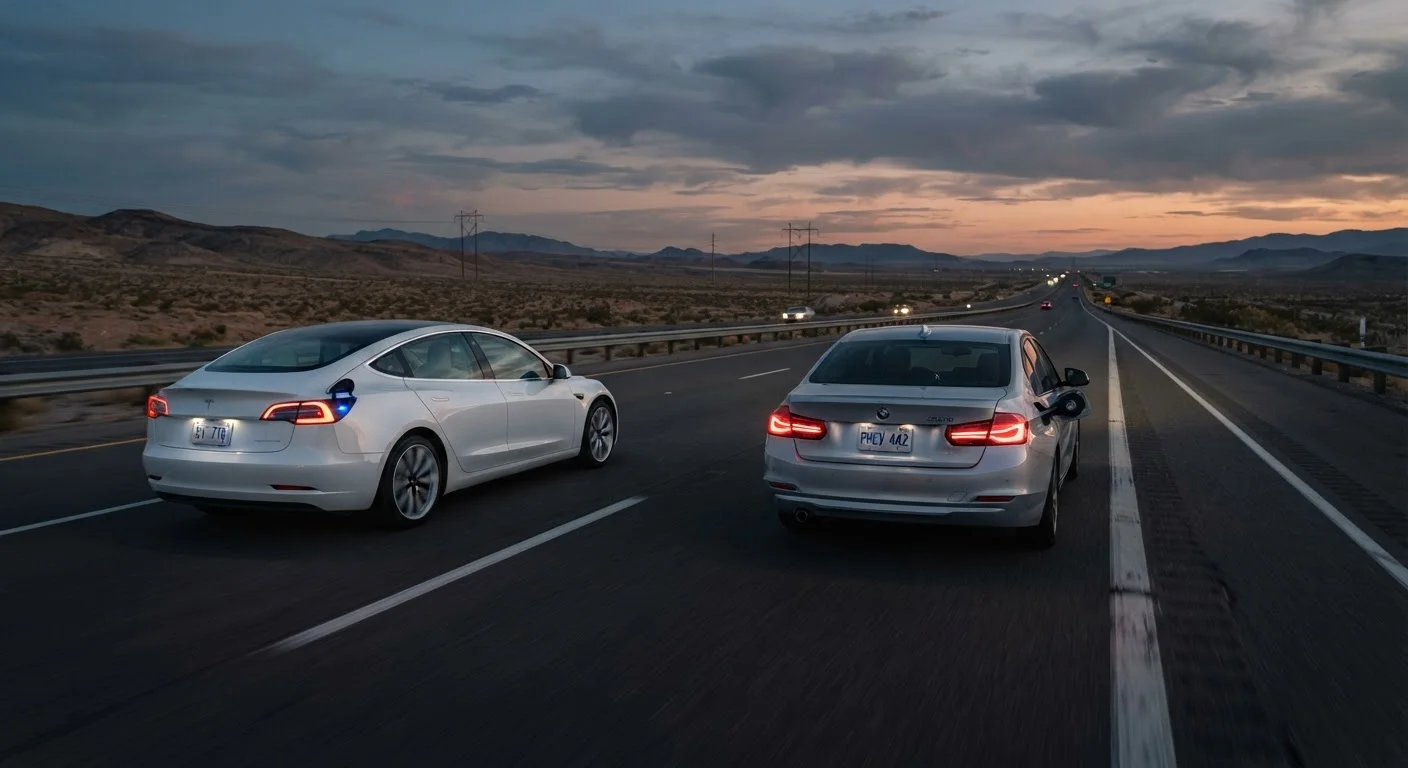
The majority of new EVs sold in the US today are rated for 200 to over 300 miles of range on a full charge.
The 100-mile figure is a relic of early-generation EVs from the early 2010s. Battery technology has advanced considerably since then. According to the US Department of Energy's Alternative Fuels Data Center, many current mainstream EV models exceed 250 miles of EPA-estimated range. The average American drives fewer than 40 miles per day, meaning a full charge typically covers several days of typical use. Long-distance travel does require planning around charging stops, but that gap is narrowing as fast-charging infrastructure expands.
Myth
Cold weather completely kills an EV's battery, leaving drivers stranded in winter conditions.
Fact
Cold temperatures do reduce EV range - typically by 10-40% depending on conditions - but modern EVs include thermal management systems designed to mitigate this effect.
Lithium-ion batteries perform less efficiently at low temperatures, and running the cabin heater draws from the same battery pack. However, the dramatic failure scenario many imagine is not a standard outcome. Most current EV platforms include active battery thermal management - systems that pre-condition the battery before driving and during DC fast charging. Preconditioning the cabin while still plugged in is a standard practice that preserves range. Drivers in northern climates do need to factor winter range reduction into their planning, but outright stranding is far rarer than the myth suggests.
Myth
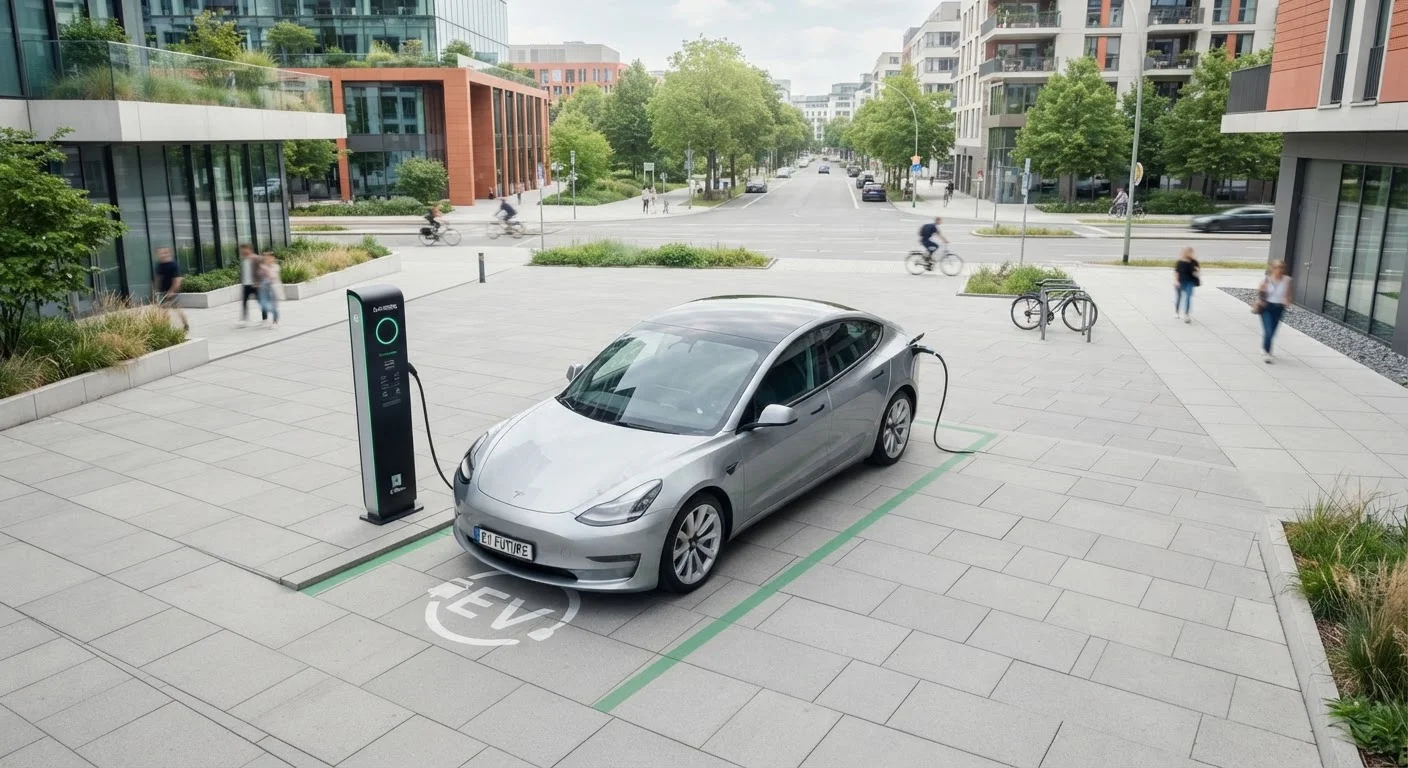
Charging an EV is inconvenient because public chargers are scarce and slow.
Fact
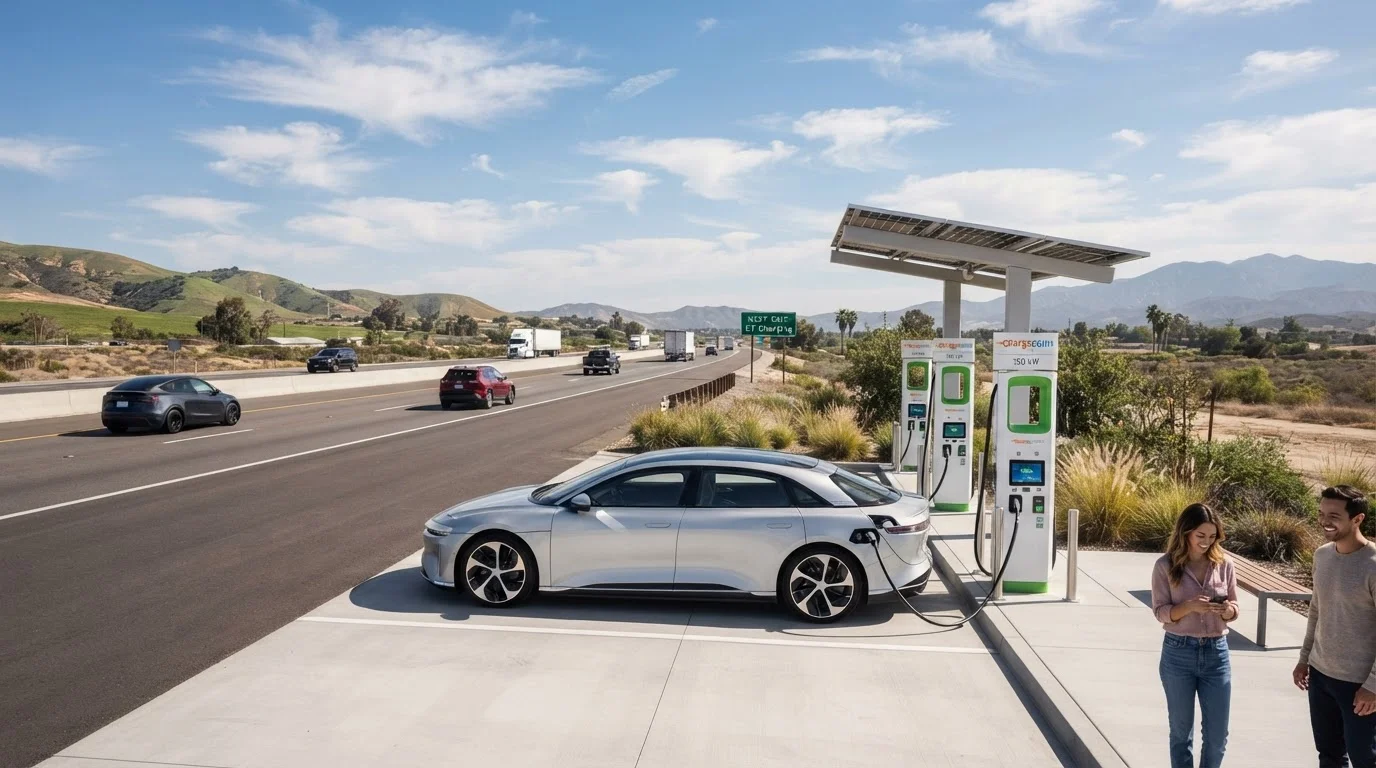
The US public charging network has grown substantially, with tens of thousands of stations now operational, and DC fast chargers can add significant range in 20-30 minutes.
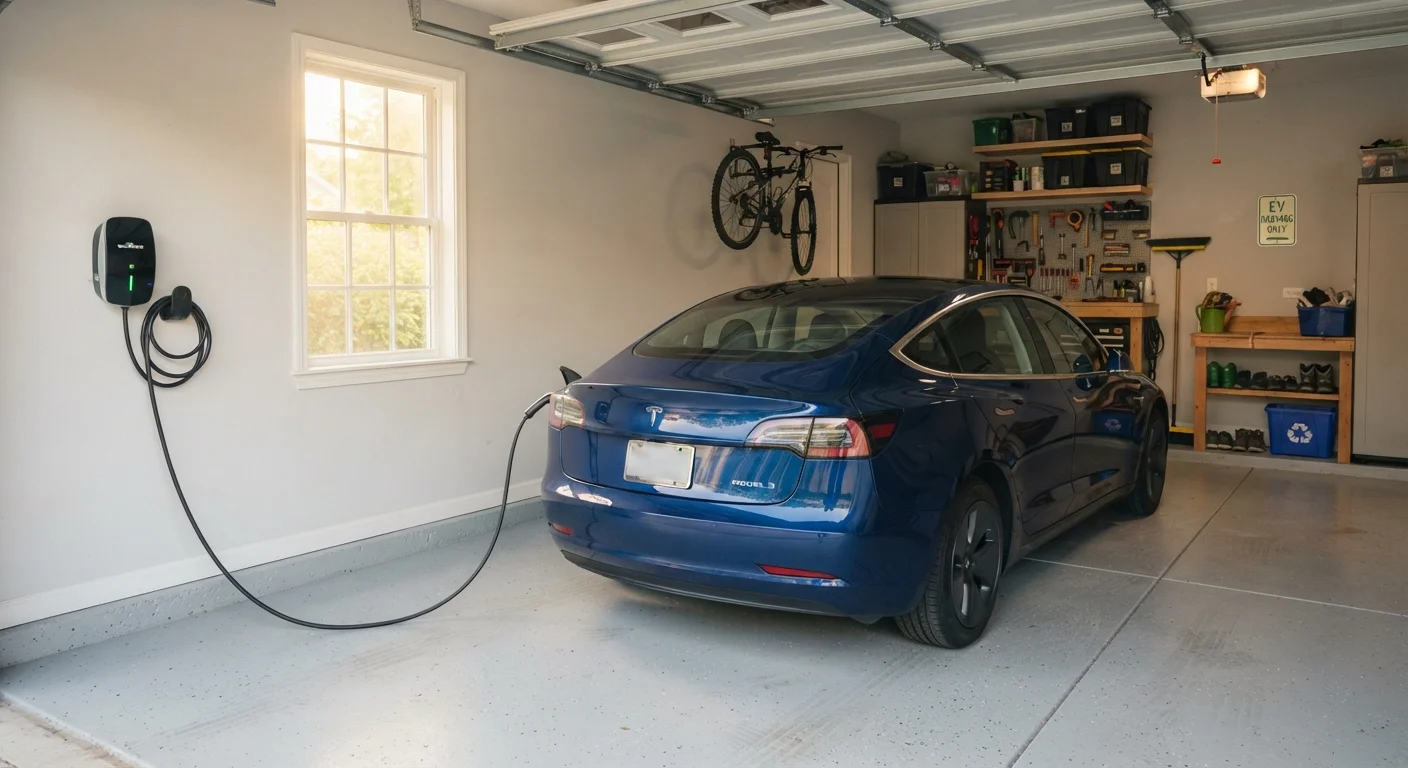
As of recent data from the Alternative Fuels Data Center, the United States has more than 60,000 public EV charging stations with over 160,000 individual charging ports - a count that continues to grow as federal infrastructure investments take effect. DC fast chargers (also called Level 3 chargers) are capable of delivering 100-200+ miles of range in roughly 20-30 minutes for compatible vehicles. The majority of EV owners charge primarily at home overnight, using Level 2 equipment, making public charging a supplemental rather than primary source of power for day-to-day driving.
Myth
EVs are more expensive to own than gas cars once you factor in electricity, insurance, and hidden costs.
Fact
When accounting for fuel and maintenance savings over time, total cost of ownership for many EVs is competitive with - and can be lower than - comparable gasoline vehicles.
The upfront sticker price of an EV is often higher than a comparable gas model, which is where this myth gets its foothold. But that comparison ignores operating costs. Electricity generally costs less per mile than gasoline, and EVs have significantly fewer moving parts - no oil changes, no transmission fluid, no spark plugs, fewer brake replacements due to regenerative braking. Consumer Reports and the US Department of Energy have both published analyses suggesting EV owners typically spend less on fuel and maintenance over the life of the vehicle. Federal tax credits and state-level incentives can further reduce the effective purchase price, though eligibility rules vary. For a full breakdown, see The Real Costs of Owning an Electric Car.
Myth
EV batteries need to be replaced every few years at enormous cost, wiping out any savings.
Fact
Most EV batteries are designed and warrantied to last well beyond 100,000 miles, and real-world data suggest substantial capacity retention at high mileage.
Federal regulations require automakers to warranty EV batteries for at least 8 years or 100,000 miles - whichever comes first - for any EV sold in the US. Independent analyses of high-mileage EVs, including large datasets compiled by EV research groups, have found that battery degradation tends to be gradual rather than sudden, with many vehicles retaining 80% or more of original capacity well into high-mileage service. Battery replacement, while expensive, is not an expected routine cost for most owners within a typical ownership period.
Getting the Full Picture Before You Decide
Separating myth from fact doesn't mean ignoring legitimate concerns. Range needs, charging access, and upfront costs are real variables that differ from household to household. But those decisions deserve to be made with accurate information, not fears rooted in technology from a decade ago.
40 miles
Average daily US driving distance
According to the Federal Highway Administration, the average American drives roughly 37-40 miles per day - well within the range of most current EV models on a single charge.
160,000+
Public EV charging ports in the US
The US Department of Energy's Alternative Fuels Data Center tracks more than 160,000 public charging ports nationwide as the network continues to expand.
8 years / 100,000 mi
Minimum federal EV battery warranty
Federal law requires all EV manufacturers selling vehicles in the US to cover the battery pack for at least 8 years or 100,000 miles, whichever comes first.
If you're weighing whether an all-electric car or a plug-in hybrid better suits your lifestyle, the side-by-side powertrain comparison can help you think it through systematically. And before committing, our EV readiness checklist covers garage setup, charging access, and driving patterns worth evaluating in advance. For a detailed look at what ownership actually costs over time, see The Real Costs of Owning an Electric Car.
Incentive Eligibility Is Not Universal
Federal EV tax credits under the Inflation Reduction Act have income limits, vehicle price caps, and sourcing requirements that determine eligibility. Not every EV qualifies, and not every buyer qualifies for the full credit amount. Before factoring an incentive into your budget, verify your eligibility with the IRS or a licensed tax professional - do not assume you will receive the maximum credit.
This article is for general informational purposes only. Incentive programs, vehicle specifications, and infrastructure availability change frequently - verify current details with official government sources and licensed automotive professionals before making purchasing or financial decisions.