
Why a Readiness Check Matters Before You Commit
Switching to an electric vehicle is one of the more significant automotive decisions a household can make. The technology has matured rapidly, public charging infrastructure has expanded across the US, and many drivers genuinely thrive with an EV as their primary vehicle. But readiness varies enormously depending on where you live, how you drive, and what your home setup allows.
Working through the questions in this checklist before you visit a dealership or configure a vehicle online can save you from expensive surprises. It will also clarify whether a fully battery-electric vehicle suits your situation right now - or whether a plug-in hybrid might be a better interim fit.
If you encounter unfamiliar terminology along the way, the EV glossary covers the vocabulary you'll actually encounter when shopping or charging.
Home Charging Setup
Driving Patterns and Range Fit
Public and Workplace Charging Access
Financial and Incentive Preparation
Lifestyle and Long-Term Fit
Tools and Resources You'll Want on Hand
You don't need specialist equipment to complete this checklist, but having a few resources accessible will make your answers more accurate.
US DOE Alternative Fuels Station Locator (afdc.energy.gov)
Find public EV charging stations near your home, workplace, and along common travel routes.
IRS Clean Vehicle Credit Guidance (irs.gov)
Review current federal tax credit eligibility requirements, income thresholds, and vehicle qualifications.
Your State Energy Office Website
Locate state-specific EV rebates, registration incentives, and utility charging programs.
Licensed Electrician
Evaluate your home's electrical panel and provide an accurate estimate for Level 2 charger installation.
Your Utility Company's Rate Schedule
Identify time-of-use or EV-specific electricity rate plans that can lower overnight charging costs.
Qualified Tax Professional
Determine how federal and state EV incentives apply to your specific tax filing situation.
Charging Infrastructure: The Make-or-Break Factor
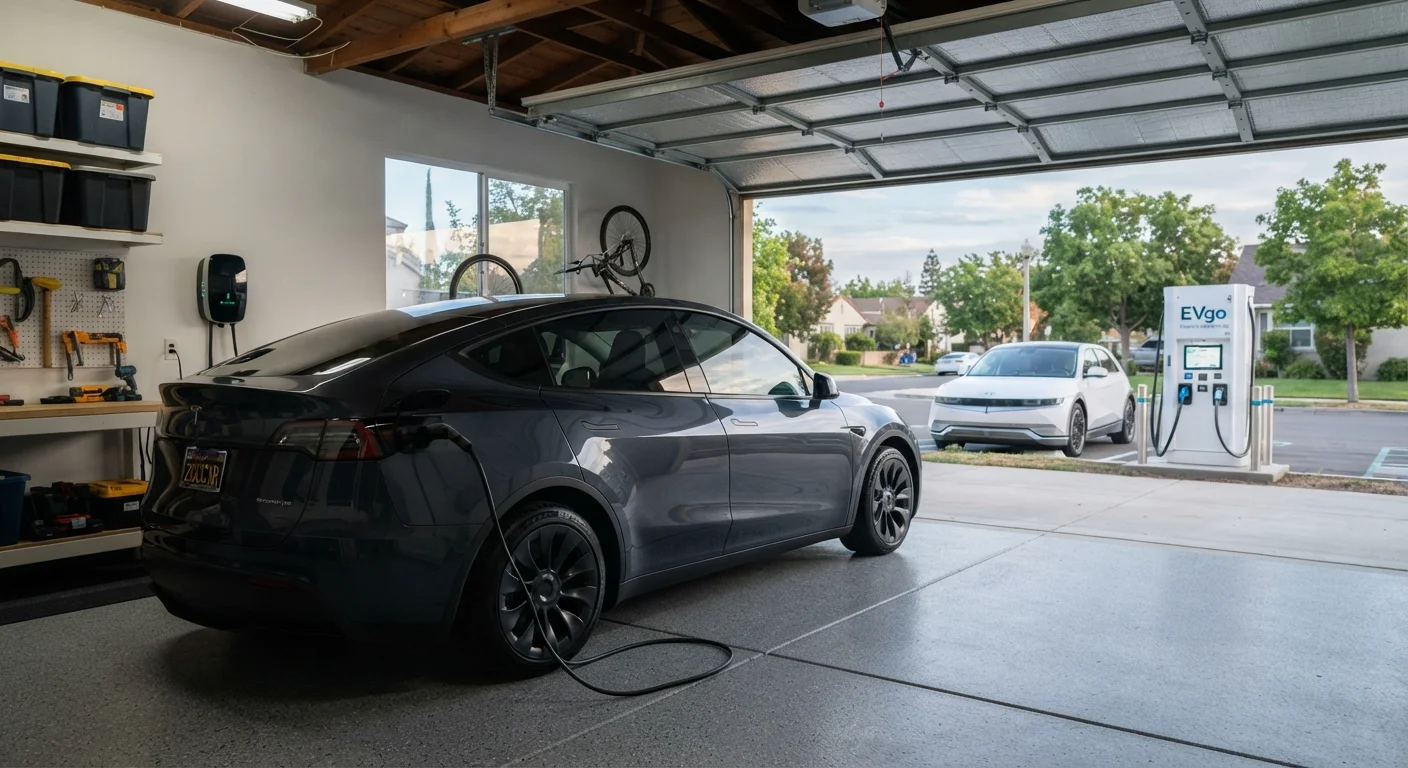
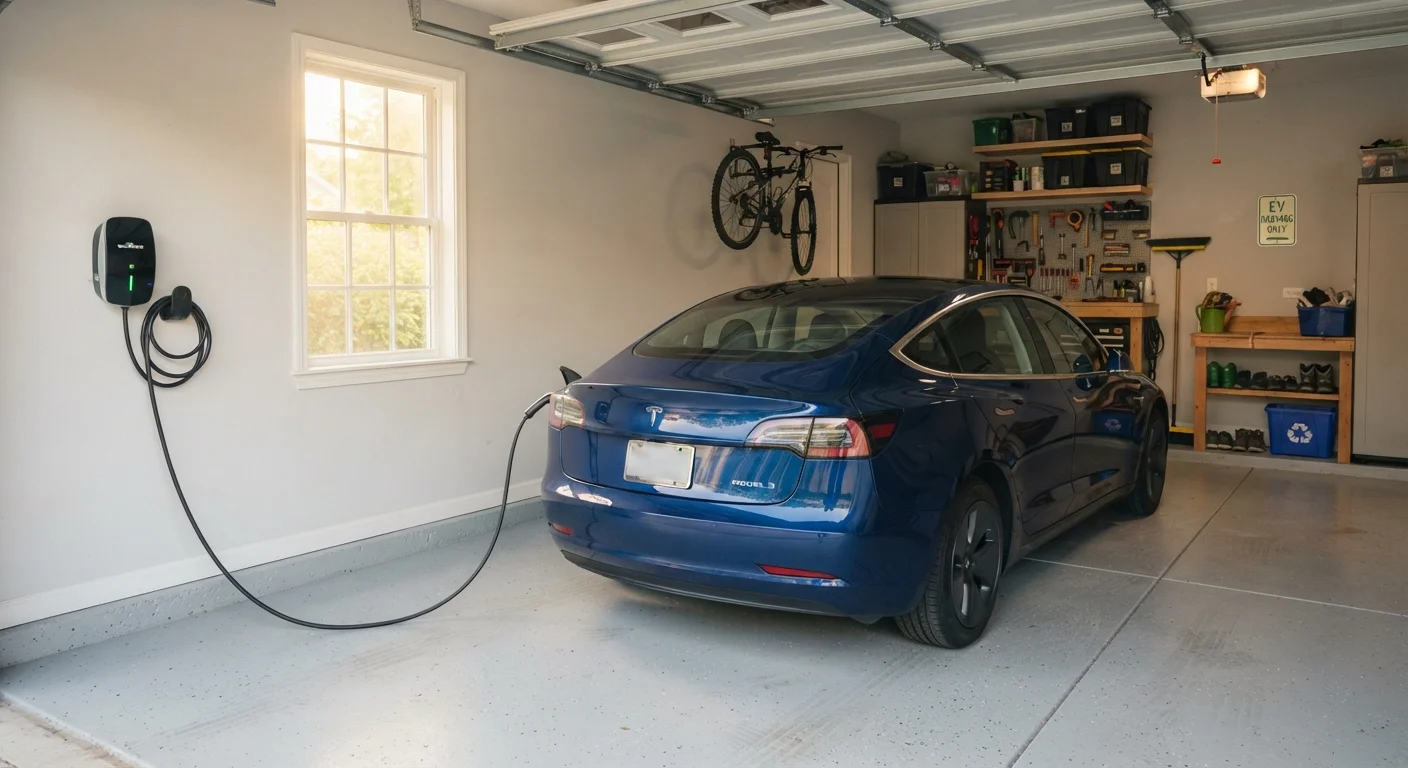
More EV ownership frustrations trace back to charging logistics than to any other cause. Charging at home overnight is the dominant pattern for most US EV drivers - it's convenient, typically cheaper than public charging per kilowatt-hour, and eliminates most range anxiety on routine days. But home charging requires the right physical and electrical setup.
Don't Assume a Standard Outlet Is Sufficient
A standard 120V household outlet (Level 1 charging) adds roughly 3-5 miles of range per hour - adequate for very low-mileage drivers but impractical for most households. Before dismissing a Level 2 installation as unnecessary, calculate whether Level 1 alone can reliably replenish your typical daily mileage overnight. For most drivers covering 30 or more miles per day, it cannot.
If home charging isn't feasible - renters without dedicated parking, condo residents with no charging provisions, or households where the electrical panel can't support an upgrade - the calculus changes. Some drivers successfully rely on workplace or public charging, but this requires honest assessment of your specific commute and daily schedule. Our deeper guide on EV charging at home and on the road explains Level 1, Level 2, and DC fast charging in plain terms.
Costs, Incentives, and Financial Realism
EVs typically carry a higher purchase price than comparable gas-powered vehicles, though the gap has been narrowing. Operating costs - electricity, less frequent maintenance - often run lower over time, but the math depends heavily on local electricity rates, how many miles you drive annually, and how long you keep the vehicle.
Incentive Rules Change - Verify Before You Buy
Federal EV tax credit eligibility is subject to legislative change, and income caps, vehicle price limits, and assembly-location requirements have all shifted in recent years. Do not assume a vehicle qualifies or that you qualify based on prior-year information. Always verify current rules directly on IRS.gov and consult a licensed tax professional before making a purchase decision based on expected incentive savings.
Federal tax credits and state-level rebates can offset purchase costs, but eligibility depends on factors including your income, the vehicle's price and assembly location, and the structure of the incentive program. Rules change, and the details are complex. For a clear explanation of how these programs generally work, see our overview of federal and state EV incentives. For a fuller picture of what EV ownership actually costs over time, the real costs of owning an electric car is worth reading before you decide.
This article is for general informational purposes only and does not constitute financial, tax, legal, or purchasing advice. Incentive eligibility, costs, and vehicle availability vary by individual circumstances, location, and time. Consult a qualified financial or tax professional regarding your specific situation before making significant financial decisions.