
The Core Technology: Battery, Motor, and Controller
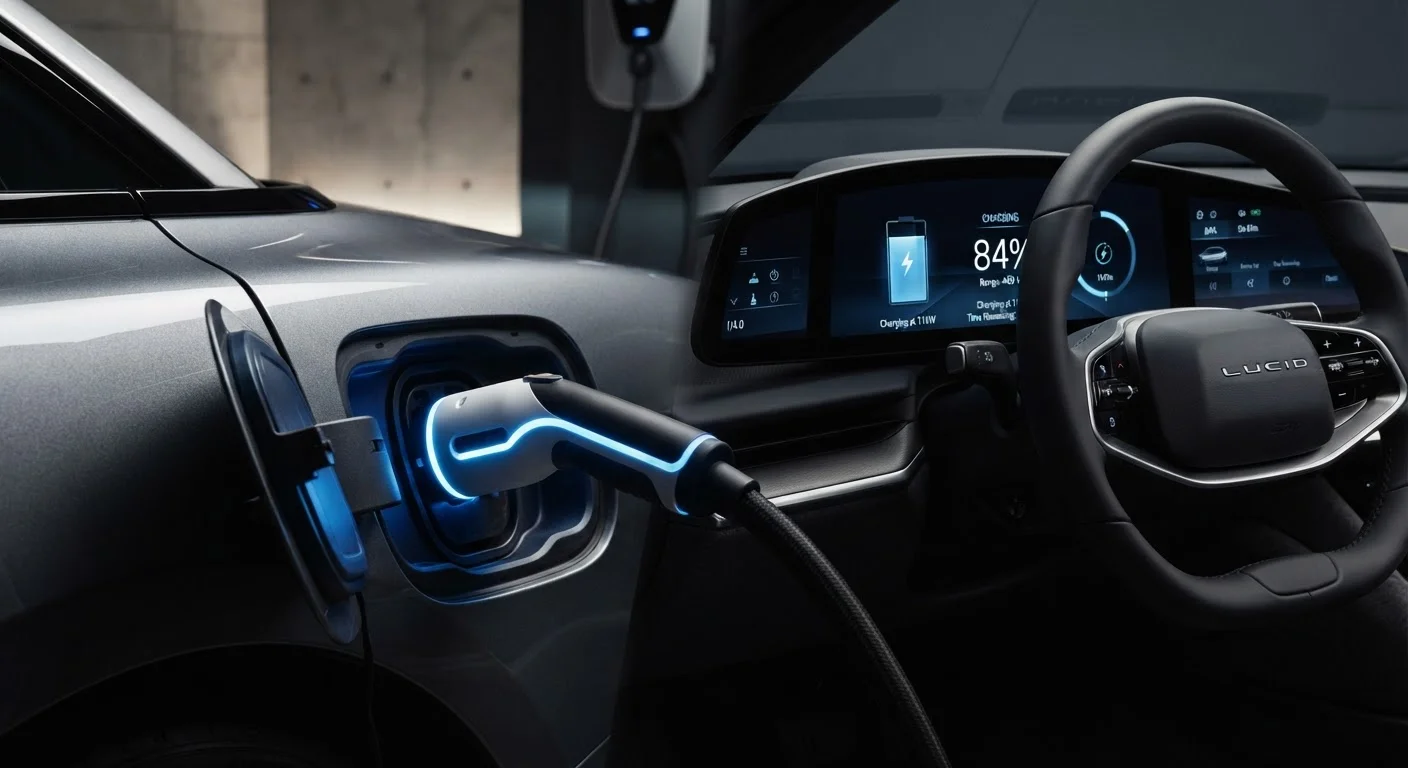
A conventional gasoline car stores energy as liquid fuel and burns it inside an engine. An electric vehicle stores energy as electricity in a large battery pack - typically mounted flat under the floor - and releases it on demand to one or more electric motors. A third critical component, the power electronics controller, acts as the brain between the battery and motor, regulating how much power flows and in which direction.
Electric motors work by using electromagnetic fields to generate rotational force. This process is extremely efficient: most EV motors convert more than 85-90% of electrical energy into motion, compared with roughly 20-40% for a typical combustion engine. The result is that less energy is wasted as heat, and the vehicle responds quickly even at low speeds.
The battery pack is measured in kilowatt-hours (kWh) - the same unit used on your electricity bill. A larger kWh rating generally means greater driving range, though weight, aerodynamics, and driving behavior all influence real-world results. For a plain-English guide to these terms, see our EV glossary.
85-90%
Energy efficiency of a typical EV electric motor
Compared with roughly 20-40% for a conventional internal combustion engine, according to the US Department of Energy.
200-350 mi
Typical EPA-rated range for current EV models
Range varies by model, battery size, temperature, and driving habits; EPA ratings represent standardized test conditions.
~80%
Share of EV charging that occurs at home
According to the US Department of Energy's Alternative Fuels Data Center, most EV owners primarily charge their vehicles at home overnight.
Charging: The Replacement for Refueling
Instead of pulling into a gas station, EV owners replenish their vehicle's energy by plugging into an electrical source. There are three standard charging levels in the US:
- Level 1: A standard 120-volt household outlet. Convenient but slow - suitable mainly for overnight top-ups or low-mileage drivers.
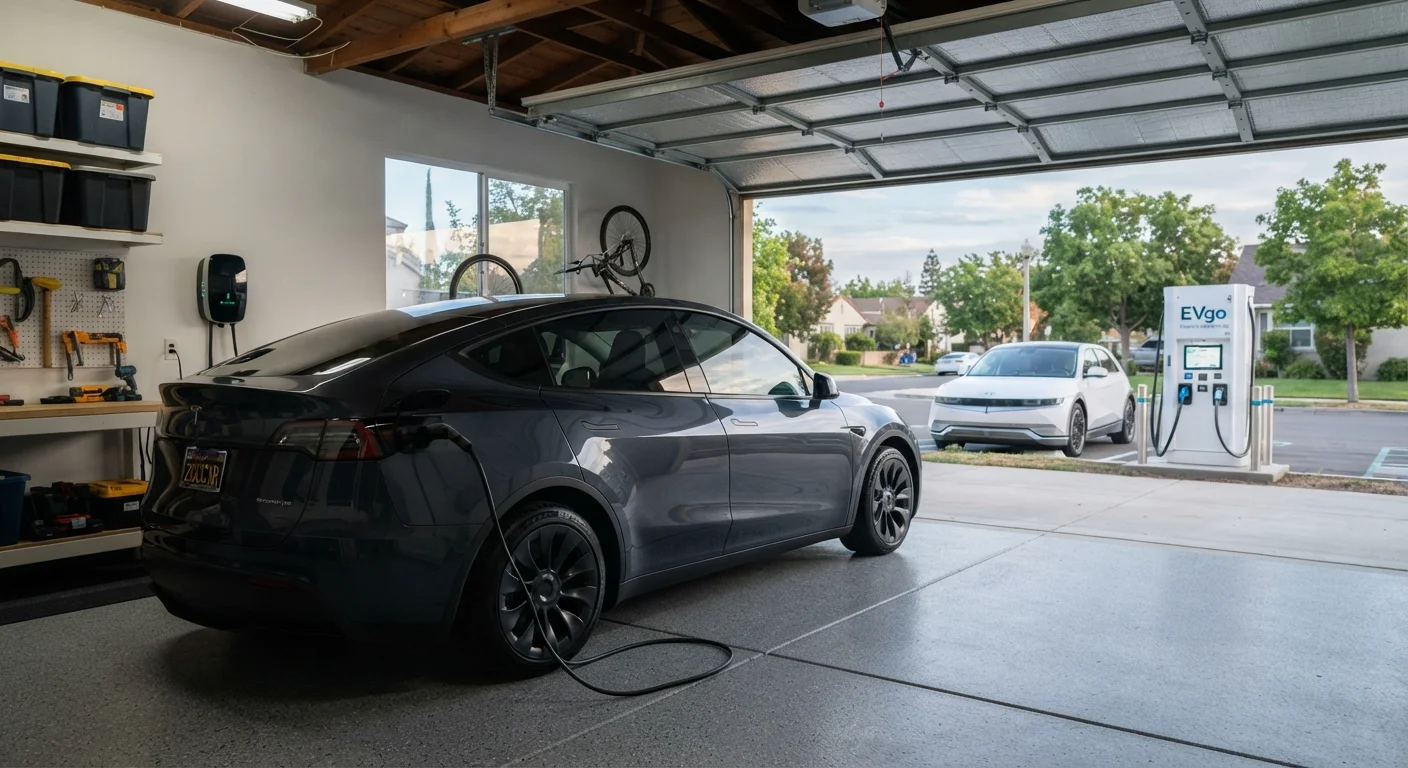
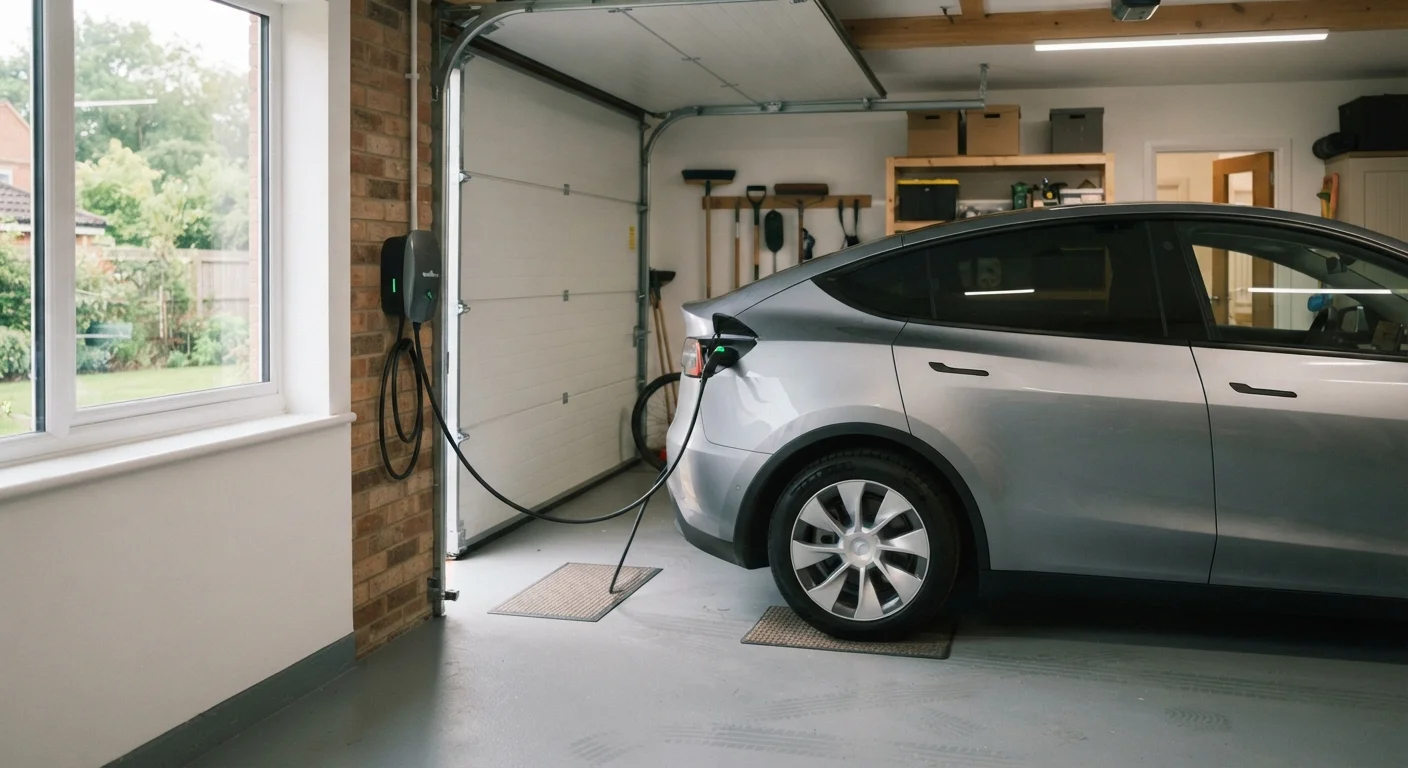
- Level 2: A 240-volt circuit, similar to a home dryer outlet. Most EV owners install a Level 2 charger in the garage for daily use. This adds roughly 15-30 miles of range per hour of charging.
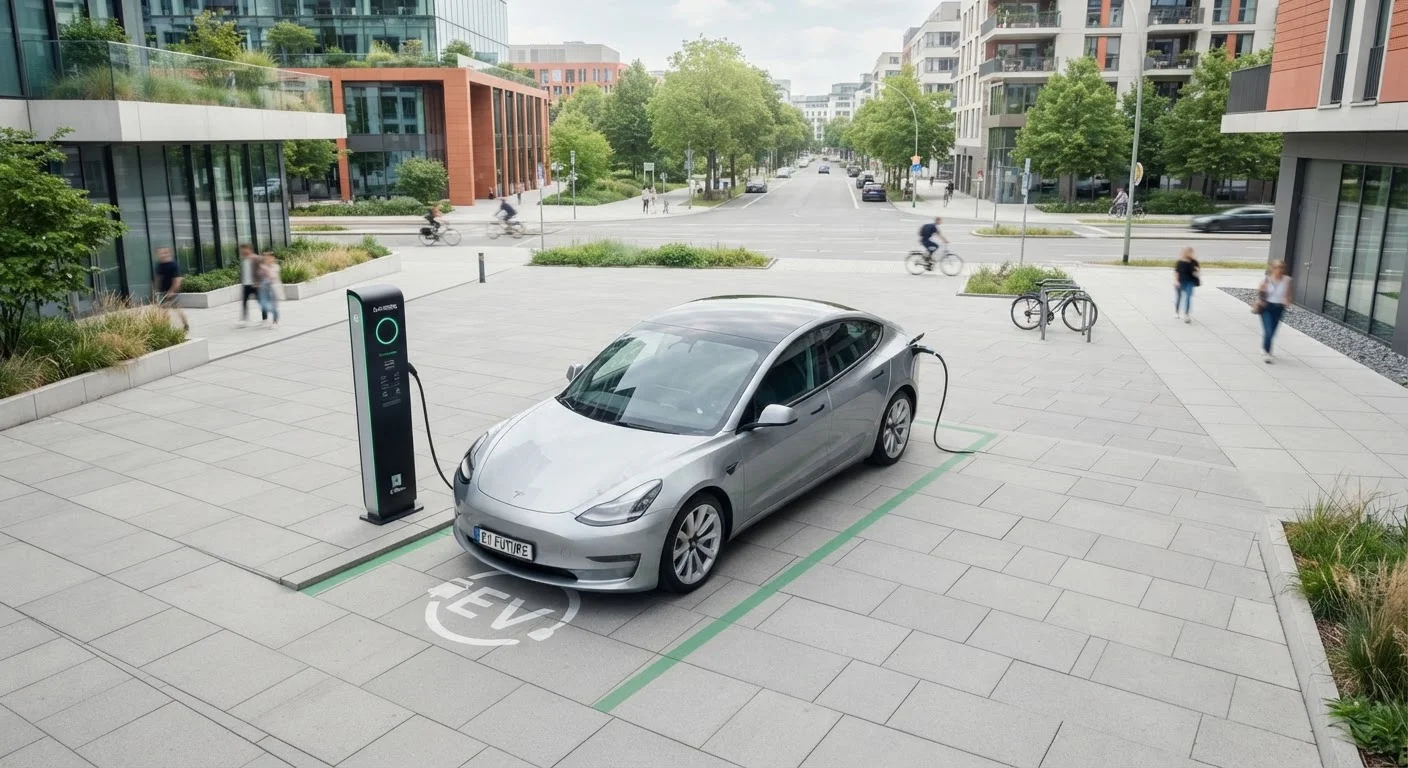
- DC Fast Charging: High-power public stations that bypass the vehicle's onboard charger and deliver electricity directly to the battery at much higher speeds. These are found along highways and in commercial areas.
The practical experience of charging differs significantly from fueling up. Most drivers charge at home overnight and arrive at each day fully charged - similar to how you charge a phone. For a complete look at what to plan for, see our charging guide for new EV owners.
Start With a Home Charging Assessment
Before purchasing an EV, check whether your home's electrical panel can support a Level 2 charger installation. A licensed electrician can assess the panel capacity and estimate installation cost. Many utility companies also offer rebates or incentives for home EV charger installation - contact your local utility to ask what programs are available.
Regenerative Braking and Fewer Moving Parts
One of the most distinctive features of an EV is regenerative braking. When you lift off the accelerator or press the brake pedal, the electric motor reverses roles and acts as a generator - converting the vehicle's forward momentum back into electricity that goes back into the battery. This improves range and reduces wear on conventional brake pads.
EVs also have fundamentally fewer mechanical components than combustion vehicles. There is no multi-speed transmission (most EVs use a single-speed reduction gear), no fuel injectors, no timing belts, and no exhaust system. This structural simplicity is often cited as a reason EVs may require less frequent mechanical maintenance over time - though battery health and tire wear remain considerations.
To understand how EV ownership costs compare to conventional vehicles over time, see our breakdown of real EV ownership costs.
How EVs Differ From Plug-In Hybrids
Not every electrified vehicle is a true battery-electric vehicle (BEV). A plug-in hybrid electric vehicle (PHEV) combines a battery and electric motor with a conventional gasoline engine. PHEVs can drive short distances on electricity alone, then switch to gasoline for longer trips. A standard hybrid (like earlier hybrid sedans) uses a much smaller battery and cannot be plugged in at all - it only recharges through regenerative braking and the engine.
The distinction matters for daily life: a pure EV requires a charging plan but produces zero tailpipe emissions; a PHEV offers a safety net but still depends on gasoline for extended range. If you're weighing these options, our comparison of all-electric vs. plug-in hybrid powertrains walks through the trade-offs in detail.
“The electric motor is one of the most efficient machines ever built for converting energy into motion. Combining that with modern battery technology creates a fundamentally different kind of vehicle.”
— US Department of Energy, Office of Energy Efficiency and Renewable Energy - Vehicle Technologies Office
This article is for general informational purposes only and does not constitute purchasing, financial, or legal advice. Specifications, incentives, and regulations vary by state and are subject to change. Consult qualified professionals and official sources for decisions specific to your situation.