
The Landscape of EV Incentives in the United States
Financial incentives for electric vehicles exist at multiple levels: federal, state, and utility. Each operates independently, with its own eligibility requirements, funding limits, and application processes. For a consumer exploring an EV purchase, the landscape can feel confusing - but the underlying structure is straightforward once you understand the distinctions.
If you're new to how electric vehicles work, our overview of EV technology is a useful starting point. For a broader look at what you'll actually pay, see the real costs of EV ownership.
Up to $7,500
Federal Clean Vehicle Credit for new EVs
Per the Inflation Reduction Act, subject to vehicle price caps, battery sourcing rules, and buyer income limits.
Up to $4,000
Federal credit for qualifying used EVs
The Used Clean Vehicle Credit applies to pre-owned EVs purchased through a licensed dealer, with income and price eligibility thresholds.
30+
States with some form of EV incentive program
According to the U.S. Department of Energy's Alternative Fuels Data Center, most but not all states offer at least one EV-related financial incentive.
How the Federal Clean Vehicle Credit Works
The primary federal incentive for new EVs is the Clean Vehicle Credit, established under the Inflation Reduction Act. As of its implementation, it offers up to $7,500 for qualifying new electric vehicles. However, several conditions must all be met simultaneously:
- Vehicle price caps: SUVs, vans, and trucks must have an MSRP at or below $80,000; other vehicles must be at or below $55,000.
- Income limits: Modified adjusted gross income thresholds apply - buyers above certain limits are ineligible, regardless of the vehicle.
- Battery sourcing requirements: Portions of the credit depend on where the battery components and critical minerals were sourced and assembled, which affects the amount a specific vehicle qualifies for.
- Point-of-sale transfer: Since 2024, eligible buyers can transfer the credit to a dealer at purchase, reducing the out-of-pocket cost immediately rather than waiting for a tax filing.
A separate Used Clean Vehicle Credit - worth up to $4,000 - applies to qualifying pre-owned EVs purchased through a licensed dealer, also subject to income and price eligibility rules.
Verify Vehicle Eligibility Before You Negotiate
Not every EV qualifies for the full federal credit - or any amount at all. Before entering purchase negotiations, check the vehicle's eligibility using the IRS's official list of qualifying vehicles or the U.S. Department of Energy's Alternative Fuels Data Center. Assumptions about which vehicles qualify have led buyers to unexpected surprises at tax time.
State-Level Programs: Rebates, Credits, and More
State incentives vary more than federal ones. Some states offer direct rebates - meaning a payment back to the buyer - while others provide state income tax credits that function similarly to the federal model. A handful of states have no EV-specific financial programs at all.
Common state program types include:
- Purchase rebates: A fixed dollar amount back after buying or leasing an EV, sometimes income-tested to prioritize lower-income households.
- State tax credits: Similar to the federal credit but applied against state income tax liability.
- HOV lane access and fee waivers: Some states offer non-monetary benefits like toll discounts or access to carpool lanes, which have real financial value over time.
State programs are subject to funding caps and can close mid-year when funds are exhausted. The most reliable source for current availability is your state's energy office or department of motor vehicles.
Utility Company Incentives: An Overlooked Layer
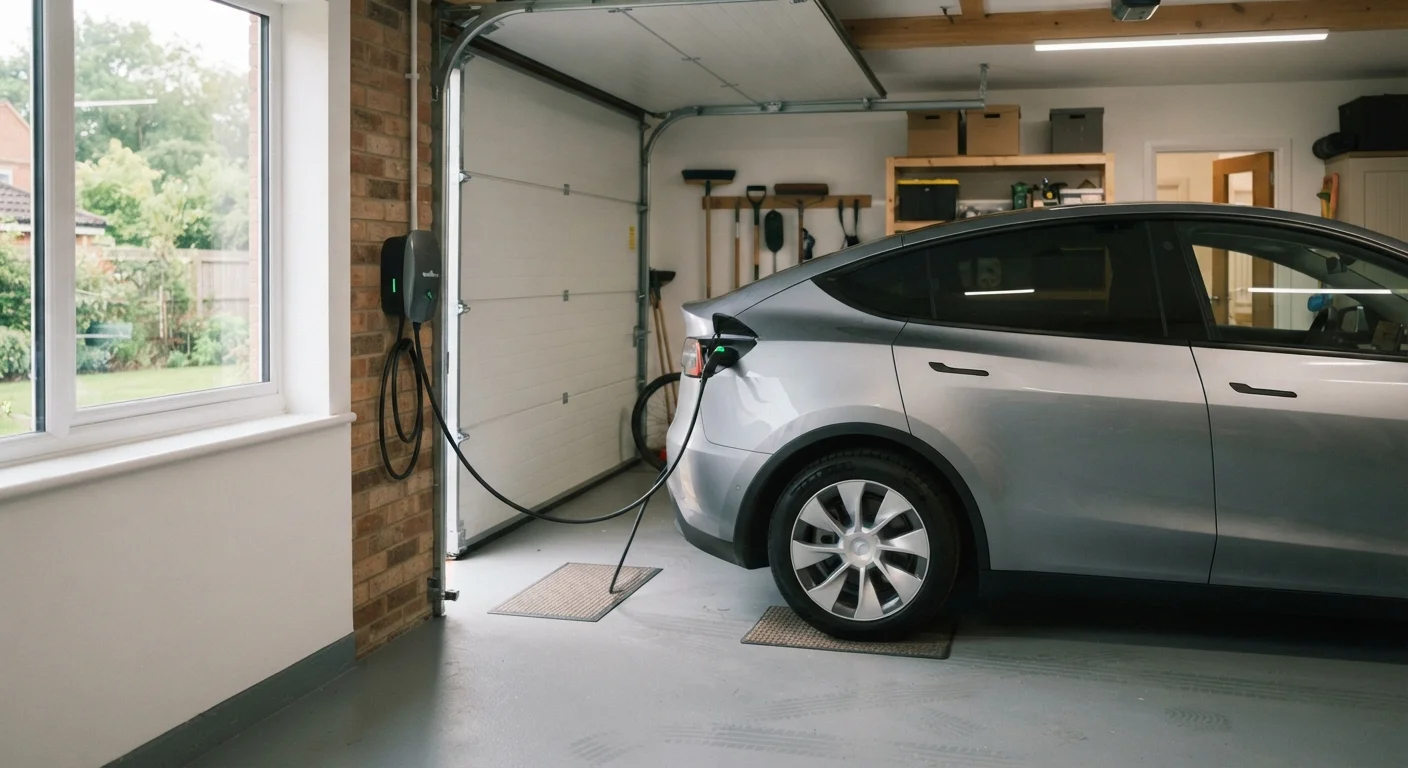
Many electric utilities offer their own EV-related incentives, separate from government programs. These commonly include rebates on home charging equipment installation, reduced electricity rates for overnight EV charging (often called time-of-use rates), and bill credits for EV owners.
These programs differ by utility and region, so a consumer in one part of a state may have access to incentives unavailable to someone served by a different utility. Checking directly with your electricity provider is the only way to know what's available where you live.
For more on home charging setup - which often qualifies for these utility incentives - see our guide on EV charging at home and on the road.
Time-of-Use Rates Can Add Up Over Time
Many utilities offer lower electricity rates during off-peak hours - typically overnight - specifically for EV charging. While this isn't a one-time rebate, the cumulative savings over months and years of overnight charging can be substantial. Ask your utility provider whether a time-of-use rate plan is available in your area before defaulting to a standard rate.
Using Incentives as Part of Your Decision-Making Process
EV incentives can meaningfully reduce the cost of going electric, but they shouldn't be the only factor in a purchase decision - and they should never be assumed without verification. Eligibility rules change, funding runs out, and the specifics depend heavily on your income, tax situation, location, and the vehicle you choose.
Before committing, work through the practical readiness questions covered in our EV readiness checklist, which includes a section on incentive research. And if the terminology in incentive program descriptions feels unfamiliar, our EV glossary defines the key terms you'll encounter.
This article is for general informational and educational purposes only. It is not personalized financial, tax, or legal advice. Incentive rules, amounts, and eligibility requirements change frequently. Consult a qualified tax professional or financial adviser regarding your specific situation, and verify current program details with official government and utility sources before making any purchase decision.
“Incentives are a policy tool, not a guarantee. Their value to any individual buyer depends entirely on that person's tax situation, location, and the specific vehicle they choose. Generalizations can mislead as often as they inform.”
— U.S. Department of Energy, Alternative Fuels Data Center, Federal resource on alternative vehicle incentives and infrastructure