
The Core Difference: How Each Powertrain Works
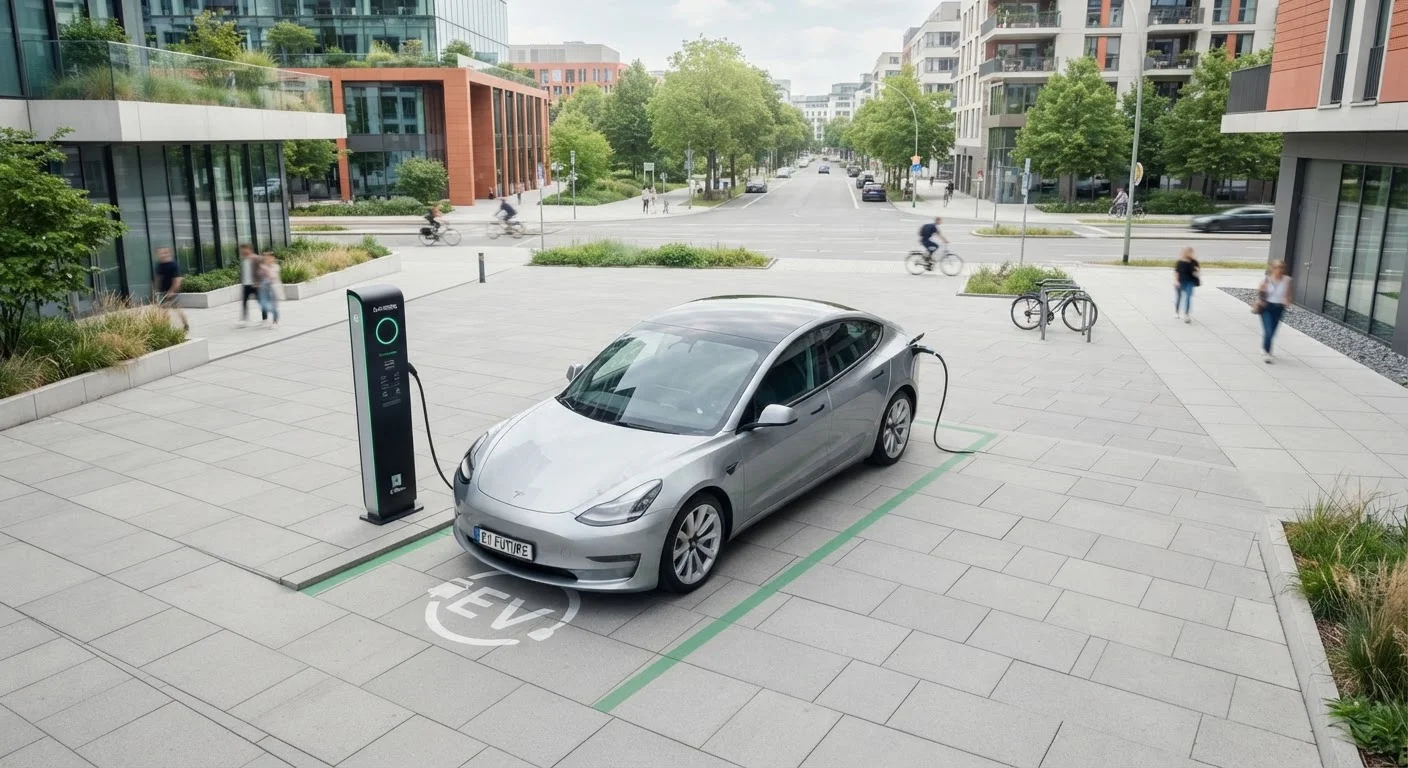
A battery electric vehicle (BEV) - commonly called an all-electric car - runs entirely on electricity stored in a large onboard battery pack. There is no gasoline engine, no exhaust pipe, and no trips to the fuel pump. The car is powered by one or more electric motors and recharged by plugging into an electrical outlet or charging station. For a plain-language explanation of the underlying technology, see our guide to how electric vehicles work.
A plug-in hybrid electric vehicle (PHEV) pairs a smaller battery - typically sized for 20 to 50 miles of electric-only driving - with a conventional gasoline engine. When the battery is depleted, the vehicle seamlessly switches to, or blends in, the combustion engine. PHEVs can be recharged by plugging in, just like a BEV, but they never strand you if a charger isn't nearby.
That fundamental architecture difference cascades into practically every consideration: range, refueling logistics, operating costs, and environmental impact.
| Criterion | All-Electric (BEV) | Plug-In Hybrid (PHEV) |
|---|---|---|
| Power source | Battery only - no gasoline engine | Battery + gasoline engine |
| Typical electric range | 200-350+ miles | 20-50 miles electric only |
| Refueling options | Electric charging only | Plug in or pump gasoline |
| Tailpipe emissions | Zero direct emissions | Zero in EV mode; emissions when engine runs |
| Routine maintenance complexity | Lower - no oil changes, simpler drivetrain | Higher - two powertrains to maintain |
| Home charging dependency | High - strongly benefits from home charging | Moderate - gasoline backup reduces dependency |
| Long-trip flexibility | Requires charger planning along route | Gas stations available nationwide |
| Fuel cost potential | Lower per-mile cost when charging at home | Varies by how often battery is charged and used |
Range, Charging, and the Infrastructure Reality
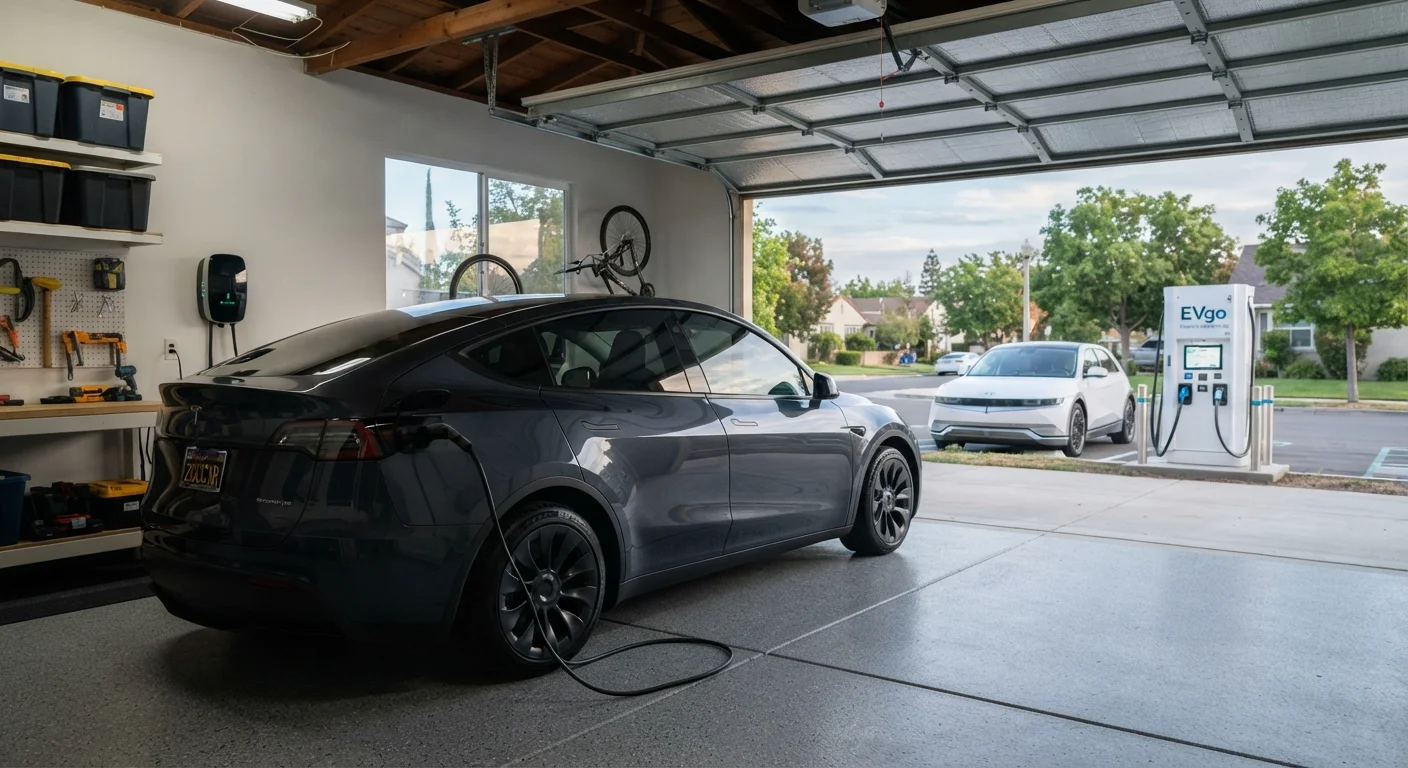
Modern BEVs in the US market commonly deliver 200 to 350 miles of range on a full charge, with some longer-range configurations exceeding that. But the question isn't just how far the car can go - it's how easily you can replenish that range. Home charging (a Level 2 outlet installed in your garage) is the most convenient solution, turning overnight hours into a full battery every morning. Our charging overview explains Level 1, Level 2, and DC fast charging in practical terms.
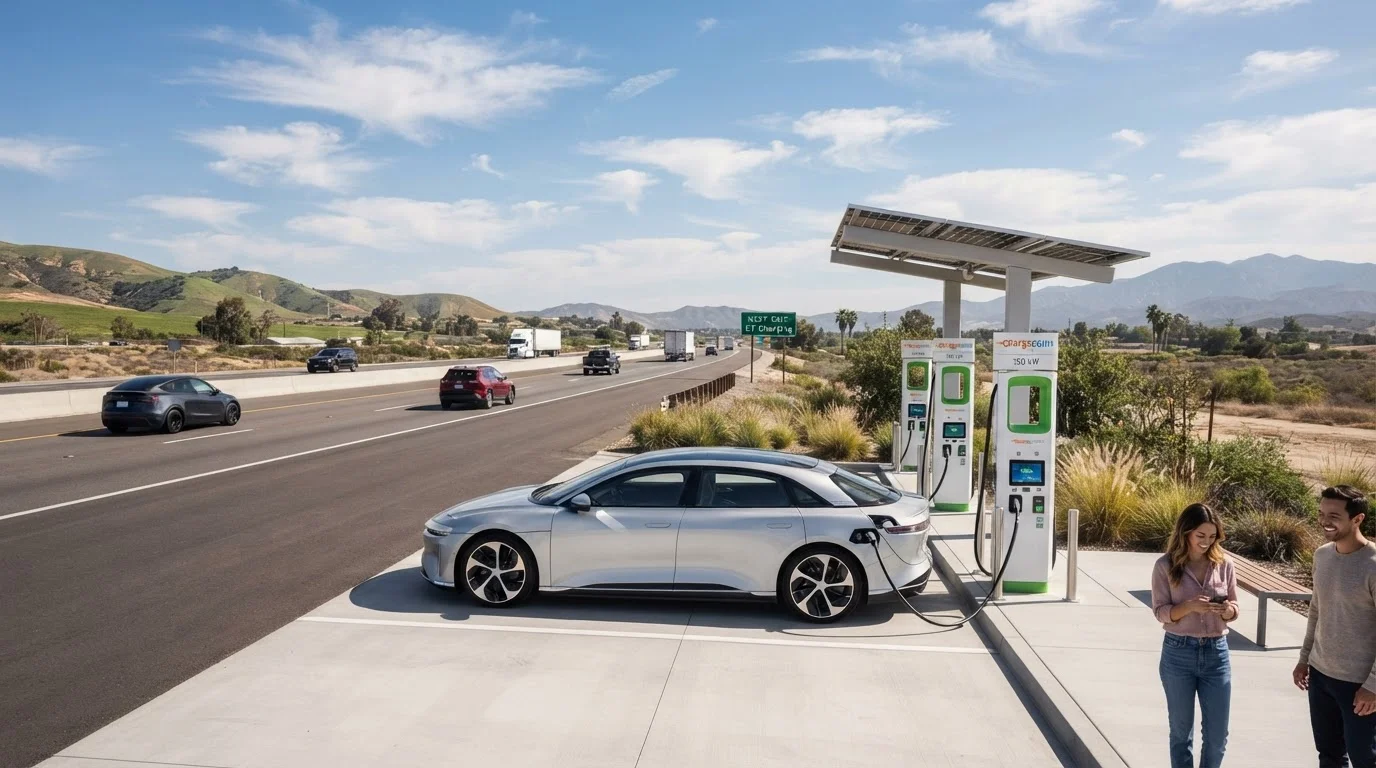
PHEVs sidestep the charging infrastructure question on long trips. Once the electric range is exhausted, you fill up at any gas station. For drivers who travel frequently between cities or live in rural areas where public fast chargers are sparse, that flexibility is genuinely meaningful - not just psychological reassurance.
~91%
US EV owners who charge primarily at home
According to the US Department of Energy's Alternative Fuels Data Center, the vast majority of electric vehicle charging in the US takes place at home rather than at public stations.
20-50 mi
Typical PHEV electric-only range
Most plug-in hybrids available in the US market offer between 20 and 50 miles of all-electric driving before the gasoline engine activates, covering the majority of average American daily commutes.
~37 mi
Average US daily driving distance
The Federal Highway Administration reports that the average American drives roughly 37 miles per day - a distance well within the electric range of most PHEVs and a small fraction of a BEV's full charge.
Range anxiety - the worry of running out of charge - is one of the most discussed concerns about BEVs. The evidence suggests it's often overstated for urban and suburban drivers who charge at home, but it's a legitimate consideration for those without reliable charging access. Our article on common EV misconceptions separates the myths from the data.
Cost Considerations: Purchase Price, Fuel, and Maintenance
Both BEVs and PHEVs tend to carry higher sticker prices than comparable non-electrified vehicles, though the gap has been narrowing. Federal tax incentives - and in some states, additional credits - may reduce the effective purchase cost, but eligibility depends on your income, the vehicle's final assembly location, and other factors that change with tax law. Consult a qualified tax professional to understand how incentives apply to your specific situation.
On operating costs, BEVs typically have the edge for drivers who charge primarily at home, where electricity is significantly cheaper per mile than gasoline. They also have fewer moving parts - no oil changes, no transmission fluid, no exhaust system - which tends to lower routine maintenance costs over time. For a thorough breakdown of what electric ownership actually costs, see our real costs of owning an electric car analysis.
PHEVs offer fuel savings proportional to how much you drive on electricity. A driver who tops up the battery daily and rarely exceeds the electric range may use very little gasoline. A driver who rarely plugs in - or routinely takes long trips - will find the fuel savings modest, while still carrying the added weight and complexity of two powertrains.
Federal Tax Incentives: A Moving Target
Federal EV tax credits under the Inflation Reduction Act apply to both BEVs and some PHEVs, but eligibility rules are specific and have changed over time - covering factors like vehicle assembly location, battery sourcing, and buyer income limits. The credit amount and qualifying vehicles can change with regulatory updates. Always verify current eligibility through the IRS or a qualified tax adviser before factoring incentives into your budget.
Is Your Life Set Up for Either One?
Powertrain choice is less about the car and more about your circumstances. Key questions to work through before deciding:
- Do you have reliable home charging access? A BEV is most practical when you can charge overnight. Apartment dwellers or those without dedicated parking face a higher dependency on public infrastructure.
- What does your typical week of driving look like? If most days are under 40-50 miles, a PHEV's electric range may cover the majority of your driving. If you routinely exceed 200+ miles in a day, a BEV with DC fast charging capability may still serve you well, but requires more planning.
- Do you take frequent long road trips? PHEV owners can fill up anywhere. BEV owners need to plan routes around fast charger locations - a manageable task, but a real one.
- How important is simplicity? BEVs have fewer systems to maintain. PHEVs require attention to both a battery and a combustion drivetrain.
Our EV readiness checklist walks through these questions in detail and is worth reviewing before you commit to either powertrain.
This article provides general educational information about vehicle powertrains and is not personalised financial, tax, or purchasing advice. Incentive eligibility, total costs, and vehicle availability vary. Consult a licensed professional for guidance specific to your situation.