
Why Car Safety Myths Persist
Many car safety myths survive because they contain a kernel of logic - or because they were once partially true. Automotive technology changes faster than public understanding does. What drivers learned from a parent, saw in a movie, or assumed based on common sense can calcify into habits that today's evidence contradicts.
The myths addressed here are widely held across the United States and have real consequences on the road. Correcting them is not about blaming drivers - it's about giving everyone more accurate tools for making daily decisions behind the wheel. If you're also reconsidering other assumptions about your vehicle, common misconceptions about electric vehicles follow a similar pattern of outdated beliefs outpacing the current evidence.
Myth
Airbags will protect me in a crash even if I'm not wearing a seatbelt.
Fact
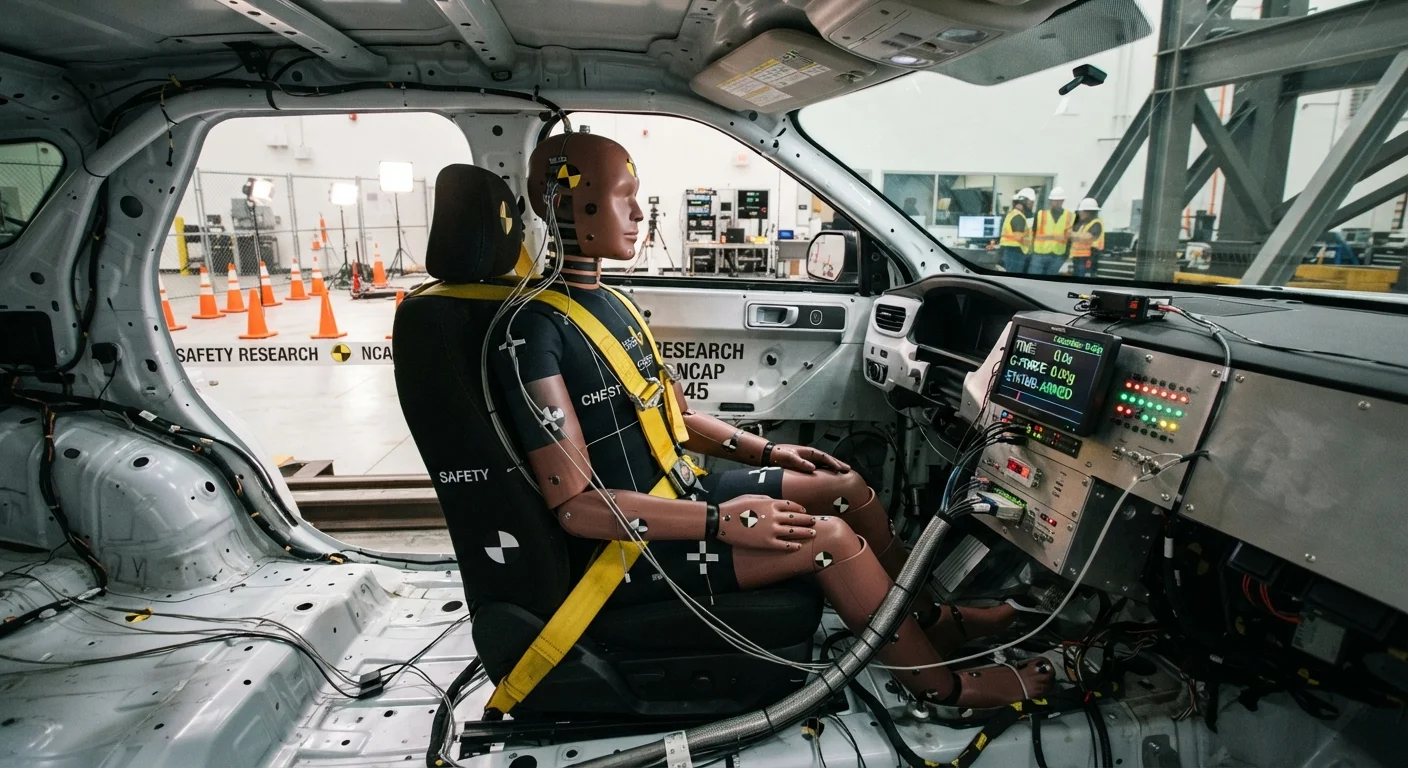
Airbags are a supplemental restraint - they are engineered to work in combination with a seatbelt, not independently.
Without a seatbelt, an unrestrained occupant can slide under or be thrown into a deploying airbag at speeds exceeding 100 mph. That force can cause severe head, neck, and chest injuries rather than preventing them. The NHTSA consistently reports that seatbelts are the single most effective protective device in a vehicle, reducing fatal injury risk for front-seat passenger car occupants by about 45 percent. Airbags add meaningful additional protection - but only when a seatbelt is already doing its job.
Myth
A phone mounted on the dashboard is as safe as not using a phone at all.
Fact
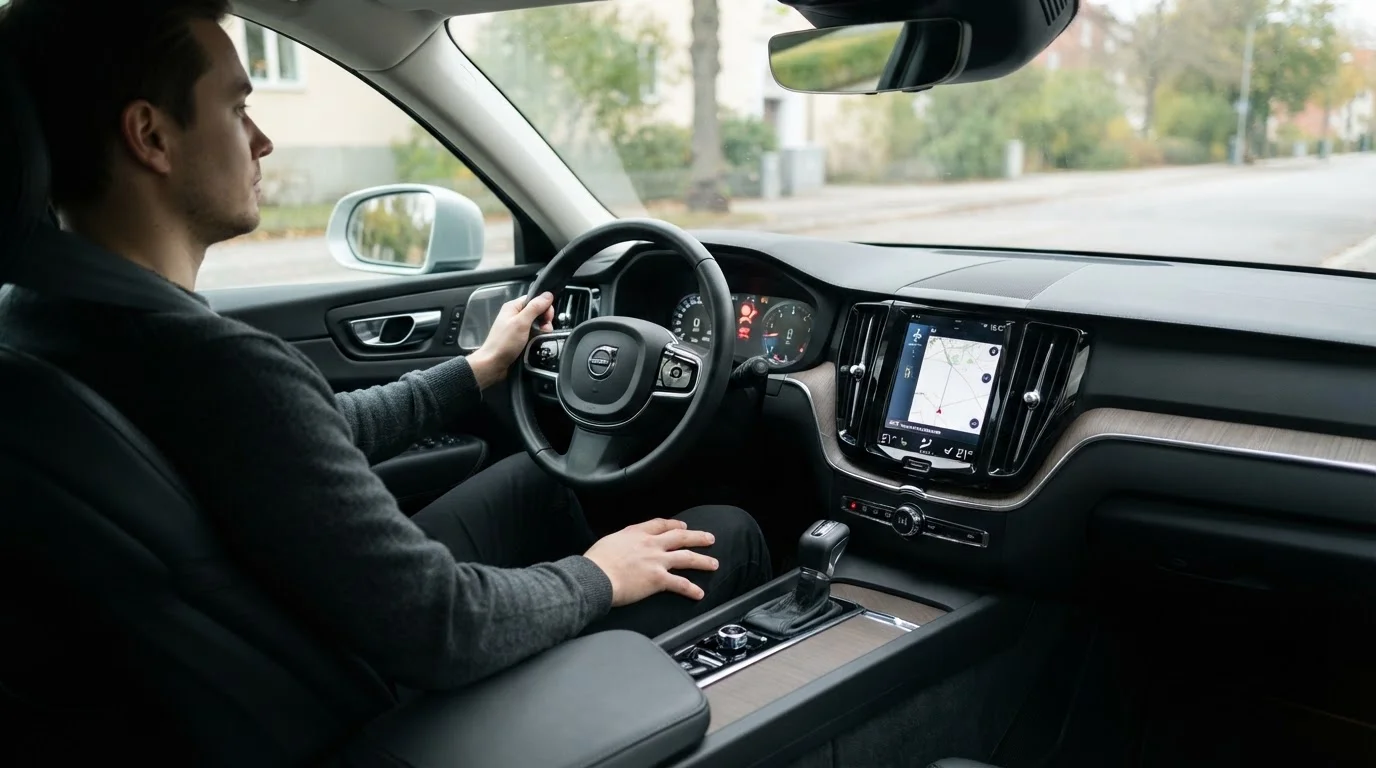
Hands-free and mounted phone use still creates significant cognitive distraction and elevated crash risk.
Research from the AAA Foundation for Traffic Safety found that voice-based interactions - including navigation commands and calls - can leave drivers mentally distracted for up to 27 seconds after completing a task. At 25 mph, that's enough time to travel the length of nearly three football fields with reduced situational awareness. A mounted phone eliminates manual distraction but does not eliminate cognitive load. For the lowest distraction risk, completing any phone interaction before driving or while parked remains the safest practice.
Myth
Four-wheel drive (4WD) means I can drive faster and brake safely in snow or ice.
Fact
4WD improves traction for acceleration and cornering but has no effect on braking distance.
4WD and AWD systems distribute engine power to all four wheels, helping a vehicle move through slippery conditions. However, braking is governed by tire-to-road friction, which is the same for 4WD vehicles as for two-wheel-drive vehicles on the same surface. A driver who overestimates their stopping ability in winter conditions is at greater risk, not less. Winter tires - not drivetrain configuration - have the greatest measurable impact on stopping distances in snow and ice.
Myth
A larger, heavier vehicle is always safer in a crash.
Fact
Vehicle size is one safety factor among many; structural design, crash management systems, and safety features matter equally.
Modern vehicle safety engineering has narrowed the gap between larger and smaller vehicles considerably. Smaller cars with advanced crumple zones, electronic stability control, and high crash-test ratings often outperform older or poorly engineered larger vehicles. The IIHS and NHTSA both use rigorous independent testing that captures this nuance. Understanding those ratings is more useful than relying on size alone - see our guide to NHTSA and IIHS crash-test scores for a full breakdown.
Myth
Keeping one car length of distance per 10 mph is always a safe following rule.
Fact
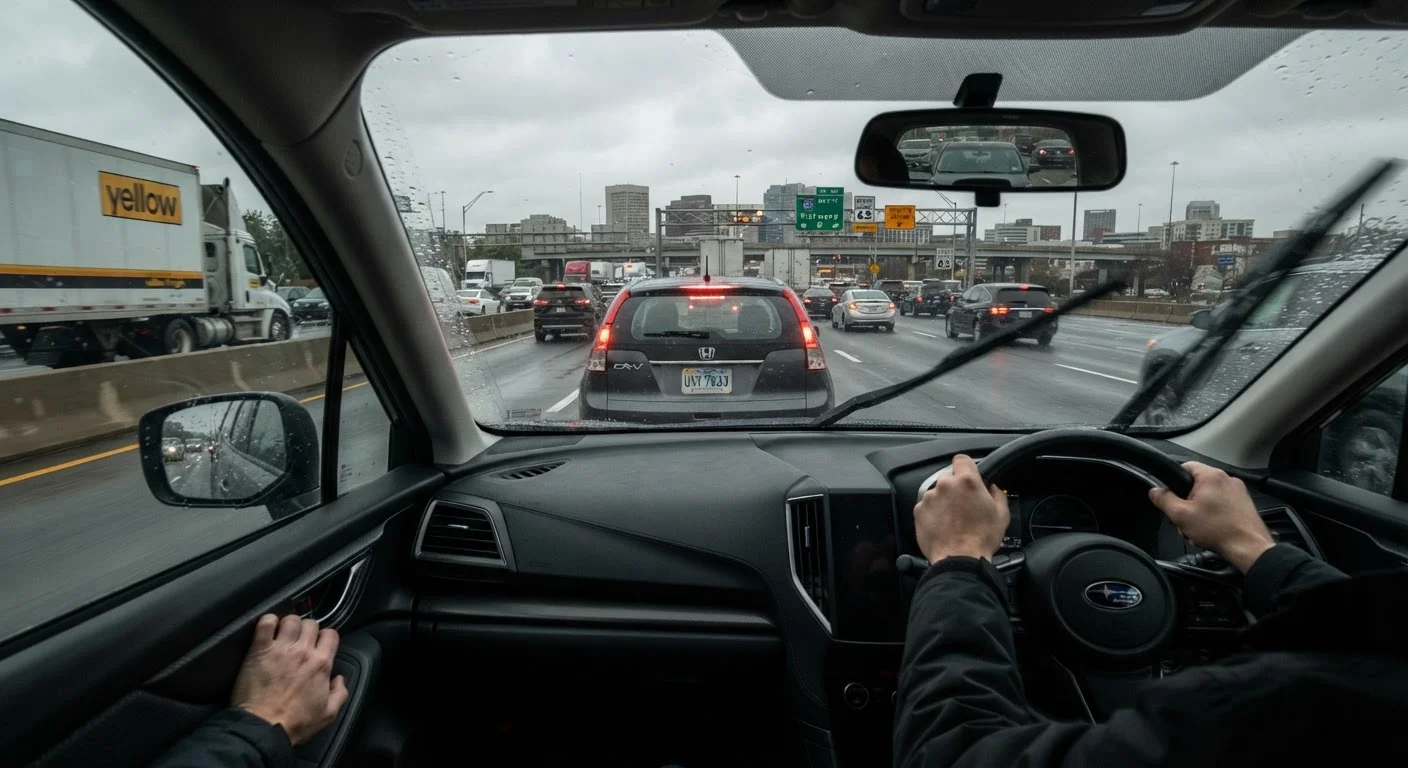
The two-second rule - measured in time, not car lengths - is the widely accepted minimum, and more space is better at highway speeds.
Car lengths vary widely between vehicles, making distance-based rules inconsistently applied in practice. The two-second rule (choose a fixed point ahead; the vehicle in front should pass it at least two seconds before you do) gives a consistent, speed-adjusted gap. At highway speeds or in adverse weather, safety experts recommend three to four seconds or more. Tailgating is one of the leading contributors to rear-end collisions - learn more about the physics of following distance.
Myth
If I feel fine after a minor fender-bender, I don't need to worry about injuries.
Fact
Many collision-related injuries - particularly soft-tissue and whiplash injuries - are delayed in onset, sometimes appearing 24 to 72 hours later.
Adrenaline released during and after a crash can mask pain signals, giving occupants a misleading sense of being uninjured. Whiplash, the most common injury from rear-end collisions, frequently produces symptoms hours or days after impact. Medical professionals and insurers generally recommend evaluation after any collision, even low-speed ones, both for health reasons and to establish an accurate record if symptoms emerge later. This is general information only - consult a qualified healthcare provider after any collision for guidance specific to your situation.
Putting Accurate Safety Knowledge to Work
Correcting a myth is only useful if it translates into a changed habit. A few practical implications stand out from the myths above:
- Seatbelts first, every time. No vehicle technology substitutes for consistent belt use.
- Treat hands-free phone use as a reduction in distraction, not an elimination of it. Silence notifications before departure when possible.
- Adjust following distance for conditions, not just habit. Weather, load, and speed all change what a safe gap looks like.
- Seek evaluation after any collision, even when you feel uninjured immediately afterward.
Drivers planning longer journeys should consider how fatigue and complacency compound these risks. Our road trip safety guide for families covers fatigue management and pre-departure vehicle checks that apply to any driver, not just those traveling with children.
4WD Does Not Mean All-Weather Invincibility
Drivers of 4WD and AWD vehicles are sometimes overrepresented in winter weather crashes precisely because they feel more confident at speed. Confidence in acceleration should not translate to confidence in braking. Slow down, increase following distance, and use winter-rated tires when temperatures regularly drop below 45°F - tire compound affects grip far more than drivetrain layout in those conditions.
Technology like backup cameras and blind-spot monitoring are valuable tools, but each covers only a limited field of view. For a clear picture of what modern driving aids actually do - and don't - cover, see our breakdown of blind spots, dashcams, and backup cameras.
This article is for general informational purposes only and does not constitute medical, legal, or personalized safety advice. Consult qualified professionals for guidance specific to your situation.