
Three Technologies, Three Different Jobs
Modern vehicles increasingly come equipped with a range of driver-assistance features. Blind spot monitoring systems, dashcams, and backup cameras are among the most common - but they are frequently misunderstood, and their coverage zones are very different from one another.
Treating any one of them as a comprehensive safety net is a mistake. Each has a specific purpose, a specific blind zone it addresses, and significant limitations that every driver should understand before relying on it. For a broader look at how safety assumptions can go wrong, see our article on common car safety myths.
| Blind Spot Monitoring | Dashcam | Backup Camera | |
|---|---|---|---|
| Primary function | Alerts driver to vehicles in side blind zones | Records video of road for documentation | Displays live rear view when reversing |
| Coverage zone | Lateral and rear-adjacent areas | Forward (sometimes rear) field of view | Directly behind the vehicle |
| Real-time alert | Yes - visual, audible, or haptic | No - passive recording only | Yes - live video feed on screen |
| Active when | Vehicle in motion, forward driving | Engine on (or parked with parking mode) | Reverse gear engaged |
| Federal mandate (US) | No federal requirement | No federal requirement | Required on all new vehicles since 2018 |
| Key limitation | Misses pedestrians, stationary objects | Does not prevent incidents | Limited field of view, degrades in poor conditions |
Blind Spot Monitoring: Watching the Lanes You Can't See
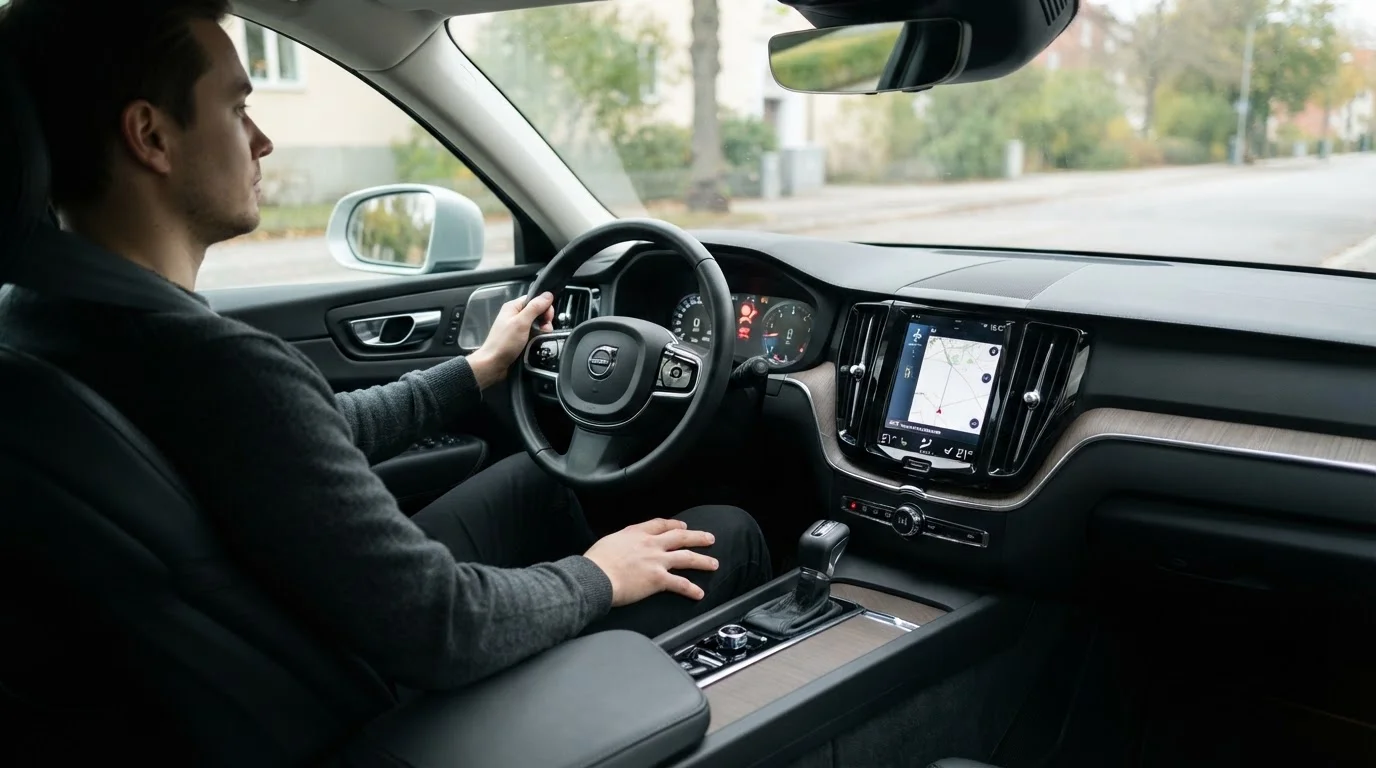
Blind spot monitoring (BSM) uses radar or ultrasonic sensors - typically mounted in the rear bumper - to detect vehicles traveling in the zones beside and slightly behind your car that mirrors don't reliably capture. When another vehicle enters that zone, a visual alert (usually a light in or near the side mirror) activates. Many systems also provide an audible or haptic warning if you activate your turn signal while a vehicle is detected.
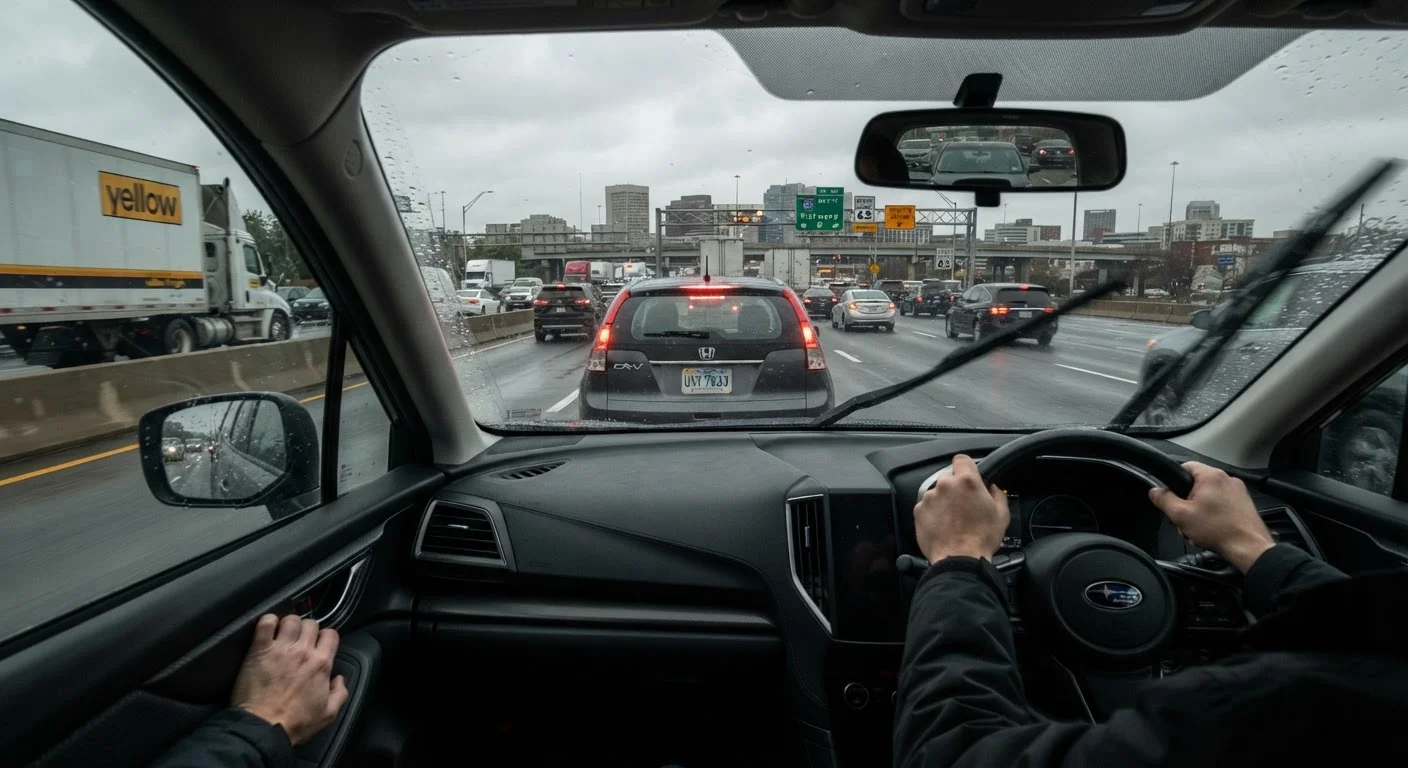
What BSM does not cover: objects that are stationary, pedestrians or cyclists in some implementations, and vehicles approaching at very high relative speeds in certain system designs. It also does not monitor the area directly behind the vehicle or in front. Drivers should always perform a physical shoulder check before changing lanes - BSM is a supplement, not a replacement, for that habit. This is especially relevant when following distances are tight and lane changes happen quickly.
Always Pair Technology with Physical Checks
Even the most advanced blind spot monitoring system can miss motorcycles, cyclists, or fast-approaching vehicles in certain conditions. Before changing lanes, combine the BSM alert with a quick shoulder check and a mirror scan. Building this habit ensures you are never fully dependent on any single sensor or system.
Dashcams: Documentation, Not Prevention
A dashcam is a continuously recording camera - usually mounted on the windshield - that captures video of the road ahead, and sometimes the rear or interior. Unlike BSM or backup cameras, a dashcam provides no real-time alerts or driver assistance. It records what happens; it does not intervene.
The practical value of a dashcam lies in post-incident documentation. Footage can help clarify fault in a collision, support an insurance claim, or provide evidence in a legal dispute. Some dashcam systems also capture parking incidents when the vehicle is off. However, dashcam footage alone does not guarantee any particular insurance or legal outcome - coverage determinations depend on many factors. For context on how auto insurance coverage works, see our overview of liability, collision, and comprehensive coverage.
Key limitation: a dashcam only records what its lens angle captures. A standard forward-facing cam misses the sides, rear, and interior. Drivers should not assume dashcam presence makes them safer in the moment - situational awareness remains essential.
~210
Fatalities per year linked to backover crashes
NHTSA data cited in the federal rulemaking that led to the 2018 backup camera mandate for all new US passenger vehicles.
~15,000
Backover injuries estimated annually in the US
Figures from NHTSA research used to justify the rear visibility standard applied to passenger cars, light trucks, and vans.
Backup Cameras: Filling the Rear Blind Zone
Since May 2018, the National Highway Traffic Safety Administration (NHTSA) has required all new passenger vehicles sold in the United States to be equipped with a rearview (backup) camera. The mandate followed research linking reversing incidents - particularly involving children and pedestrians - to the large blind zone directly behind most vehicles invisible in standard mirrors.
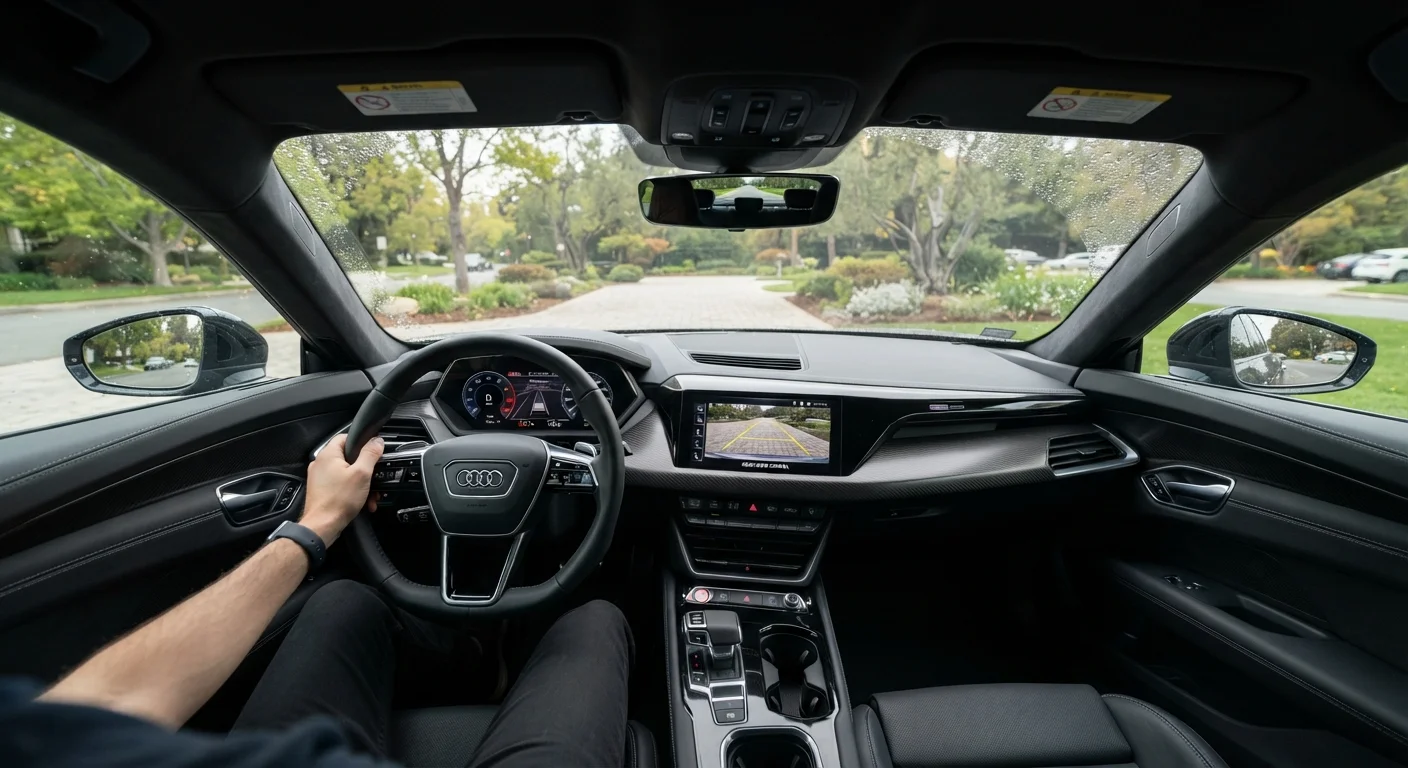
A backup camera activates automatically when reverse gear is engaged, displaying a live feed on the dashboard or infotainment screen. Many systems overlay dynamic guidelines that shift as the steering wheel turns, helping drivers judge distance and trajectory.
What backup cameras do not cover: the area to the sides of the vehicle, the front, or wide-angle zones beyond the camera's field of view. Camera quality and refresh rate also vary. In poor lighting, heavy rain, or when a lens is dirty or damaged, image quality degrades. Drivers should visually scan around the vehicle before reversing - never rely solely on the screen. For further safety strategies when conditions are challenging, see our guide on driving in bad weather.
A Dirty or Damaged Camera Is a Hidden Risk
Backup camera lenses accumulate mud, ice, and road grime quickly, particularly in winter or after off-road driving. A partially obscured lens can create a false sense of a clear path. Make checking and cleaning the camera lens part of your regular vehicle walkthrough, and have damaged cameras inspected by a qualified technician promptly.
Using These Technologies as a Layered System
The most effective approach treats blind spot monitoring, dashcams, and backup cameras as complementary layers rather than standalone solutions. BSM covers lateral zones during forward travel; backup cameras cover the rear zone during reversing; dashcams provide a factual record of forward events. Together, they reduce - but cannot eliminate - the risks that come from the many zones around a vehicle that no single technology fully monitors.
Driver attention remains the foundational safety layer that technology assists but cannot replace. Distraction, fatigue, and overconfidence in driver-assistance systems are documented factors in crashes even when those systems are functioning correctly. For families planning longer trips where fatigue is a real factor, our road trip safety guide covers what drivers often overlook.
This article is for general informational purposes only and does not constitute safety, legal, or insurance advice. Consult qualified professionals and your vehicle's owner manual for guidance specific to your situation.