
The Pre-Departure Checks Most Families Skip
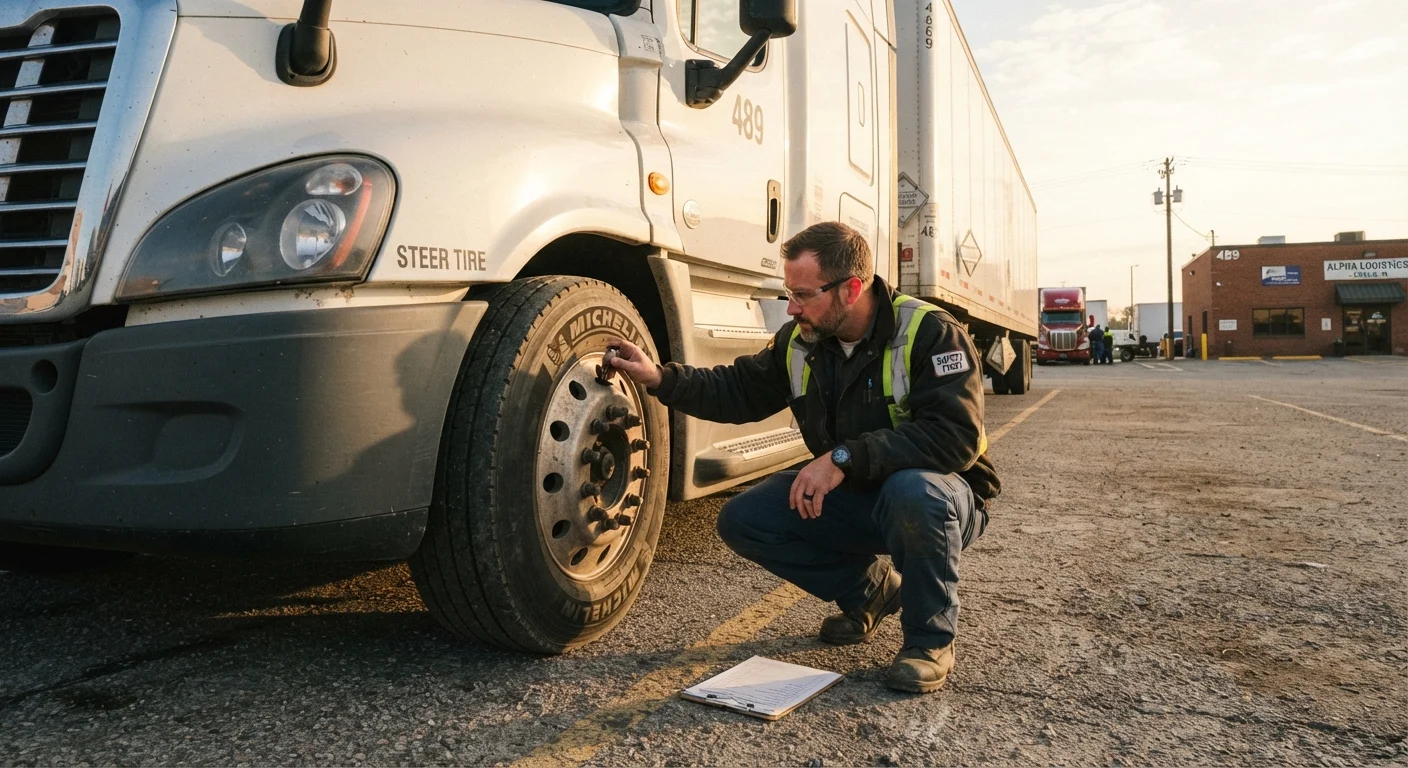
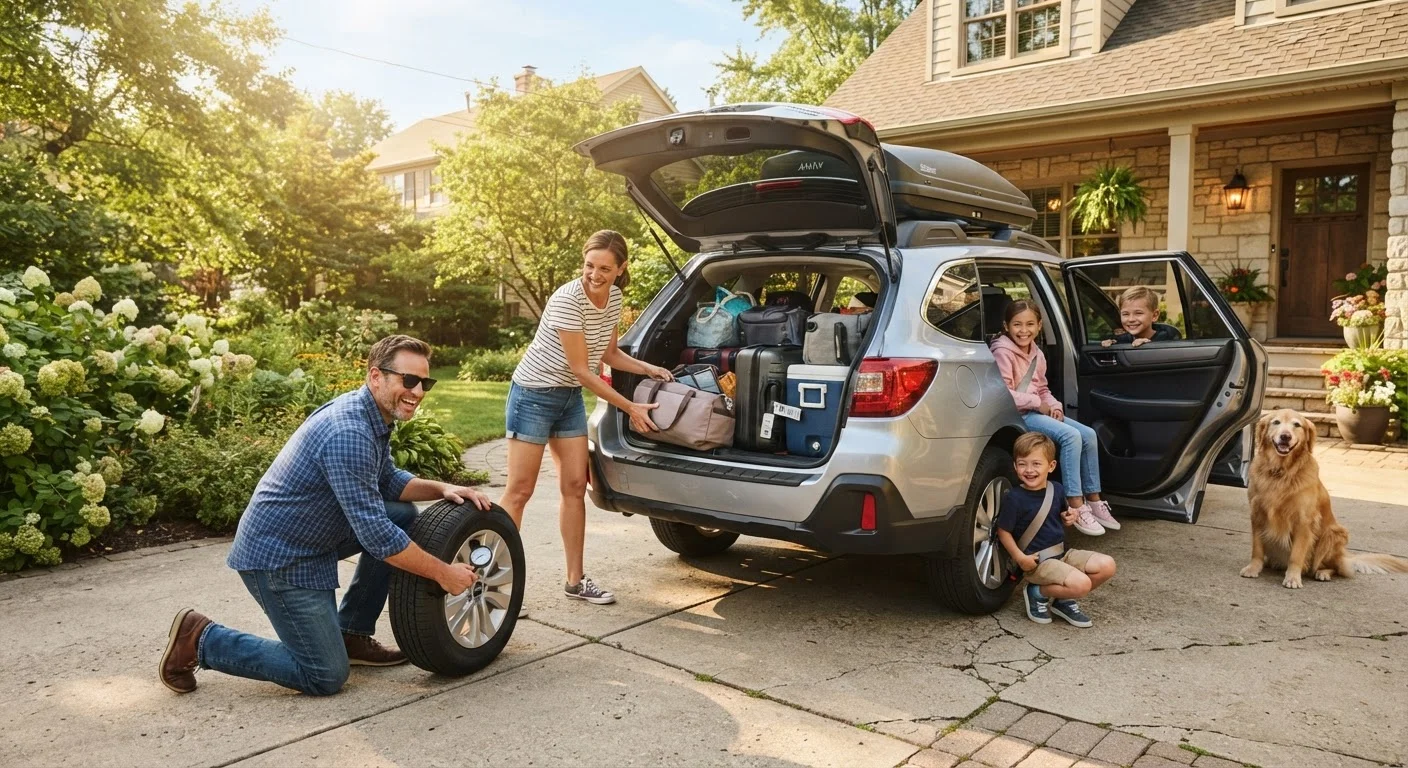
Excitement has a way of rushing families out the door before the car is truly ready. Yet a quick, systematic check before departure is one of the highest-value safety habits a driver can build. Tire pressure is the most commonly neglected item - under-inflated tires reduce handling responsiveness and increase blowout risk, especially under the added weight of passengers and luggage. Check all four tires, including the spare, against the pressure listed on the door jamb sticker rather than the tire sidewall.
Equally important: top off windshield washer fluid, confirm all lights are working (including brake lights, which you can't see from the driver's seat without help), and verify that wipers clear the windshield cleanly. If your vehicle is due for an oil change or has any unresolved warning lights, address those before the trip, not after. For a thorough walkthrough, see our driver's safety checklist covering every system worth inspecting.
Make the Pre-Trip Check a Family Ritual
Turning vehicle checks into a brief family walkthrough - with kids helping read off a simple checklist - builds safety awareness early and ensures nothing gets skipped. It takes about 10 minutes and dramatically reduces the chance of an avoidable roadside problem. Keep a printed checklist in the glove box so the routine is consistent every trip.
Car Seat Safety: The Gap Between Confidence and Reality
Studies conducted by the National Highway Traffic Safety Administration (NHTSA) have consistently found that a significant percentage of car seats are installed incorrectly - estimates have ranged as high as 59% in some field surveys. The errors range from harness straps that are too loose, to seats installed at the wrong recline angle, to chest clips positioned too low. None of these mistakes are obvious to the untrained eye, which is exactly why they persist.
Before a long family road trip is the ideal time to have your car seat inspected by a certified Child Passenger Safety Technician (CPST). Many fire stations, hospitals, and community health organizations offer free inspection events - NHTSA's website maintains a locator tool. Also check that your child hasn't outgrown their current seat: weight and height limits are printed on the seat itself, and children should remain rear-facing as long as the seat's limits allow.
Car Seat Rules Vary by State
Each US state sets its own laws for car seat type, positioning, and age or weight minimums - and some states have updated their requirements in recent years. Always verify your state's current rules before a multi-state road trip, since regulations in states you're passing through may differ from your home state. Your pediatrician or local CPST can also offer guidance specific to your child's size and needs.
Managing Driver Fatigue on Long Stretches
Drowsy driving is consistently underestimated as a crash risk. The AAA Foundation for Traffic Safety has linked fatigue to roughly 9% of all crashes in research using in-vehicle monitoring data. Yet most drivers don't recognize their own impairment until it's too late, because fatigue degrades the very judgment needed to assess it.
The practical fix is simple but requires discipline: stop every two hours or roughly 100 miles, whichever comes first. Get out of the car, walk around, hydrate, and rotate drivers if possible. Caffeine can help bridge a short gap, but it isn't a substitute for rest. If you feel genuine drowsiness - heavy eyelids, difficulty keeping your lane - pull over safely and take a 20-minute nap. Planning your route around realistic driving windows, rather than trying to push through, is one of the most underrated adjustments families can make. Our article on why long road trips feel harder than they should digs into the planning gaps that amplify fatigue.
Inspect tires, lights, and fluids the day before departure - not the morning of.
Doing checks the day before gives you time to address any issues without delaying your start. Morning-of checks often get rushed and skipped when the family is loading up and eager to leave.
Have car seats inspected by a certified technician before any long trip.
Installation errors are common and often invisible to parents. A certified Child Passenger Safety Technician can identify harness fit issues and seat positioning problems that reduce protection in a crash.
Schedule mandatory rest stops every two hours regardless of how the driver feels.
Fatigue impairs judgment before a driver feels tired, making self-assessment unreliable. Pre-planned stops remove the temptation to push through.
Secure all cargo below seat-back height and use nets or straps for heavier items.
Unsecured cargo can shift or become projectiles during sudden braking or a collision, increasing injury risk for rear passengers.
Designate a non-driving co-pilot to handle navigation, snacks, and child management.
Splitting responsibilities keeps the driver focused on the road and reduces in-car distraction - one of the leading contributors to crash risk.
Cargo Management, Distractions, and the Road Ahead
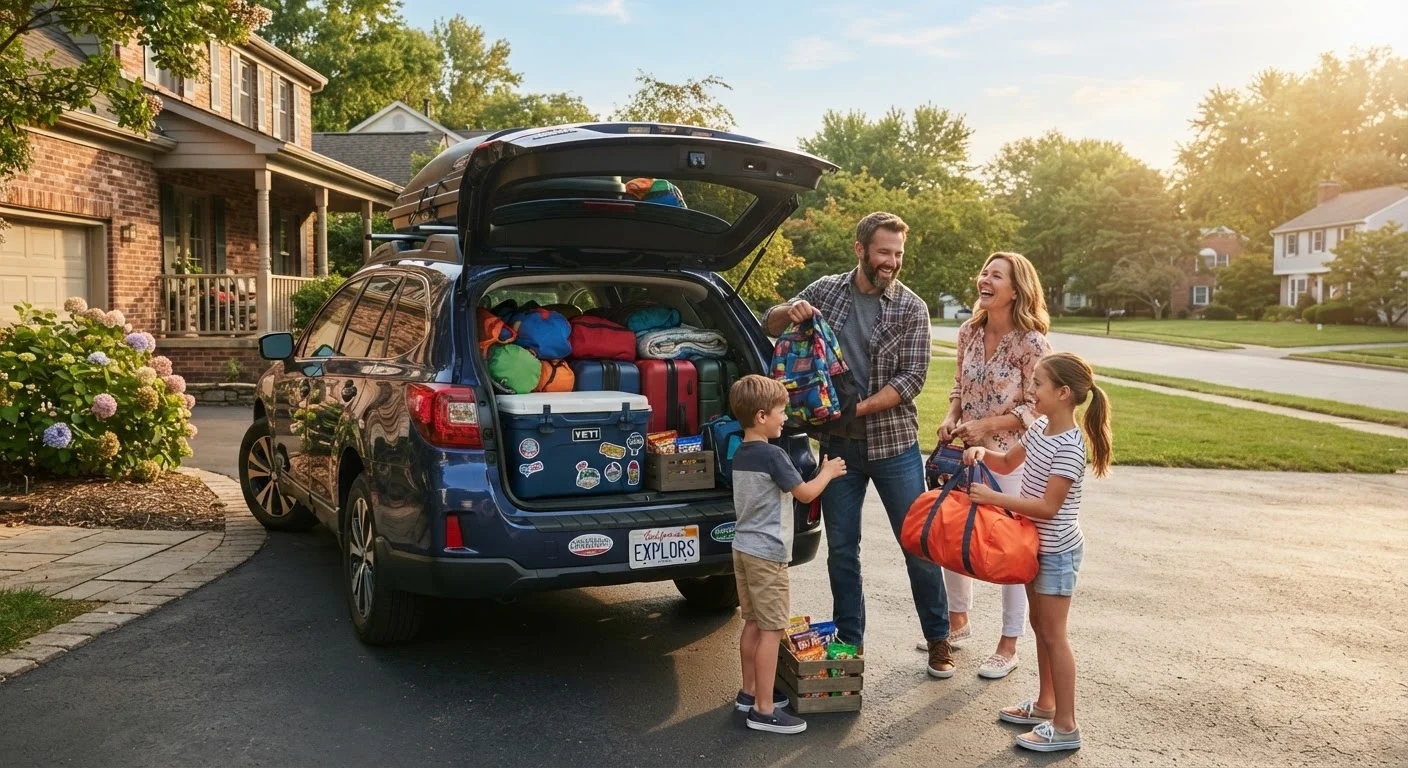
A full rear cargo area feels organized until an emergency stop demonstrates otherwise. Unsecured items - luggage, coolers, sports equipment - can become dangerous projectiles in a collision or hard braking. Heavier items belong on the floor or secured with cargo nets; never stack items above the seat backs if they could shift forward.
In-car distractions deserve equal attention. Reaching for snacks, mediating kids' arguments, and adjusting entertainment screens all pull a driver's eyes and attention off the road. Designate a co-pilot for trip navigation and child management so the driver can focus. Pair this with a well-stocked bag accessible from the back seat - our family road trip packing list covers what to keep within arm's reach. Finally, check your route for weather conditions the morning of departure. Rain, fog, and ice each require a different driving approach - for guidance, see driving in bad weather without losing control.