
What Each Type of Care Actually Means
Preventive care encompasses any action taken to maintain health and detect problems before they become serious. This includes annual or semi-annual wellness exams, core vaccinations, parasite prevention, dental cleanings, weight monitoring, and age-appropriate screenings like bloodwork or urinalysis. The goal is to establish a health baseline for your individual pet and catch subtle changes early.
Reactive care - sometimes called sick or emergency care - addresses a specific problem that has already appeared. This covers everything from an unplanned vet visit for vomiting that won't stop, to surgery following an injury, to managing a newly diagnosed condition like diabetes or kidney disease. Reactive care is not a failure of planning; it is simply a different clinical mode.
The distinction matters because owners who understand both are better equipped to recognize when a situation is urgent and when it can wait for a scheduled appointment. For broader context on keeping cats and dogs well across life stages, see our dog care hub and cat care hub.
How the Two Approaches Compare
Comparing preventive and reactive care side by side reveals that they serve fundamentally different purposes - and that the strongest outcomes come from using both deliberately.
| Preventive Care | Reactive Care | |
|---|---|---|
| Primary goal | Maintain health, detect issues early | Treat existing illness or injury |
| Timing | Scheduled, routine | As needed, often urgent |
| Predictability | High - planned in advance | Low - unpredictable by nature |
| Examples | Wellness exams, vaccines, dental cleanings | ER visits, surgery, chronic disease diagnosis |
| Cost pattern | Consistent, manageable over time | Variable, potentially high in emergencies |
| Best outcome | Prevents or delays serious disease | Resolves acute problems quickly |
One nuance worth noting: reactive care is not always avoidable, and preventive care is not always sufficient. A dog hit by a car needed reactive care regardless of how diligent its owner was about annual exams. Conversely, a wellness visit that catches early-stage kidney disease in a senior cat can shift that case from a crisis to a managed condition.
Why Preventive Care Pays Off Over Time
Veterinary consensus holds that early detection generally leads to more treatment options, less invasive interventions, and better outcomes. Routine bloodwork in a middle-aged or senior pet, for instance, can reveal organ function changes years before clinical symptoms appear - at a point when dietary management or medication may significantly slow progression.
Schedule Wellness Visits Before Symptoms Appear
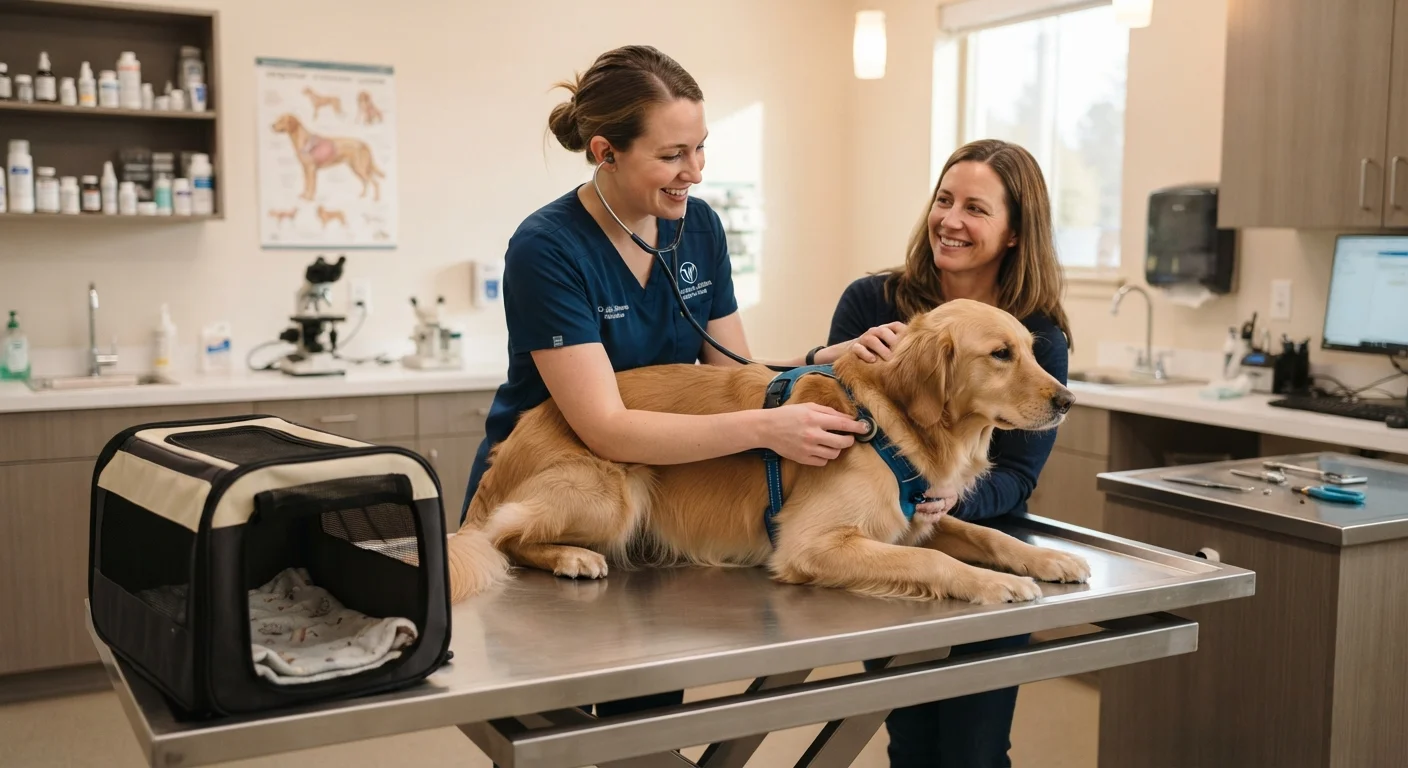
Most veterinarians recommend annual wellness exams for adult pets and semi-annual visits for seniors. Don't wait until something seems wrong - many significant health changes are detectable on exam or bloodwork before a pet shows obvious signs of illness. Building this rhythm into your calendar is one of the most reliable steps you can take for long-term pet health.
Preventive care also establishes a documented health history, which makes reactive care more effective when it is needed. A vet who already knows your pet's baseline weight, heart rhythm, and blood values can more accurately interpret what a sudden change means. Without that baseline, diagnosis during an emergency becomes more difficult and sometimes more expensive.
It's also worth separating fact from myth when building a preventive plan. Our article on common pet wellness myths covers several popular beliefs that don't align with veterinary evidence.
When Reactive Care Takes the Lead
Some situations require immediate treatment regardless of how proactive an owner has been. Toxin ingestion, trauma, urinary blockages in cats, bloat in large-breed dogs, and sudden collapse are all examples where reactive care is the only appropriate response. Delaying treatment to weigh options in these scenarios can worsen outcomes.
Some Symptoms Should Never Wait
Difficulty breathing, inability to urinate, suspected toxin ingestion, seizures, collapse, or uncontrolled bleeding require immediate veterinary attention - not a wait-and-see approach. If you're ever unsure, call your vet or an emergency animal hospital and describe the symptoms. Erring on the side of caution in these situations is always the right call.
Reactive care also takes the lead when a pet is newly diagnosed with a chronic disease. The first phase of managing diabetes, hyperthyroidism, or inflammatory bowel disease is inherently reactive - identifying what is happening, stabilizing the animal, and establishing a treatment protocol. Once that foundation is in place, the care model often shifts back toward a preventive rhythm: regular monitoring, medication adjustments, and check-ins designed to keep the condition from escalating.
Enrichment and behavioral wellness are also part of the overall picture. Our piece on mental stimulation for pets explains how boredom and stress contribute to physical health issues - another reason preventive wellness extends beyond the exam room.
Building a Plan That Uses Both
A practical approach combines scheduled preventive visits with clear personal thresholds for when to seek reactive care. Work with your veterinarian to determine how often your specific pet needs to be seen - a healthy 2-year-old dog has different needs than a 12-year-old cat with managed hyperthyroidism. Ask your vet what symptoms in your pet's situation warrant a same-day call versus a wait-and-watch approach.
Financial preparedness matters too. Reactive care, especially emergency care, can be costly and unpredictable. Options like pet insurance or a dedicated savings fund are worth researching independently; this article is for general information only and is not financial or veterinary advice tailored to your situation.
Ultimately, the most informed pet owners treat preventive and reactive care as partners rather than alternatives. Routine wellness reduces the frequency and severity of emergencies; good emergency care manages what routine wellness cannot prevent. Together, they offer the most complete picture of a pet's health across its lifetime.
This article is for general informational purposes only and does not constitute veterinary or financial advice. Consult a licensed veterinarian for guidance specific to your pet's health needs.