
How the Grain-Free Trend Got Started
The grain-free pet food movement accelerated in the mid-2000s, largely driven by the idea that dogs and cats are carnivores whose ancestors never ate wheat or corn. Marketing often positioned grains as fillers linked to allergies, obesity, and digestive problems. Pet owners - understandably motivated by what seemed best for their animals - responded enthusiastically.
The reality is more nuanced. Domestic dogs have evolved alongside humans for thousands of years and, unlike wolves, have developed additional copies of the amylase gene, which helps digest starch. Cats are obligate carnivores with a limited ability to use carbohydrates for energy, but neither species is harmed by appropriately proportioned grains in a complete and balanced diet. As the evidence on pet wellness myths shows, popular belief and nutritional science don't always align.
What Grains Actually Contribute to a Pet's Diet
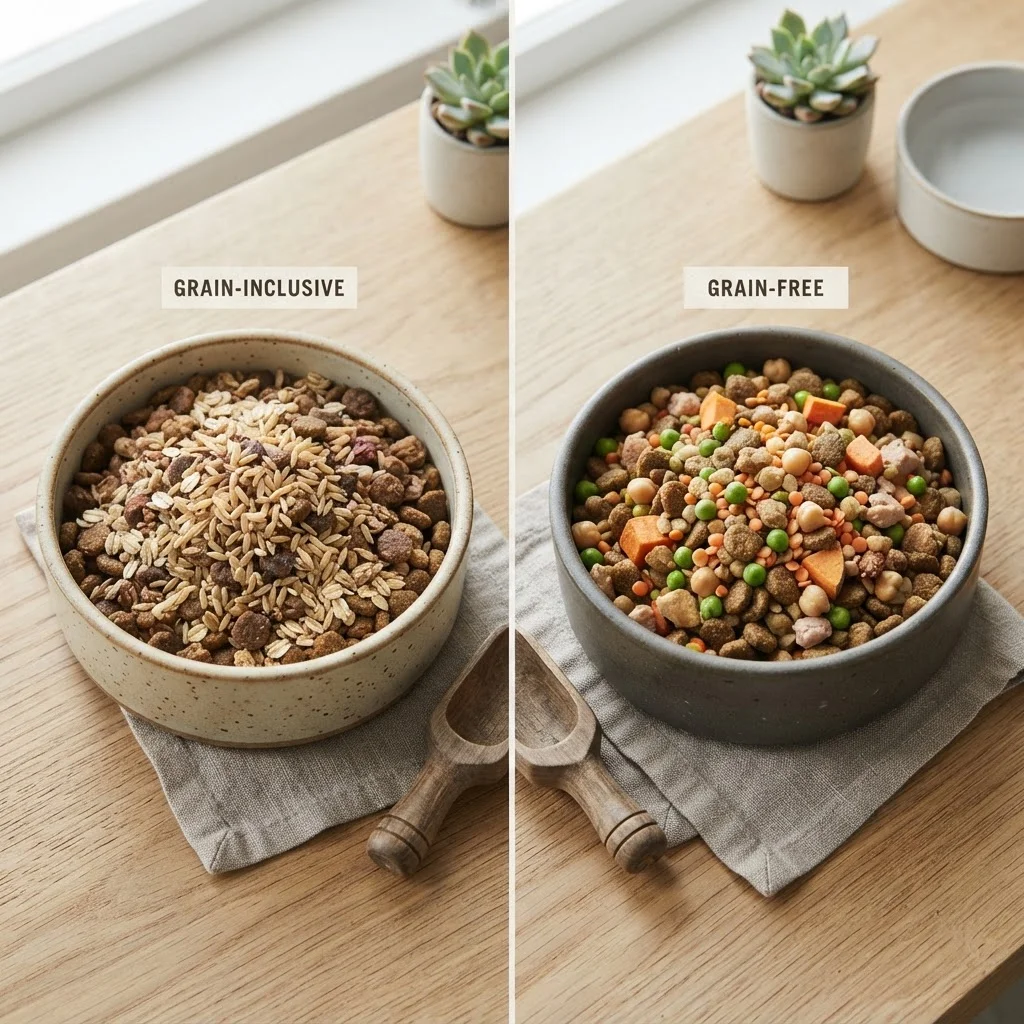
Grains such as rice, oats, barley, and corn aren't empty calories. In properly formulated pet foods, they contribute digestible carbohydrates for energy, dietary fiber that supports gut health, and micronutrients including B vitamins and essential minerals. Whole grains in particular add meaningful nutritional value beyond simple starch.
Grain-free formulas replace these ingredients primarily with legumes - lentils, peas, chickpeas - and sometimes potatoes. These substitutes supply carbohydrates and fiber, but they introduce a different nutrient profile. Legumes are high in phytates and certain antinutrients that may reduce the bioavailability of some minerals, and they contain little to no taurine, an amino acid critical to heart function in dogs and cats.
| Criterion | Grain-Free | Grain-Inclusive |
|---|---|---|
| Primary carbohydrate source | Legumes, potatoes | Rice, oats, corn, barley |
| Research & feeding trial history | Limited long-term data | Decades of AAFCO-backed research |
| DCM cardiac risk signal | Under FDA investigation | No identified association |
| Appropriate for grain allergy | Yes, if vet-confirmed | Not suitable |
| Taurine availability | Potentially lower (legume-heavy) | Typically adequate |
| Fiber diversity | Moderate (legume fiber) | High (whole grain variety) |
| Suitable for most healthy pets | Only with vet guidance | Yes, broad suitability |
For a broader look at how ingredient choices interact with feeding format, see our guide on dog nutrition and diet types.
The DCM Investigation: What We Know So Far
In 2018, the U.S. Food and Drug Administration (FDA) began investigating reports of dilated cardiomyopathy (DCM) - a serious heart condition - in dogs eating grain-free diets, particularly those high in peas, lentils, and other legumes. This prompted significant concern among veterinarians and pet owners alike.
77%
DCM cases in dogs eating grain-free diets
The FDA's 2019 update reported that 77% of DCM cases under review involved dogs eating grain-free diets, though causation has not been established.
~10%
Food-allergic dogs sensitive to grains
Veterinary dermatology literature consistently estimates that grains account for a minority of canine food allergy cases, with animal proteins being far more common triggers.
Importantly, the investigation has not established a definitive causal link. DCM has multiple known causes, including genetic predisposition in certain breeds. The FDA's updates have noted that the association appears real but the underlying mechanism remains unclear - possible factors include reduced taurine synthesis, the effects of specific legume proteins, or fiber interactions affecting nutrient absorption. Veterinary cardiologists generally advise caution, particularly for breeds already predisposed to heart disease. If you feed a grain-free diet, discuss DCM risk with your veterinarian - this is not a reason for alarm, but it is a reason for informed conversation.
Grain Allergies: Rare, But Real
Grain allergies do exist in dogs and cats, but they are far less common than the marketing suggests. Research and veterinary clinical experience consistently show that the most frequent food allergens in dogs are animal proteins - beef, dairy, chicken, and egg - not grains. Wheat is a legitimate allergen for some dogs, but it accounts for a small minority of food sensitivity cases.
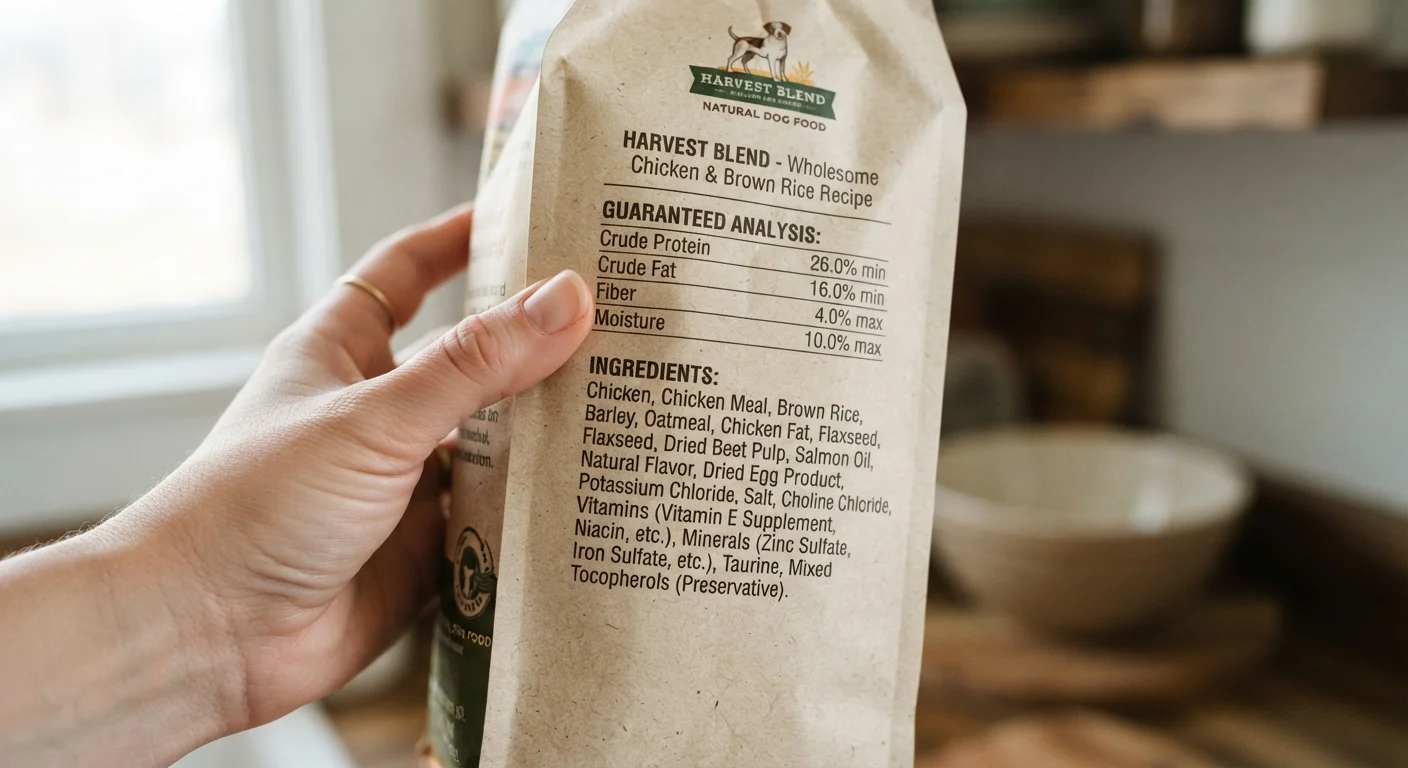
A true food allergy diagnosis requires a strict dietary elimination trial under veterinary supervision - typically 8 to 12 weeks - not a simple swap to a different bag of kibble. Owners who suspect food allergies should work with their vet rather than self-diagnosing. Understanding how to read a food label is also essential; our guide on reading a pet food label explains what ingredient lists and AAFCO statements actually tell you.
Cats Are Not Small Dogs
Cats are obligate carnivores, meaning they require nutrients - like taurine and arachidonic acid - found primarily in animal tissue. While grain-inclusive cat foods account for this through formulation, no diet change should prioritize trend over species-specific nutritional requirements. Always verify that any cat food carries an AAFCO 'complete and balanced' statement for your cat's life stage.
For cats, the calculus differs somewhat. Cats have a limited metabolic use for carbohydrates and require high animal protein. But grain-inclusive cat foods are formulated with this in mind - and switching to grain-free doesn't automatically mean lower carbohydrates, since legumes carry comparable caloric density. See more on feline nutritional needs in our overview of how a cat's diet actually works.