
Why Cats Have Unique Nutritional Needs
Cats are obligate carnivores, meaning their bodies are biologically wired to derive essential nutrients from animal tissue - not plants or grains. Unlike dogs or humans, cats cannot synthesize certain amino acids (such as taurine and arginine) on their own, so these must come directly from their food. This shapes everything about how a cat's diet should be constructed.
One often-overlooked aspect of feline biology is their naturally low thirst drive. In the wild, cats obtain most of their water from prey, which contains roughly 70% moisture. Domestic cats that evolved from desert-dwelling ancestors didn't develop the same urge to seek out standing water that other animals have. This makes the moisture content of their food more than a minor detail - it directly affects kidney function, urinary tract health, and overall hydration.
Understanding these biological realities is the starting point for any honest comparison of food formats. For a broader look at how environment intersects with feline health, see our guide to indoor vs. outdoor cat trade-offs.
| Criterion | Dry Cat Food | Wet Cat Food |
|---|---|---|
| Moisture content | 6-10% | 70-80% |
| Typical carbohydrate level | Higher (25-40%) | Lower (typically under 10%) |
| Protein profile (dry matter) | Moderate to high | Generally high |
| Dental benefit | Mild, inconsistent | Minimal |
| Palatability for picky cats | Variable | Generally higher |
| Shelf life after opening | Weeks (sealed bag) | 1-2 days refrigerated |
| Cost per calorie | Generally lower | Generally higher |
| Urinary health support | Lower (less moisture) | Higher (more moisture) |
Hydration, Protein, and What the Numbers Actually Mean
Wet food typically contains 70-80% moisture, while dry kibble sits at around 6-10%. That gap has real implications. Cats fed exclusively on dry food tend to produce more concentrated urine, which can raise the risk of urinary crystals and kidney stress over time - particularly in neutered male cats, who are anatomically more vulnerable to urinary blockages.
On a dry-matter basis (meaning once water is removed from the equation), many wet and dry foods are more nutritionally similar than their labels suggest. However, dry food often contains higher carbohydrate content to bind the kibble together - sometimes 25-40% carbohydrates - whereas cats have a limited ability to use carbohydrates as an energy source efficiently. Wet food generally aligns more closely with the high-protein, low-carbohydrate profile cats are built for.
70-80%
Moisture in wet cat food
Veterinary nutritionists note this closely mirrors the moisture content of a cat's natural prey diet.
~6%
Moisture in dry kibble
The significantly lower moisture content of dry food means cats on kibble-only diets often consume less total water than their biology requires.
3x
Higher urine concentration in dry-fed cats
Research in veterinary urology has consistently associated low-moisture diets with more concentrated urine, a risk factor for urinary crystal formation.
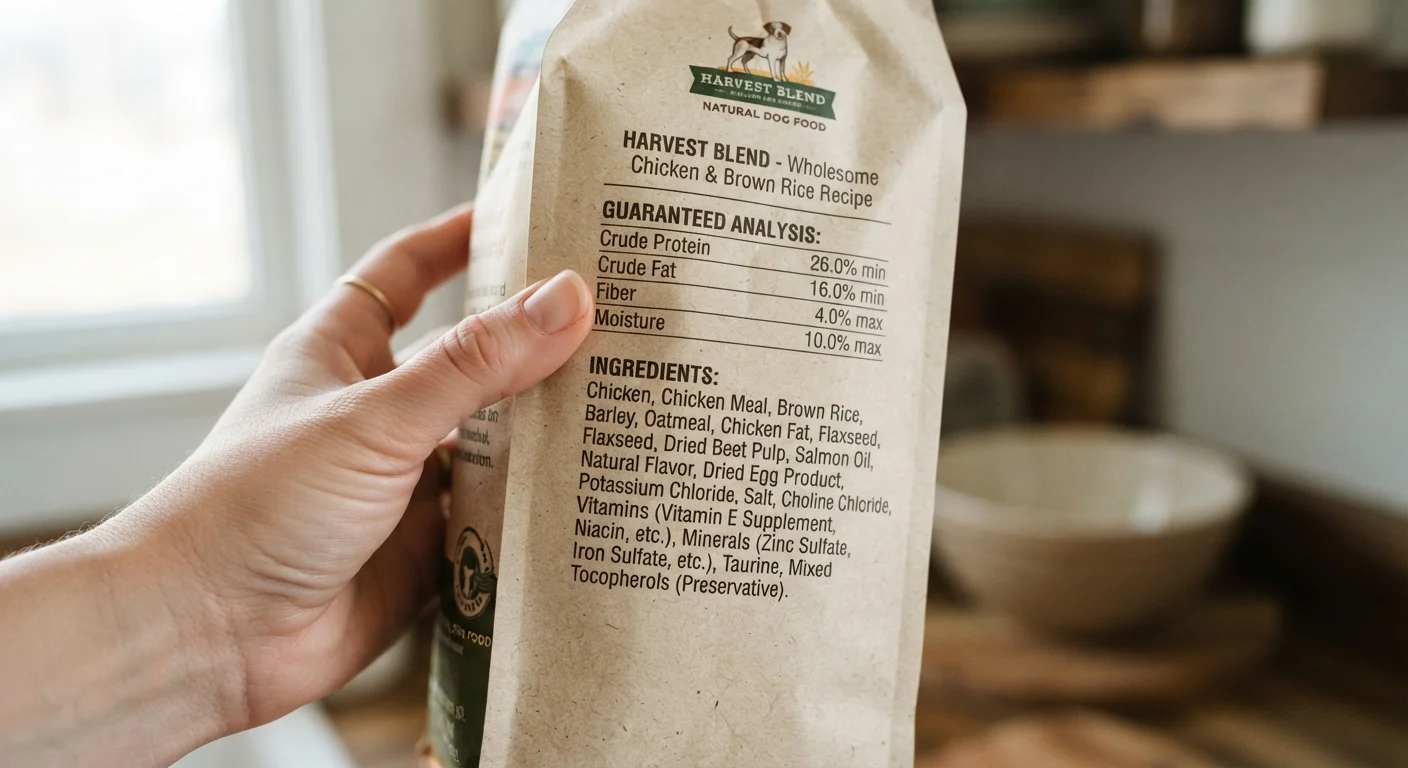
That said, not all wet food is nutritionally superior, and not all dry food is deficient. The quality of protein sources, the presence of essential fatty acids, and the overall formulation matter as much as the format. When evaluating any food, look for an AAFCO (Association of American Feed Control Officials) nutritional adequacy statement on the label. Our article on reading a pet food label explains exactly what those statements mean.
Dental Health, Palatability, and Practical Realities
Dry food is often marketed as better for dental health, with the claim that crunching kibble helps reduce tartar. The evidence here is mixed. Some studies suggest a mild mechanical benefit from chewing, but most cats swallow kibble whole, limiting this effect. Specially formulated dental kibble - with a specific texture designed by veterinary dental researchers - does show more consistent benefit, but standard dry food isn't a substitute for regular dental care.
Wet food, by contrast, leaves no abrasive friction effect on teeth. However, it's generally more palatable - especially for picky cats, seniors, and cats recovering from illness - because its aroma and texture more closely resemble fresh prey. This makes it a useful tool when a cat needs encouragement to eat.
When to Prioritize Wet Food by Health Condition
Cats diagnosed with chronic kidney disease, lower urinary tract disease, diabetes, or obesity often benefit significantly from wet food's higher moisture and lower carbohydrate content. If your cat has any of these conditions, ask your veterinarian whether a prescription or therapeutic diet - available in both formats - is appropriate. General-market food, however high in quality, may not meet the specific nutritional targets these conditions require.
From a practical standpoint, dry food wins on convenience: it stores without refrigeration, doesn't spoil within a few hours of being served, and is easier to measure consistently. Wet food requires refrigeration after opening and should generally be discarded within a few hours at room temperature. These logistics matter for owners managing busy schedules or multiple cats.
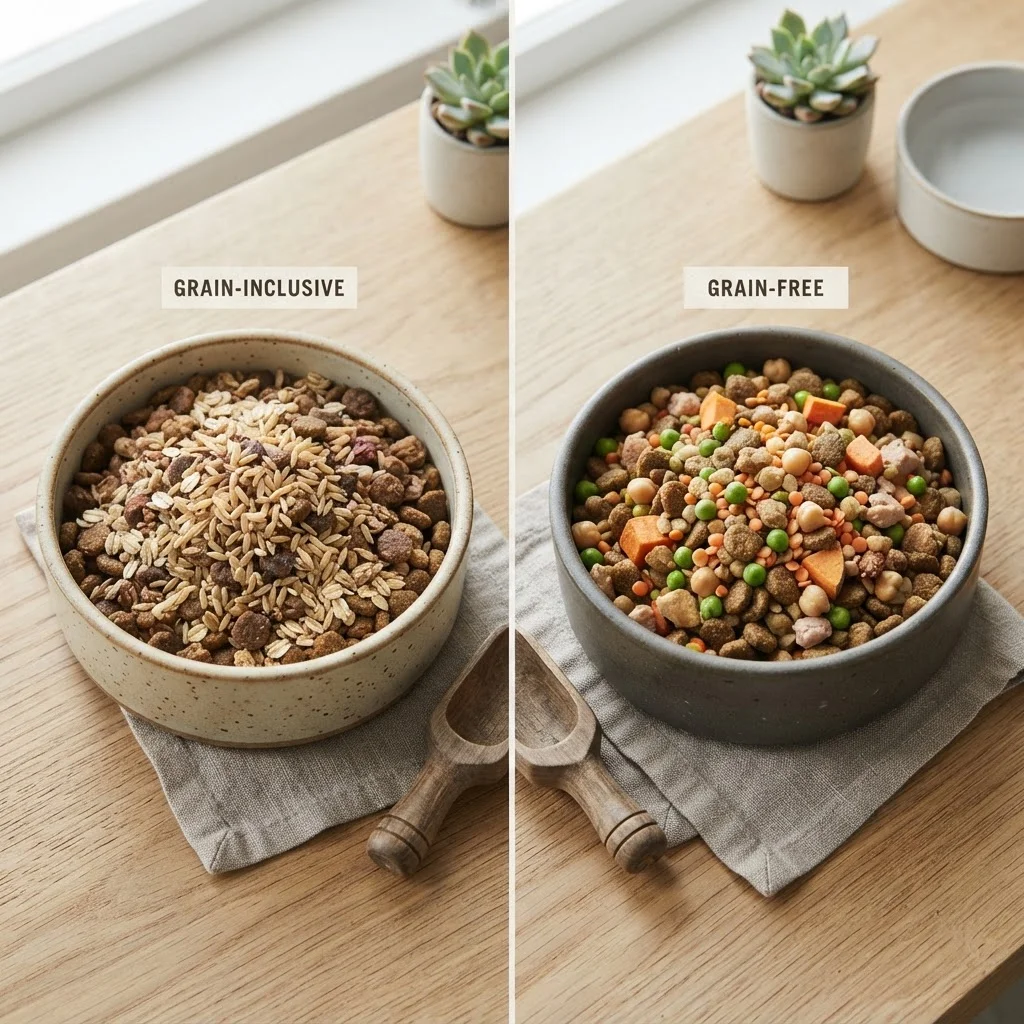
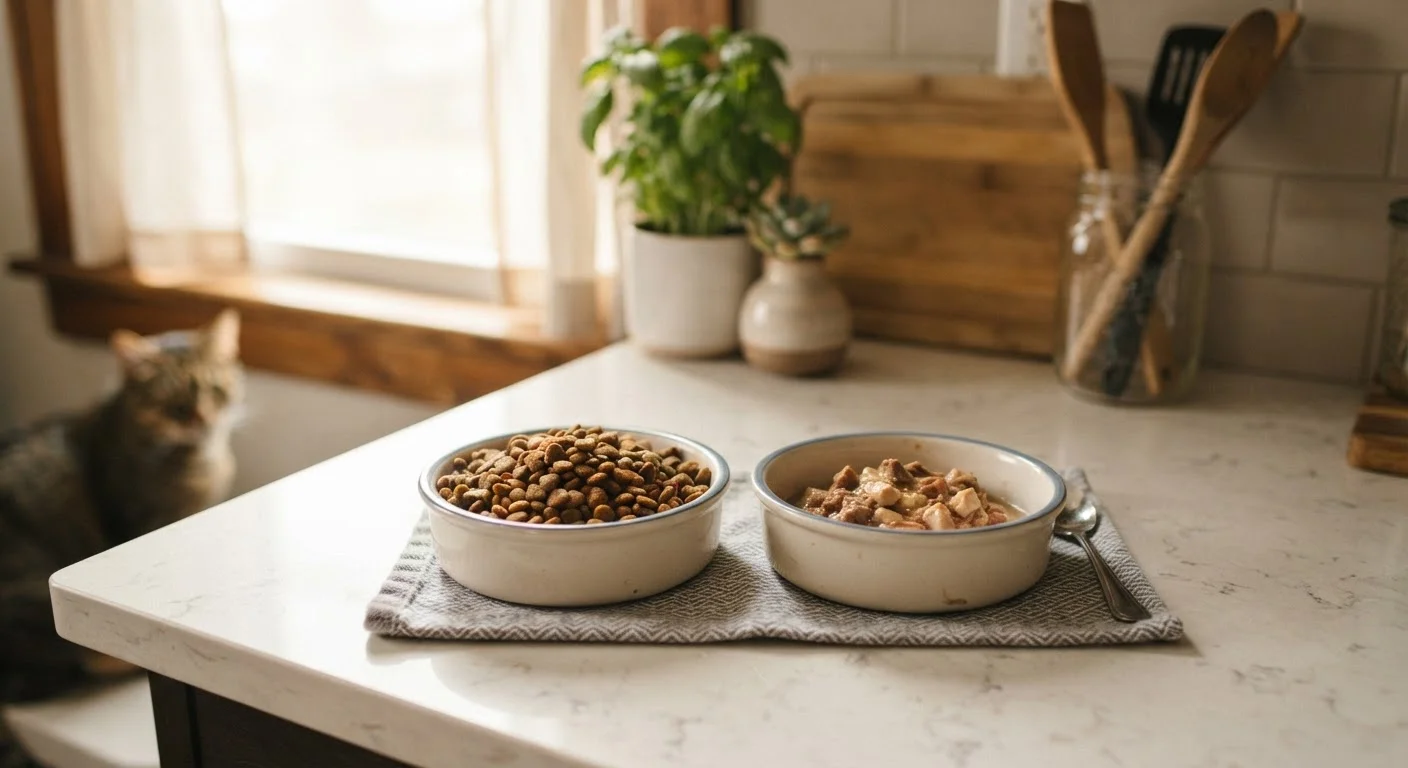
Many veterinarians support a combination feeding approach - offering wet food as the primary meal for hydration benefits while using a measured amount of dry food as a supplement or for dental-focused treats. This isn't a universal prescription, but it addresses the practical and biological trade-offs of each format. Always discuss any feeding changes with your vet, particularly if your cat has an existing health condition. You can also explore the evidence on grain-free vs. grain-inclusive diets to further understand how ingredient choices affect feline nutrition.