
Why Body Language Is Your Dog's Primary Language
Dogs can't tell you they're uncomfortable, excited, or afraid - but they show you constantly. Canine body language is a rich, layered system of signals that covers everything from ear position to tail height, weight distribution, and the tension in a dog's face. Learning to read these signals accurately helps you respond to your dog's emotional state before small stresses become bigger problems.
The key is reading signals in combination, not in isolation. A wagging tail, for example, doesn't automatically mean a happy dog. Tail height, speed, and stiffness all modify what that wag means. The same applies to every other signal - context matters enormously. Dogs reading each other understand this instinctively; human owners have to learn it deliberately.
If you're bringing home a dog for the first time, developing fluency in body language from day one will make the transition smoother for both of you.
Signal-by-Signal Reference Guide
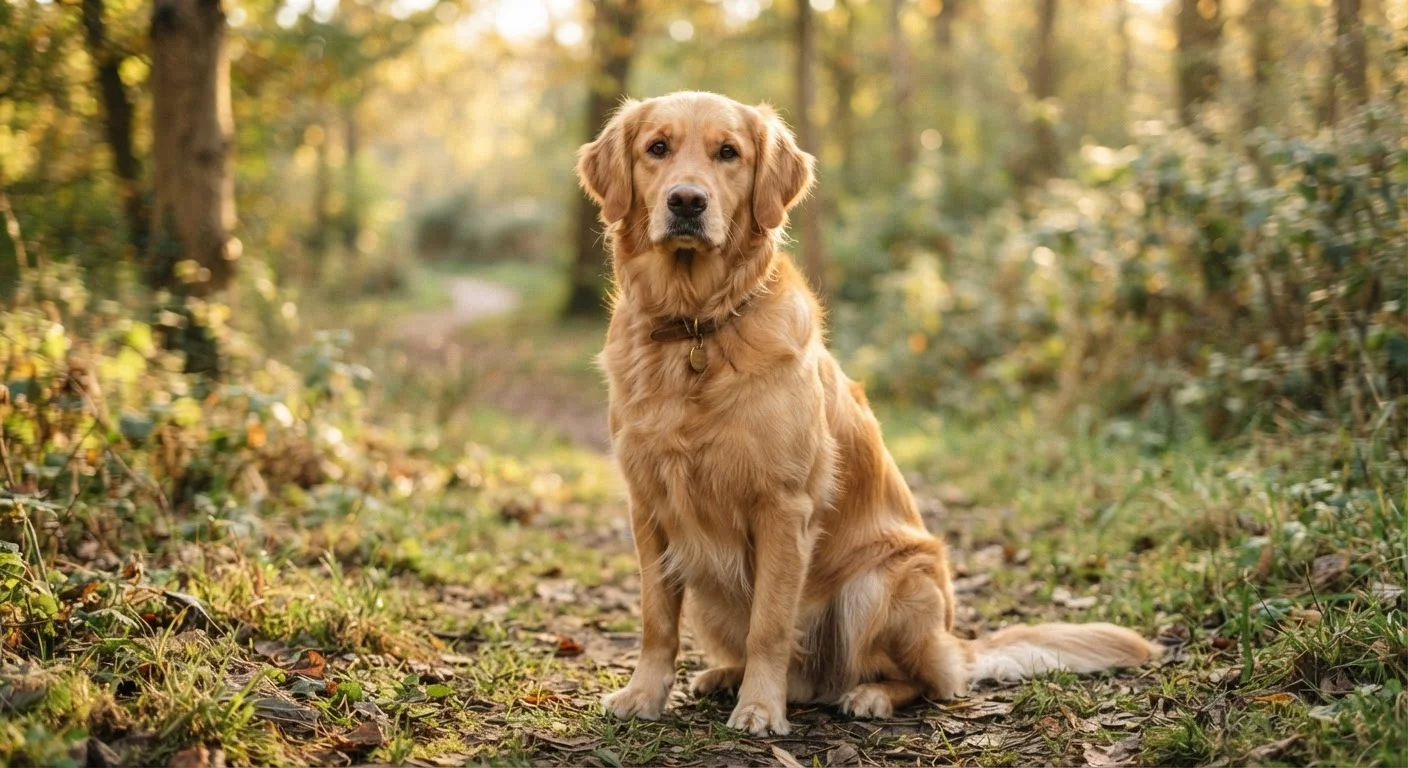
Use this as a lookup resource. Each body part sends distinct information - read them together for an accurate read of your dog's emotional state.
Tail
- High and stiff: Arousal, assertiveness, or potential aggression - not necessarily friendly excitement.
- Low or tucked: Fear, submission, or anxiety.
- Relaxed mid-height wag: Comfortable and content. The classic "happy dog" signal.
- Fast, full-body wag: Enthusiastic greeting or excitement.
- Slow, stiff wag at half-mast: Uncertain or cautious - do not assume friendliness.
Ears
- Forward and upright: Alert and focused.
- Relaxed and slightly back: Calm and at ease.
- Pinned flat against the head: Fear, extreme submission, or appeasement.
- One ear forward, one back: Uncertain or conflicted.
Eyes and Face
- Soft eyes, relaxed mouth: Calm and comfortable.
- Hard stare, unblinking: A direct challenge or warning - a precursor to aggression in many contexts.
- Whale eye (whites of eye visible): Stress or discomfort; often seen when a dog is cornered or over-handled.
- Yawning or lip-licking in non-food contexts: Calming signals - the dog is stressed or trying to de-escalate.
Posture and Weight Distribution
- Weight shifted forward, body tall: Assertive or threatening.
- Weight shifted back, body low: Fearful or submissive.
- Play bow (front end down, rear up): Invitation to play - one of the clearest positive signals dogs give.
- Stiff, still, and tense: High alert - could precede aggression; give the dog space.
Calming signals
Subtle behaviors dogs use to communicate stress or to de-escalate tension - including yawning, nose licking, and looking away. First documented systematically by Norwegian dog trainer Turid Rugaas, these signals are now widely recognized in applied animal behavior.
Whale eye
When the whites of a dog's eyes are visible, usually because the dog is turning its head while keeping its gaze fixed. It's a reliable indicator of stress or discomfort.
Play bow
A posture in which a dog drops its front end to the ground while keeping its rear end raised. It's one of the clearest and least ambiguous signals in canine communication - an invitation to play.
Appeasement behavior
Actions a dog uses to signal non-threat and reduce tension with another dog or human. Examples include rolling onto the back, lowering the body, and averting the gaze.
Arousal
A state of heightened excitement or alertness - not inherently aggressive, but a condition in which a dog's behavior can escalate quickly depending on the trigger.
Defensive aggression
Aggressive behavior that originates from fear rather than assertiveness. A dog that cannot escape a threatening situation may bite as a last resort after displaying warning signals that went unrecognized.
Signals That Warrant Attention
Most body language is routine communication. Some signals, however, warrant a closer look - either because they indicate your dog is under significant stress or because they precede behavior that could escalate.
Calming signals - yawning, nose licking, turning the head away, sniffing the ground - are how dogs try to defuse tension. If you see these frequently in situations that seem ordinary to you, your dog may be experiencing more stress than the environment appears to warrant.
Fear responses that go unaddressed can escalate into defensive aggression over time. A dog that growls is communicating discomfort clearly; suppressing that growl through punishment removes a warning signal without resolving the underlying cause. If your dog is regularly showing signs of fear or reactivity, a consultation with a certified applied animal behaviorist or a veterinary behaviorist is a worthwhile step.
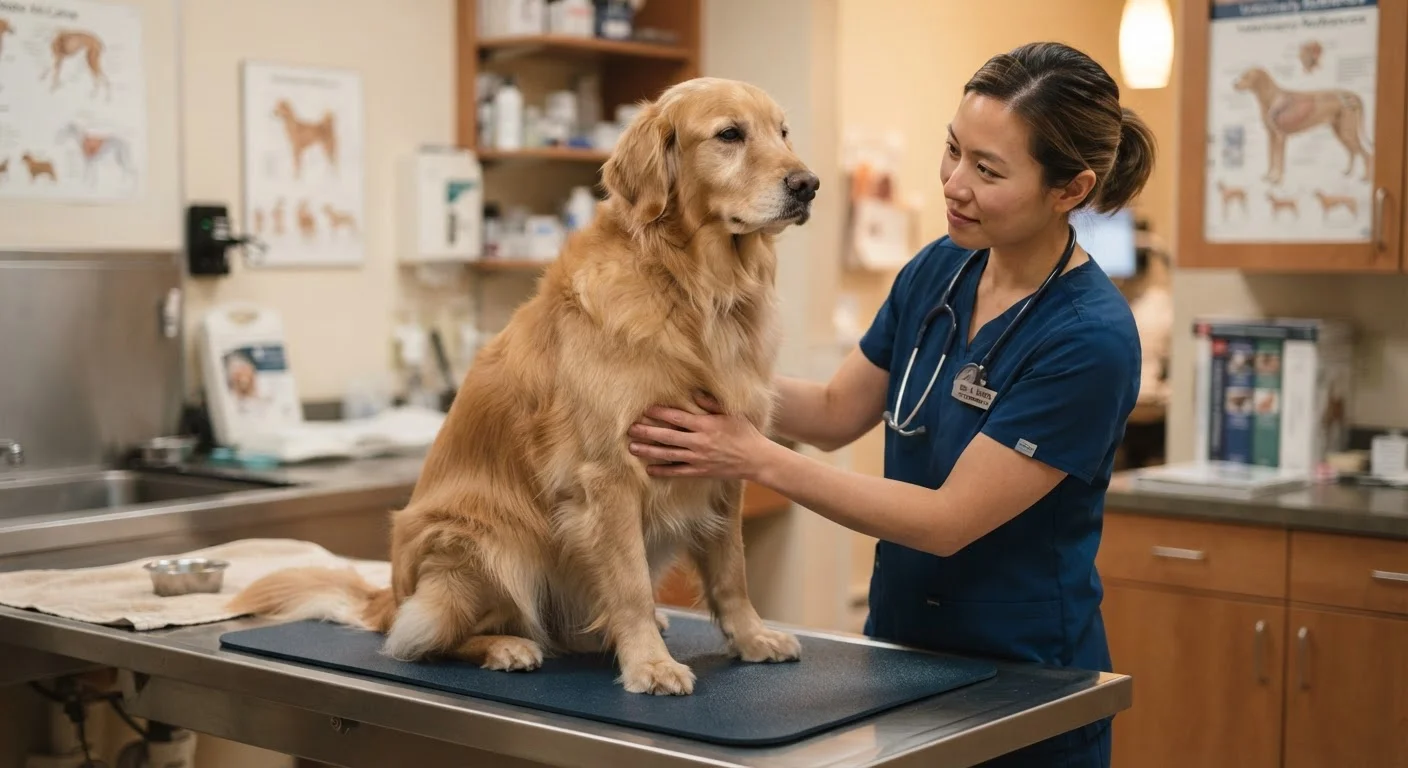
Persistent behavioral changes can sometimes reflect physical discomfort rather than purely emotional states. A dog that suddenly becomes withdrawn, snappy, or reluctant to be touched may be in pain. Your veterinarian is the right first call when behavior shifts without an obvious environmental trigger - and it's worth noting that physical health and emotional wellbeing are closely linked. Weight and overall health can also influence temperament and energy levels in ways that aren't immediately obvious.
If you're curious how this compares to feline communication, our guide on common feline behaviors walks through how cats use posture, sound, and eye contact differently than dogs do.