
Why Weight Matters More Than Most Owners Realize
Pet obesity has become one of the most widespread health concerns veterinarians see in everyday practice. Studies from veterinary health organizations consistently show that a significant portion of dogs and cats in the United States are classified as overweight or obese. Yet because weight gain tends to be gradual, many owners simply do not notice until a problem has taken hold.
Extra body fat is not merely cosmetic. It creates measurable strain on joints, organs, and metabolic systems. At the same time, insufficient weight - whether from illness, poor diet, or inadequate feeding - carries its own set of serious risks. Understanding both ends of the spectrum is essential for any pet owner who wants to make informed wellness decisions for their companion animal.
For dog owners and cat owners alike, weight is one of the most actionable health variables you can monitor at home and address with professional guidance.
~60%
U.S. dogs classified as overweight or obese
According to Association for Pet Obesity Prevention surveys, roughly 60% of dogs in the U.S. are assessed as overweight or obese by their veterinarians.
~55%
U.S. cats classified as overweight or obese
The same veterinary surveys indicate that more than half of pet cats in the U.S. exceed their ideal body condition score.
2.5 years
Estimated lifespan reduction from obesity in dogs
Research published in veterinary journals suggests that significantly overweight dogs may live measurably shorter lives than dogs maintained at an ideal body condition.
Physical Signs That Weight May Be an Issue
Weight-related health changes often appear gradually, which makes knowing what to look and feel for genuinely useful. The following signs may indicate your pet's weight is affecting their wellbeing:
- Difficulty breathing or labored panting after minimal activity or at rest
- Reduced willingness to exercise - hesitating on stairs, reluctance to play, or tiring quickly on walks
- Trouble grooming - especially in cats, who may develop unkempt coats or skin issues around the base of the tail if they cannot reach
- Visible fat deposits around the neck, limbs, or base of the tail
- Inability to feel the ribs without applying firm pressure
- Loss of visible waist when viewed from above
On the opposite end, signs of underweight include clearly prominent ribs, spine, and hip bones, loss of muscle mass, and a dull or thinning coat. These physical changes in a thin pet deserve the same veterinary attention as excess weight - sometimes more urgently, as they can signal an underlying disease.
Try the Rib Check at Home
Place both thumbs on your pet's spine and spread your fingers along the rib cage. You should feel individual ribs with gentle pressure - similar to feeling your knuckles when your hand is relaxed. If you need to press firmly to find the ribs, or if they are invisible under a thick layer of fat, that is worth discussing with your vet at the next visit.
How Vets Assess Body Condition - and What Influences It
Veterinarians use a body condition score (BCS) system rather than relying solely on scale weight. This scale - typically 1 through 9 - evaluates fat coverage over the ribs, waist definition, and abdominal tuck. A score of 4 or 5 out of 9 is generally considered ideal for most dogs and cats. Scale weight can be misleading because a large-framed dog may weigh more than a smaller breed at the same BCS.
Several factors influence where a pet lands on that scale:
- Spay and neuter status
- Altered pets often have lower metabolic rates, meaning they need fewer calories than intact animals of the same size.
- Age
- Senior pets typically have reduced activity levels and muscle mass changes that shift their caloric needs. For more on adjusting care as dogs age, see care adjustments for senior dogs.
- Breed
- Some breeds are genetically predisposed to weight gain (Labrador Retrievers, Beagles, certain cat breeds like the Ragdoll), while others have naturally lean builds.
- Diet quality and portion size
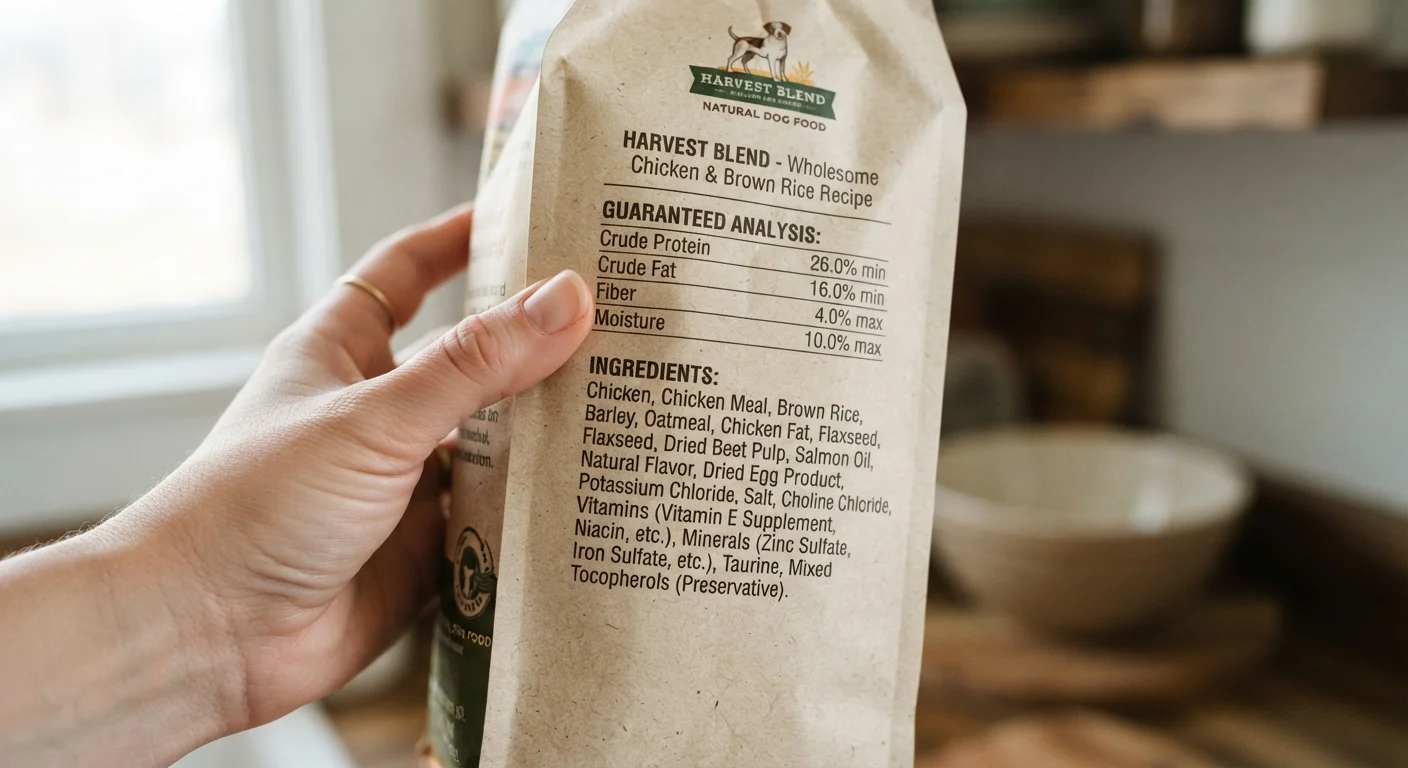
- Calorie density varies significantly between foods. Understanding how to read a pet food label is a practical first step in managing intake accurately.
What to Do If You Have Concerns
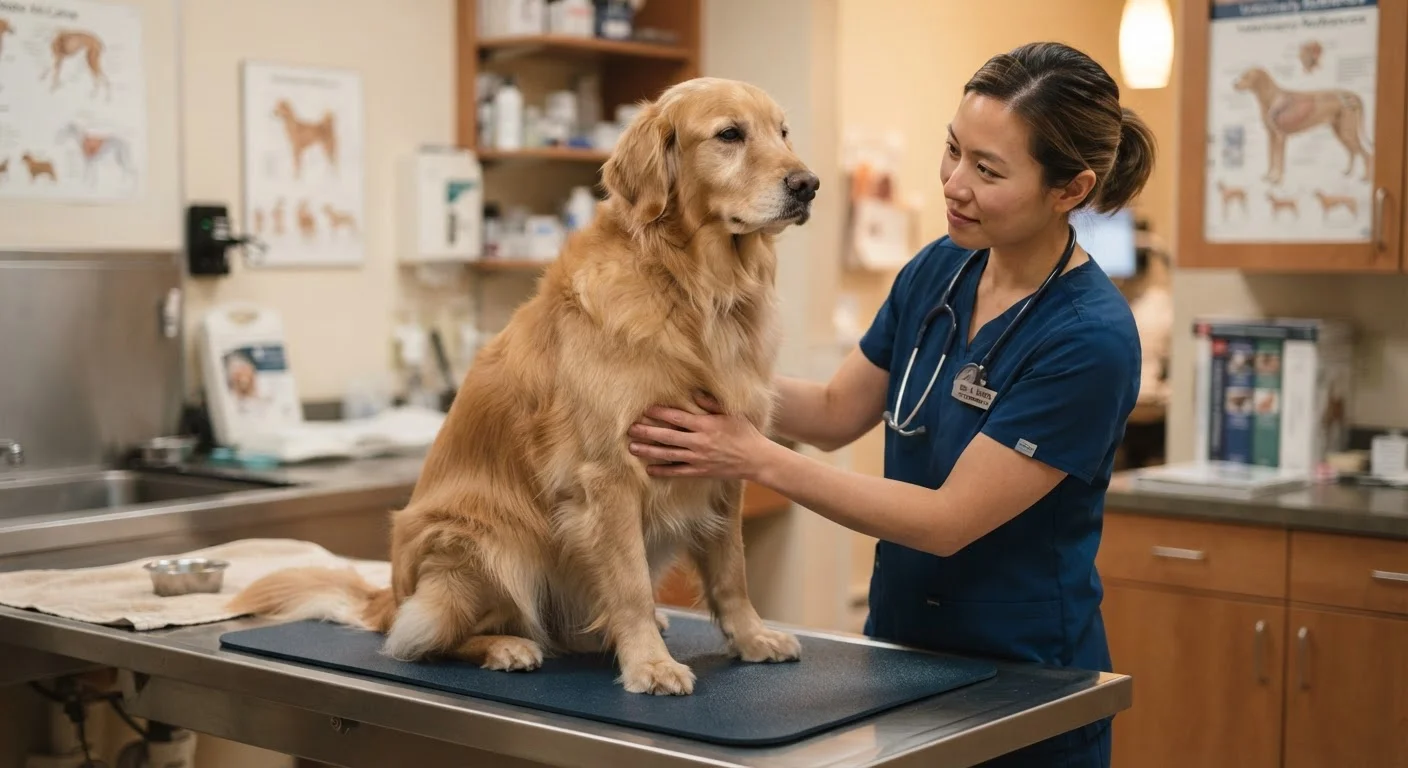
If you suspect your pet is carrying too much or too little weight, the right first step is a veterinary visit - not a diet change made at home. A vet can rule out underlying conditions (thyroid disease, Cushing's syndrome, parasites, cancer) before attributing a weight issue to diet or exercise alone. They can also set a safe, realistic target and timeline.
For pets confirmed to be overweight, treatment typically involves measured meal feeding rather than free-feeding, calorie-appropriate food, and structured daily activity. For underweight pets, identifying the root cause is the priority before increasing food intake.
It is also worth questioning common assumptions. Some beliefs about pet health and nutrition do not hold up under scrutiny - persistent pet wellness myths can sometimes lead owners in the wrong direction when trying to manage weight.
Weight is one of the clearest indicators of a pet's overall health trajectory. The earlier a problem is identified and addressed with veterinary support, the better the long-term outlook for your companion.
“Body weight is one of the vital signs of veterinary medicine. It is inexpensive to monitor, easy to track over time, and often the first measurable signal that something in a pet's health is changing.”
— Dr. Ernie Ward, Veterinarian and founder of the Association for Pet Obesity Prevention