
What the Vet Is Actually Checking
When a veterinarian performs a wellness exam, they're working through a systematic, multi-system assessment - not just a general look-over. Most physical exams evaluate at least the following:
- Weight and body condition score - assessing whether your dog is under, over, or at a healthy weight relative to their breed and build
- Eyes, ears, and nose - checking for discharge, redness, infection, or structural concerns
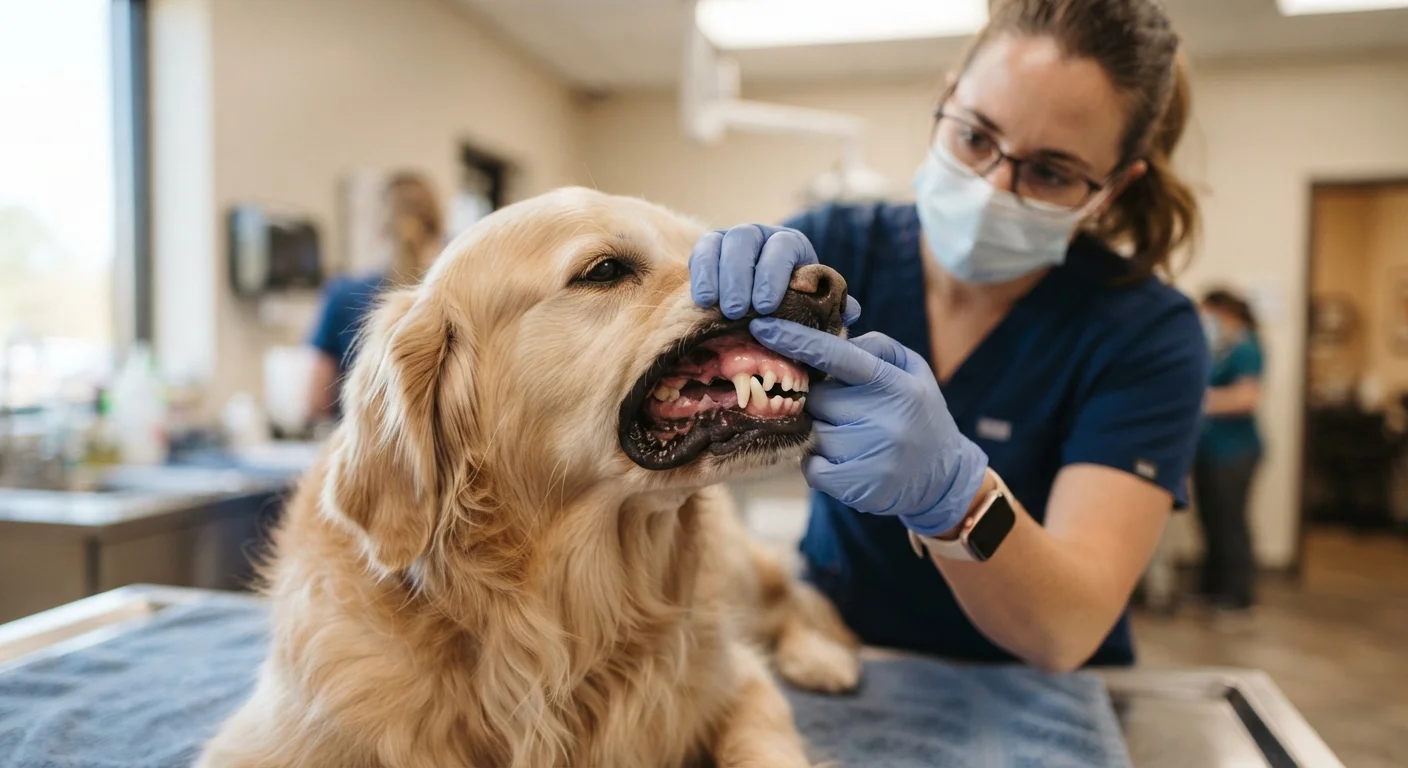
- Mouth and teeth - screening for tartar buildup, gum disease, broken teeth, or oral masses (see more on why this matters in our guide to dog dental health)
- Lymph nodes - palpated for swelling that may indicate infection or immune activity
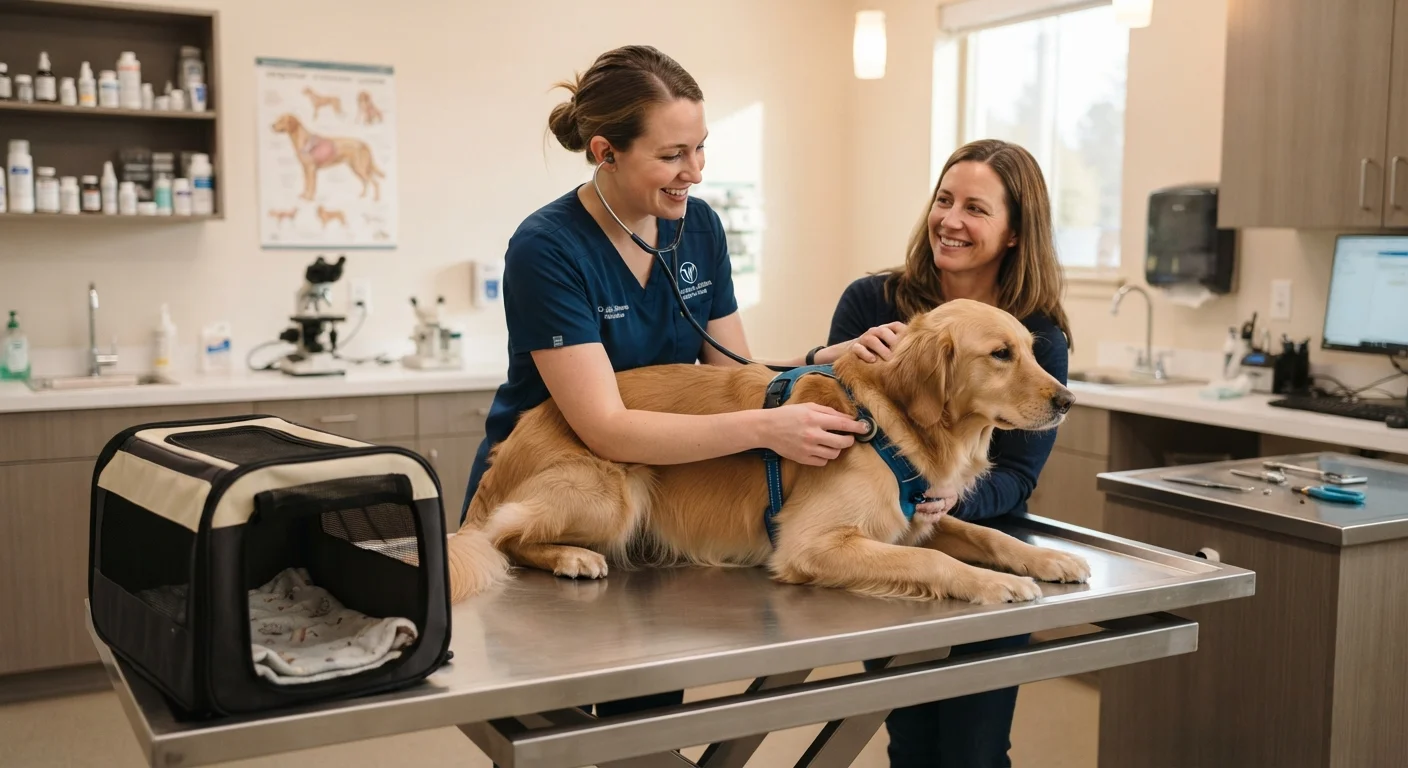
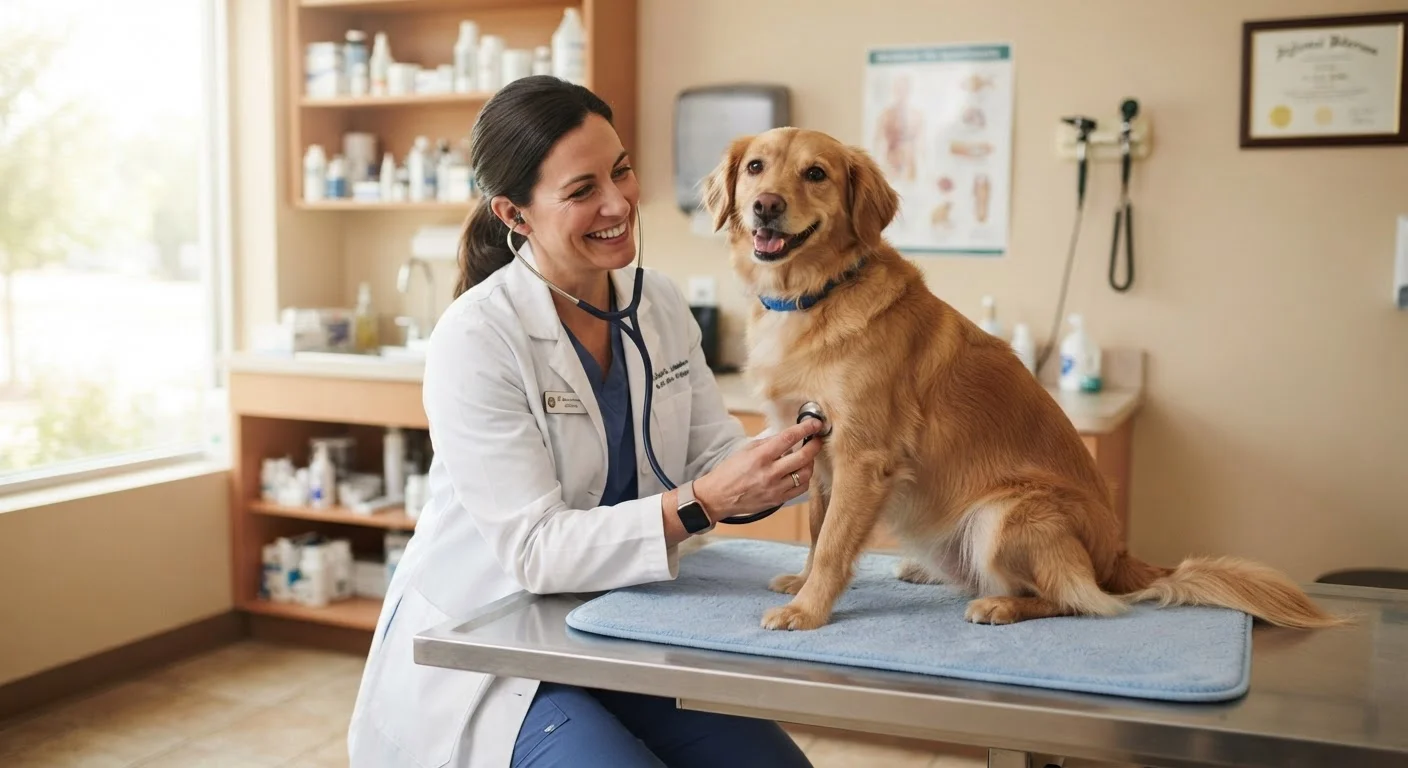
- Heart and lungs - listened to via stethoscope for irregular rhythms, murmurs, or abnormal breath sounds
- Abdomen - felt for organ size, tenderness, or unusual masses
- Skin and coat - examined for parasites, lesions, dryness, or signs of allergic skin conditions
- Musculoskeletal system - joints and gait assessed for stiffness, pain, or early arthritis signs
- Neurological basics - reflexes and coordination noted where relevant
This structured approach means many conditions get flagged before your dog shows any outward symptoms - which is precisely the point of preventive care.
~65%
Dogs show dental disease signs by age 3
According to the American Veterinary Medical Association, dental disease is one of the most commonly diagnosed conditions in dogs - and one of the most frequently missed by owners.
7x
Approximate dog-to-human aging ratio
While the exact ratio varies by breed and size, dogs generally age at a rate that makes one human year equivalent to several dog years - meaning gaps between checkups can represent significant health changes.
1 in 3
Pets diagnosed with cancer in their lifetime
The National Canine Cancer Foundation estimates that roughly 1 in 3 dogs will develop cancer - a reminder that early detection through routine exams can meaningfully affect treatment options.
Vaccines, Parasite Prevention, and Lab Work
The annual visit is also when your vet reviews your dog's vaccination status. Core vaccines - those recommended for all dogs regardless of lifestyle - include rabies and the DA2PP combination (distemper, adenovirus, parvovirus, and parainfluenza). After the initial puppy series, many of these shift to three-year boosters, though rabies schedules vary by state law.
Non-core vaccines are recommended based on exposure risk. Bordetella (kennel cough), leptospirosis, Lyme disease, and canine influenza fall into this category. If your dog visits dog parks, groomers, boarding facilities, or wooded areas, your vet will likely discuss these options.
Ask About Heartworm Before Skipping Prevention
Most heartworm preventives require a negative heartworm test before a vet will prescribe or renew them. If your dog has had a gap in prevention, don't assume it's safe to restart without testing first. Administering preventives to a heartworm-positive dog can cause serious reactions. Your annual exam is the natural checkpoint for this conversation.
Lab work is not always automatic, but your vet may recommend a heartworm test (required before starting or renewing preventive medication), a fecal exam for intestinal parasites, and blood panels for senior dogs or those with ongoing health concerns. Understanding how preventive visits fit into the bigger picture is covered well in our article on preventive versus reactive care.
How Age Changes What the Visit Covers
A puppy's first-year schedule involves multiple visits - typically at 8, 12, and 16 weeks - to complete the core vaccine series and screen for congenital issues. Our new pet first-year checklist walks through those milestones in detail.
Adult dogs (roughly ages 1-7 depending on breed size) typically do well with once-yearly visits, provided no health issues arise between appointments. The conversation shifts toward weight management, dental care, parasite prevention, and behavioral observations.
Senior dogs are a different story. Most vets move dogs to semi-annual checkups starting around age seven for larger breeds. Organ function, joint health, and cognitive changes all warrant more frequent monitoring. If your dog is entering their senior years, our guide to caring for aging dogs covers what to expect and how to adapt their care.
How to Prepare and What to Bring
Getting the most from the visit starts before you arrive. Collect a fresh stool sample (within 24 hours) in a clean container or zip bag. Write down any changes in your dog's eating, drinking, energy, coat, bathroom habits, or behavior - even things that seem minor. Bring current vaccination records if you're visiting a new practice, and list any medications, flea/tick preventives, or supplements your dog takes regularly.
If your dog is anxious at the vet, mention it when you book. Many clinics can schedule lower-traffic appointment times, use fear-free handling techniques, or recommend pre-visit calming strategies. Arriving a few minutes early lets your dog settle before entering the exam room.
Annual wellness care is one piece of a broader picture of pet health. For a fuller view of what "wellness" actually encompasses beyond these yearly visits, see our overview of what pet wellness really means.
“The physical exam remains our most powerful diagnostic tool. It costs nothing extra, requires no lab, and when done systematically, it tells us more about an animal's health than most owners realize.”
— American Animal Hospital Association, Veterinary accreditation and standards body for companion animal practice