
The Real Definition of Casual
Ask most people to define "casual" dressing and they'll say something like: whatever's comfortable, whatever's easy, whatever you throw on. And honestly? That's not wrong - but it's incomplete. Casual is a dress code, not an excuse to opt out of dressing intentionally.
Casual clothing is designed for comfort and relaxed settings, but that doesn't mean anything goes. There's a real difference between looking effortlessly comfortable and looking like you grabbed whatever was on the floor. The gap between those two outcomes usually comes down to a handful of small, repeatable choices - not expensive pieces or insider knowledge.
For a deeper look at how casual pieces can anchor a full wardrobe, see how to build a wardrobe that transitions from casual to formal.
Common Myths About Casual Style - Corrected
A lot of style frustration comes from beliefs that simply aren't true. These misconceptions lead people to either over-complicate their casual looks or completely abandon any sense of intention. Here's what the evidence actually suggests:
Myth
Casual means you don't have to think about what you're wearing.
Fact
Casual just means relaxed - it still benefits from intention, especially in fit and color.
The most effortless-looking casual outfits are usually the result of a few deliberate decisions made in advance: which pieces work together, what fits well, and what condition everything is in. "Not thinking about it" is a feeling good casual dressing can produce - not the method itself.
Myth
If it's comfortable, it automatically looks fine.
Fact
Comfort and appearance are independent - something can be both comfortable and visually intentional, or comfortable and visually chaotic.
Oversized, worn-out, or mismatched pieces can feel great and still read as sloppy. The good news: many comfortable garments also look sharp when they fit correctly and are in good condition. Comfort and polish aren't opposites - they overlap more than most people think.
Myth
You need trendy or expensive pieces to look put-together casually.
Fact
Basics in good condition and the right fit consistently outperform pricey or trendy items that don't suit you.
Style studies and wardrobe research consistently suggest that fit and condition are more impactful than price point or trend alignment. A well-maintained, properly fitting solid-color tee reads cleaner than a worn-out designer shirt. Trends come and go; well-fitted basics are perennially useful.
Myth
Accessorizing casual outfits is overkill or try-hard.
Fact
One or two simple accessories are one of the easiest ways to make a casual outfit look intentional rather than accidental.
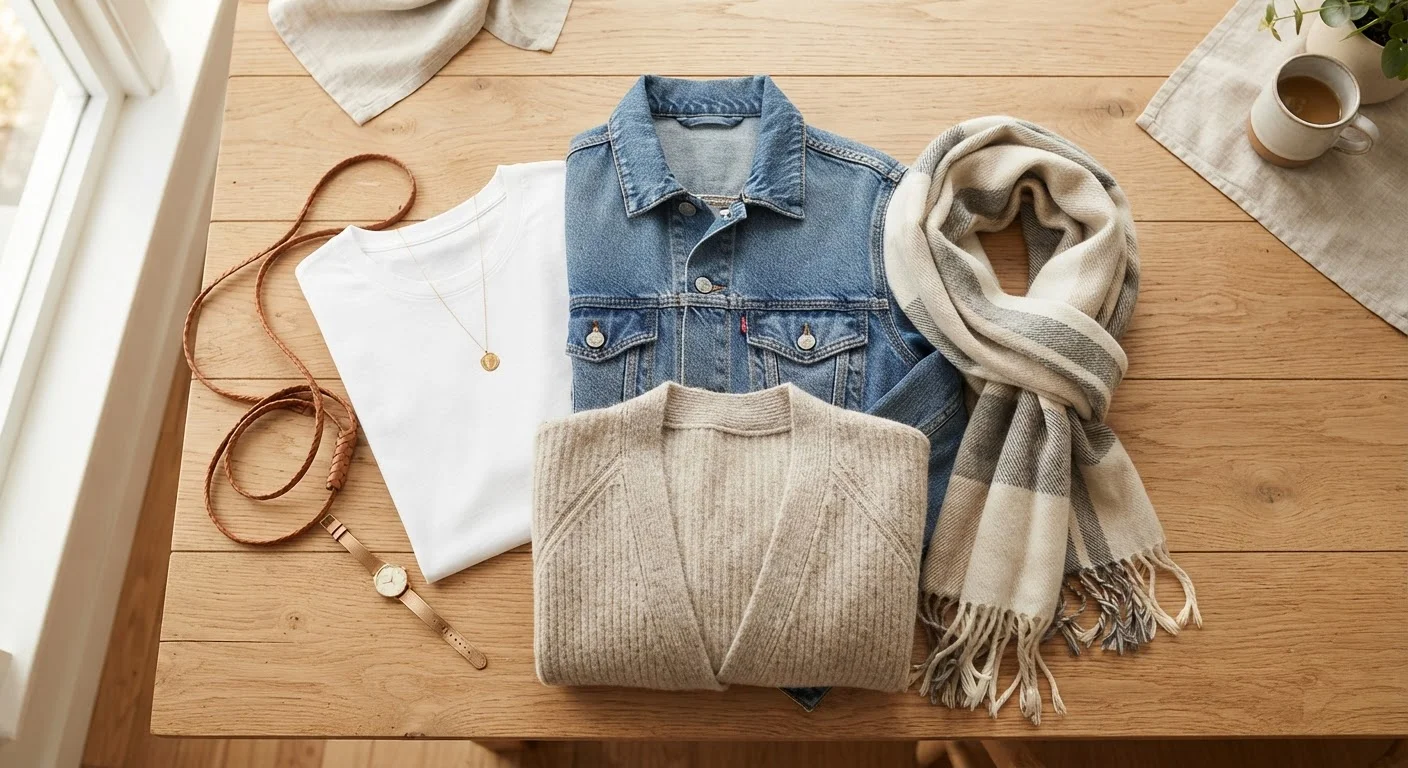
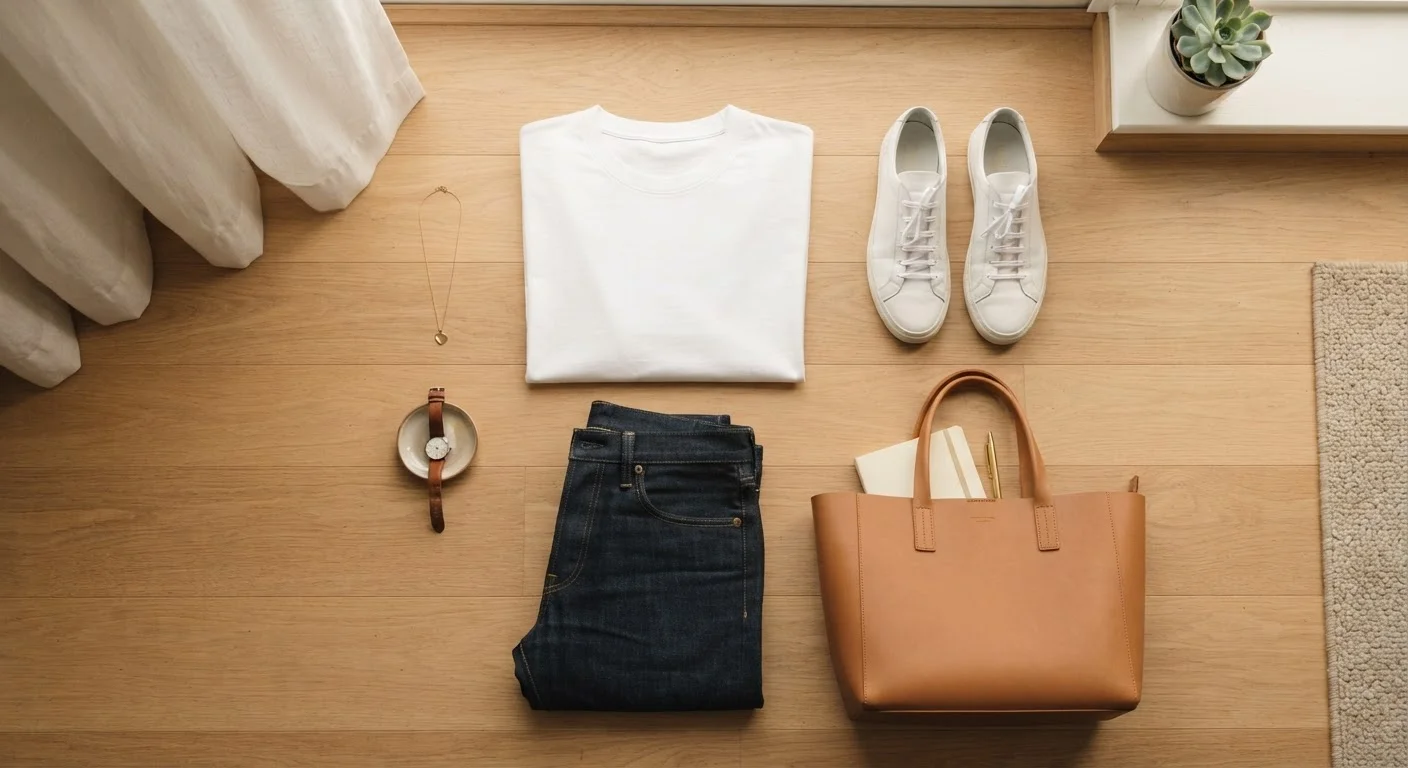
A watch, a simple belt, a clean baseball cap, or even a structured tote bag signals effort without announcing it. You're not dressing up - you're adding a finishing note. The key word is simple: one or two items, not a stack of statement pieces competing for attention.
Myth
Matching everything perfectly is what makes an outfit work.
Fact
Coordination - not matching - is the actual goal. Slight contrast and tonal variety create visual interest without looking chaotic.
Head-to-toe matching (especially in identical colors) can actually flatten an outfit rather than elevate it. Instead, aim for pieces that go together - similar tones, complementary neutrals, or a deliberate contrast. This is easier to achieve than perfect matching and tends to look more natural in everyday contexts.
What Actually Makes a Casual Outfit Work
Strip away the myths and a few practical principles remain. Fit is consistently the most cited factor in whether an outfit looks polished - even among style experts and everyday dressers alike. A plain t-shirt in the right size reads sharper than an expensive shirt that's swimming on you.
Color cohesion is the second big lever. You don't need a sophisticated palette - just keep your outfit in a general family of tones, or choose one neutral base and one accent. Wearing three unrelated colors in loud patterns at once tends to read as chaotic rather than casual.
Condition matters more than most people realize. Pilling, fading, stretched necklines, and worn-out soles all signal "afterthought" regardless of what the item originally looked like. Rotating pieces and storing them properly extends their life significantly.
83%
Of people judge outfit fit over brand
A survey by fashion research group WGSN found that fit consistently ranks as the top factor consumers notice in others' outfits, above brand recognition or trend alignment.
7-10
Core pieces for a functional casual wardrobe
Wardrobe consultants commonly recommend a core of 7-10 versatile basics as the foundation of a practical, low-stress everyday casual rotation.
Finally, one intentional detail - a belt, a clean pair of shoes, a simple layer - can anchor an otherwise simple outfit and signal that yes, this was on purpose. See how layering basics can expand what you already own without adding complexity.
Building Your Casual Rotation
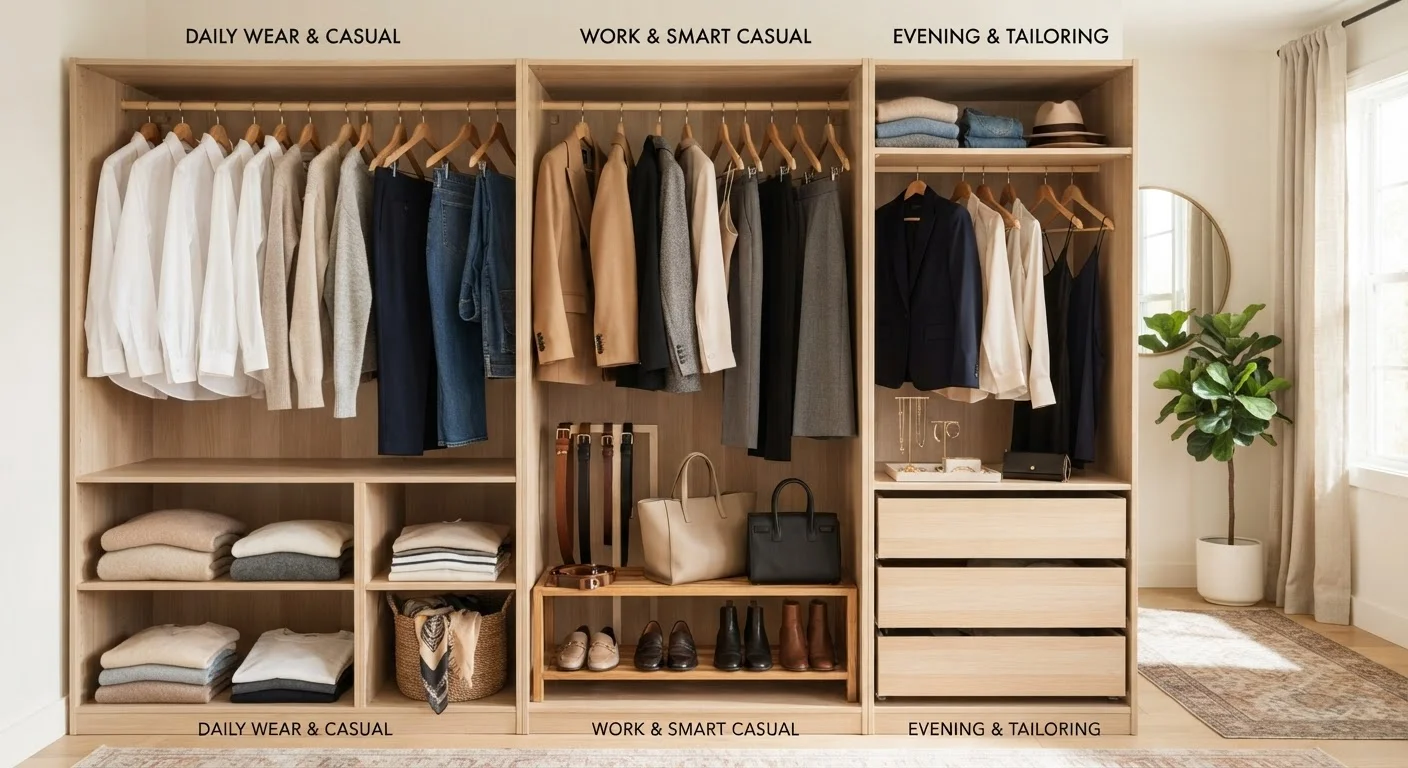
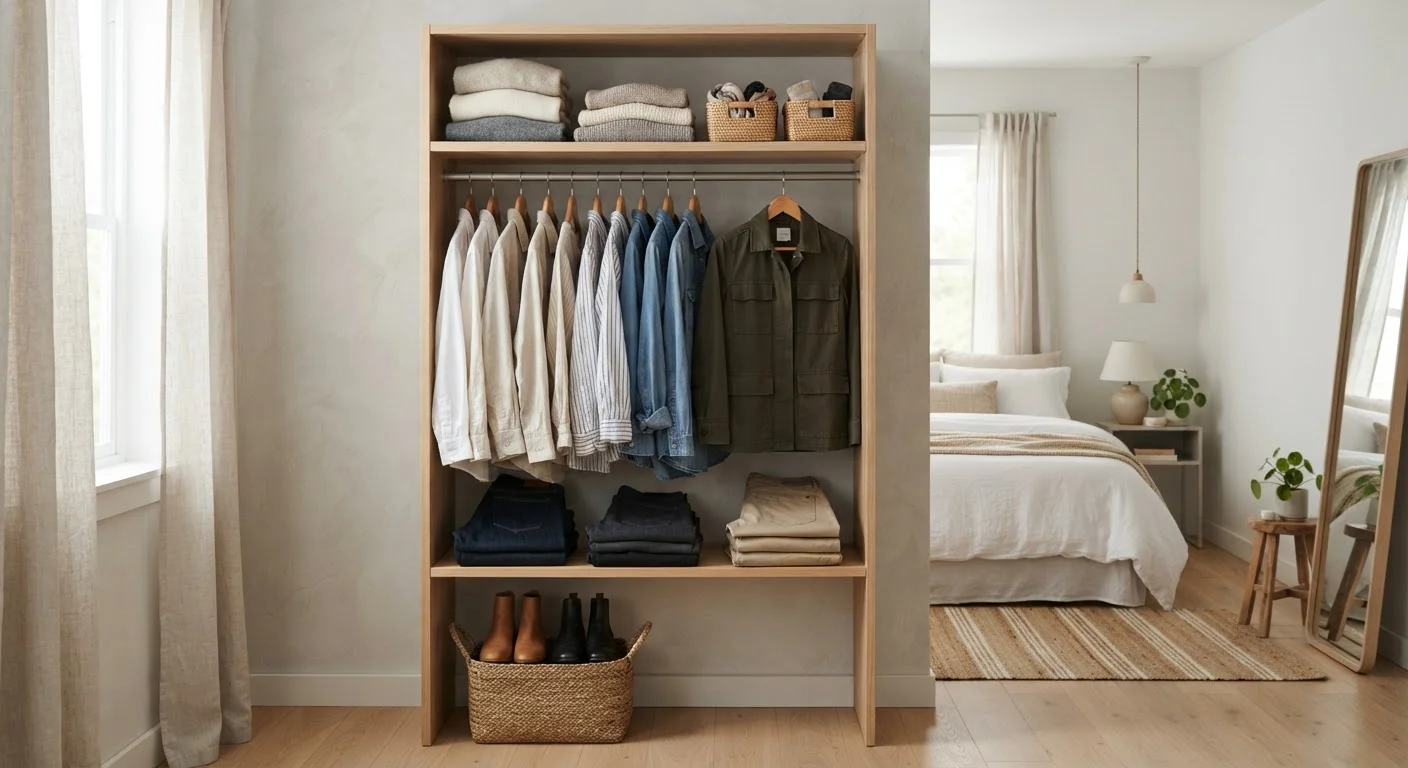
A functional casual wardrobe doesn't need to be large - it needs to be deliberate. A small core of well-fitting basics (think: clean dark jeans, a few solid-color tops, a versatile layer like a denim jacket or zip hoodie, and two pairs of shoes in different weights) can cover most everyday situations without requiring much thought at all.
The goal isn't to look formal. It's to look like you made a choice. That's what separates a casual outfit that earns a second glance from one that just gets ignored - or worse, noticed for the wrong reasons.
Curious how these pieces can carry you across a whole week? Building a wardrobe that works every day of the week walks through exactly that. And if your days shift between work and errands, finding the balance between comfort and looking put-together is worth a read too.
Watch Out for the 'Good Enough' Trap
It's easy to keep wearing pieces well past their useful life because they still technically fit or function. Stretched-out collars, heavily pilled fabric, and yellowed whites can drag down even the most thoughtful outfit. Do a quick seasonal review of your most-worn casual items and retire anything that's clearly past its prime.