
Why Normal Driving Habits Fail in Bad Weather
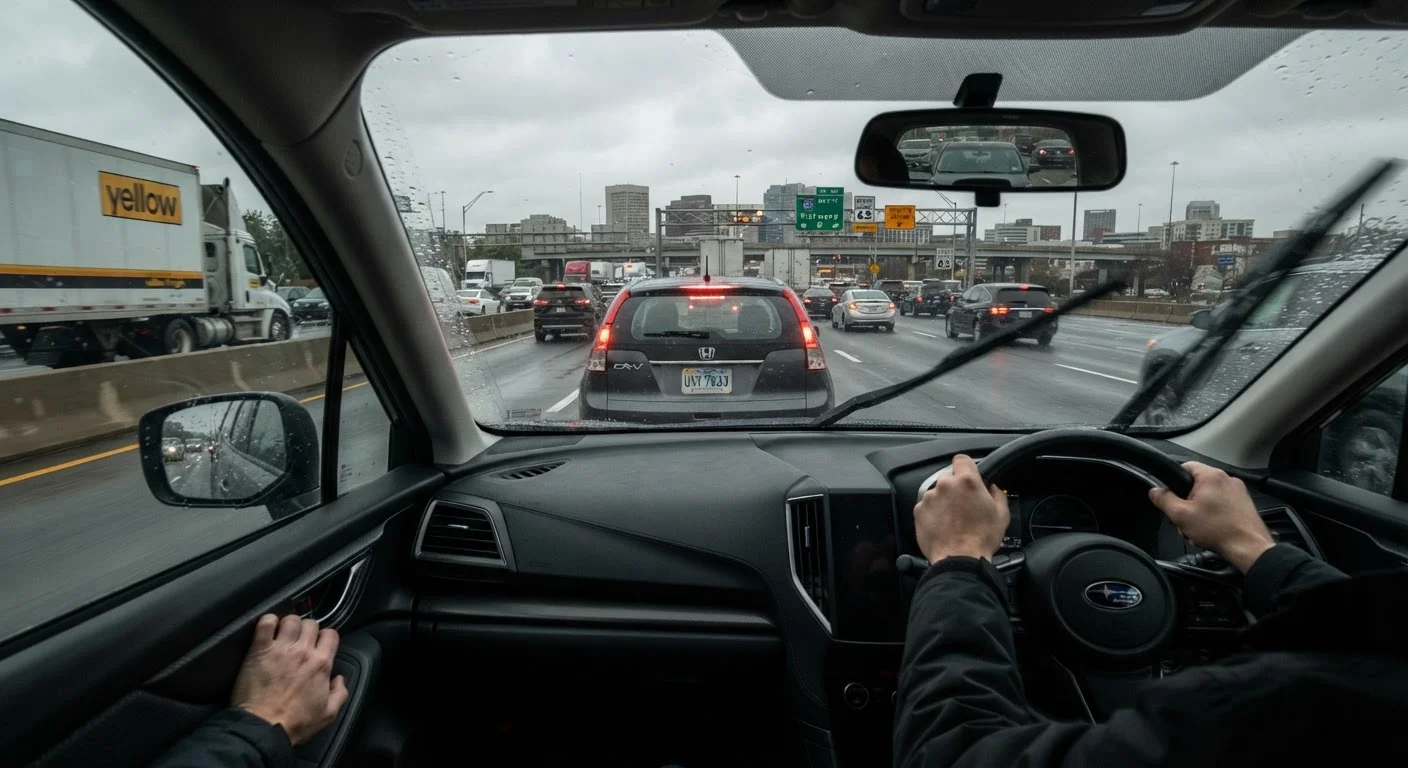
Most US drivers develop habits calibrated for clear skies and dry pavement. Those habits - routine following distances, familiar braking points, comfortable highway speeds - can become liabilities the moment conditions change. Rain reduces tire friction, snow compresses into ice under wheel pressure, and fog collapses the visual field faster than most drivers expect.
The Federal Highway Administration estimates that weather-related crashes account for roughly 21 percent of all vehicle crashes annually in the United States, resulting in tens of thousands of injuries each year. Understanding why bad weather is dangerous - not just that it is - gives drivers the foundation to make smarter adjustments in real time.
~21%
Of all US crashes are weather-related
According to the Federal Highway Administration's Road Weather Management Program, weather is a factor in approximately 21 percent of vehicle crashes annually.
2-10x
Longer stopping distance on ice vs. dry pavement
Transportation safety researchers consistently report that stopping distances on packed snow and ice can be several times longer than on dry roads at the same speed.
Proven Practices for Staying in Control
The following practices draw on established road safety guidance from transportation agencies, driving safety researchers, and state motor vehicle authorities. They apply across weather types, though specific conditions call for specific adaptations.
Reduce speed below the posted limit whenever weather degrades road conditions.
Speed limits reflect safe travel under ideal conditions. Rain, snow, and fog all increase stopping distances and reduce the time a driver has to react. Driving at or above the posted limit in adverse conditions is a leading factor in weather-related crashes.
Extend your following distance to at least four seconds in wet or slippery conditions.
The standard three-second rule for dry pavement is insufficient when braking traction is reduced. Ice and packed snow can multiply stopping distances dramatically. Extra space is the single most reliable buffer against rear-end collisions in bad weather.
Steer gently into the direction of a skid and avoid sudden braking.
Overcorrecting or braking sharply during a skid transfers weight abruptly, often worsening the loss of control. Smooth, deliberate steering gives tires the best chance to regain traction.
Keep headlights on in rain, snow, or fog regardless of ambient light levels.
Visibility in adverse weather isn't just about what you can see - it's about whether other drivers can see you. Headlights significantly increase your vehicle's conspicuity. Many states legally require lights when wipers are in use.
Treat any shiny-looking pavement in near-freezing temperatures as potential black ice.
Black ice forms when moisture freezes into a nearly transparent layer on the road surface. It provides almost no visual warning and drastically reduces tire grip. Bridges and overpasses freeze faster than road surfaces because cold air circulates beneath them.
For additional preparation before heading out in any conditions, see our driver's safety walkthrough covering pre-trip vehicle checks that pay dividends in bad weather.
Condition-by-Condition Adjustments
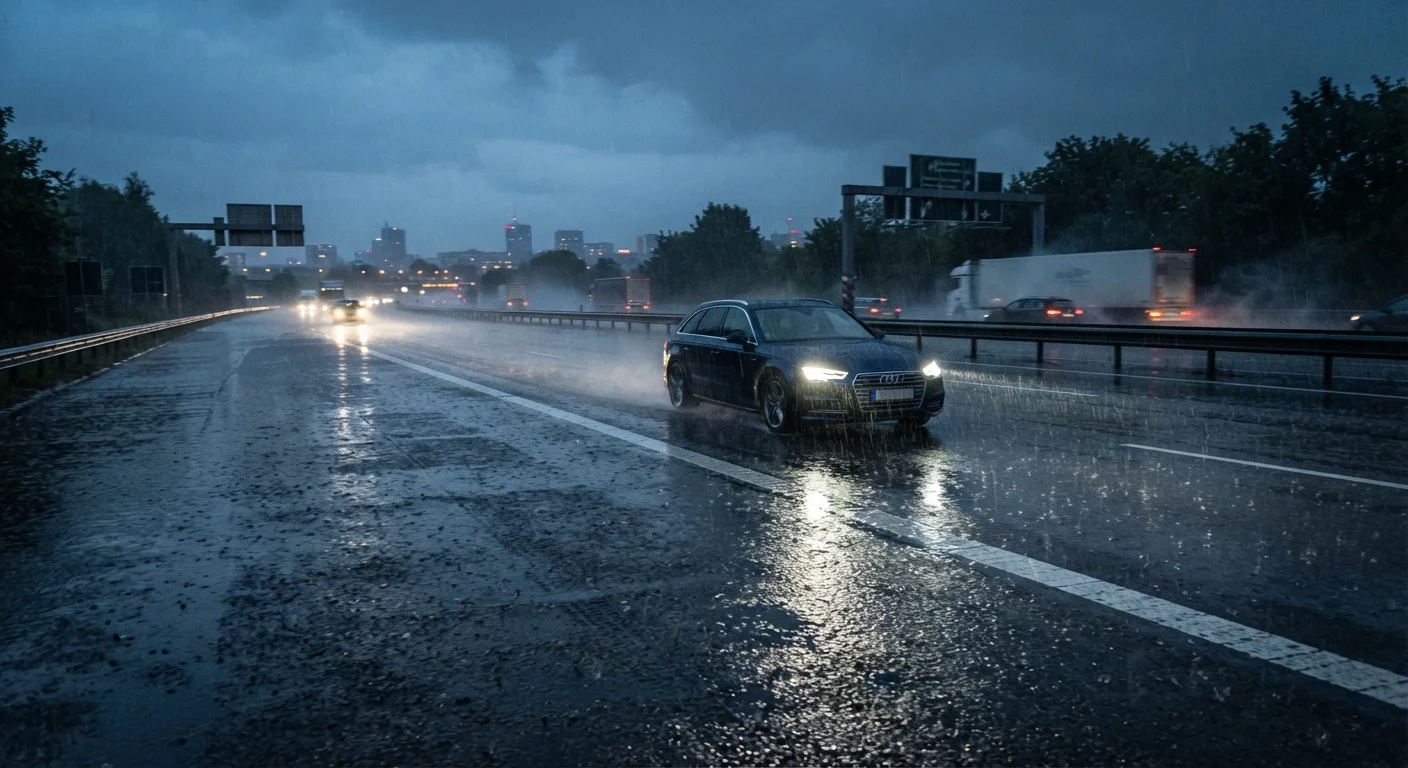
Rain: Turn on headlights even in light rain - many states require it, and it dramatically improves your visibility to other drivers. Reduce speed by at least 5-10 mph on wet roads, more in heavy downpours. If your vehicle begins to hydroplane (tires lose contact with the road surface and ride on a film of water), ease off the accelerator gradually rather than braking sharply.
Snow and Ice: Accelerate and brake slowly. Abrupt inputs break traction on slippery surfaces. Give yourself extra space - stopping distances on packed snow can be 2-10 times longer than on dry pavement. Following too closely is dangerous in any weather; on ice it can be catastrophic.
Fog: Use low-beam headlights, not high beams - high beams reflect off fog and worsen visibility. Reduce speed significantly and use the road's edge markings, not the centerline, as your guide. Pull off the road safely if visibility drops to near zero.
When Fog Gets Severe, Stop Safely
If fog reduces visibility to the point where you cannot see lane markings or vehicles ahead, the safest move is to exit the highway or pull completely off the road onto a shoulder or parking area. Turn on your hazard lights to alert other drivers. Never stop in a travel lane - drivers behind you may not see your vehicle until it is too late.
High Winds: Grip the wheel firmly and watch for sudden gusts, particularly on open highways, bridges, and when passing large trucks. Crosswinds can push a vehicle out of its lane; ease off the accelerator rather than overcorrecting with sharp steering.
Quick Actions You Can Take Before the Next Storm
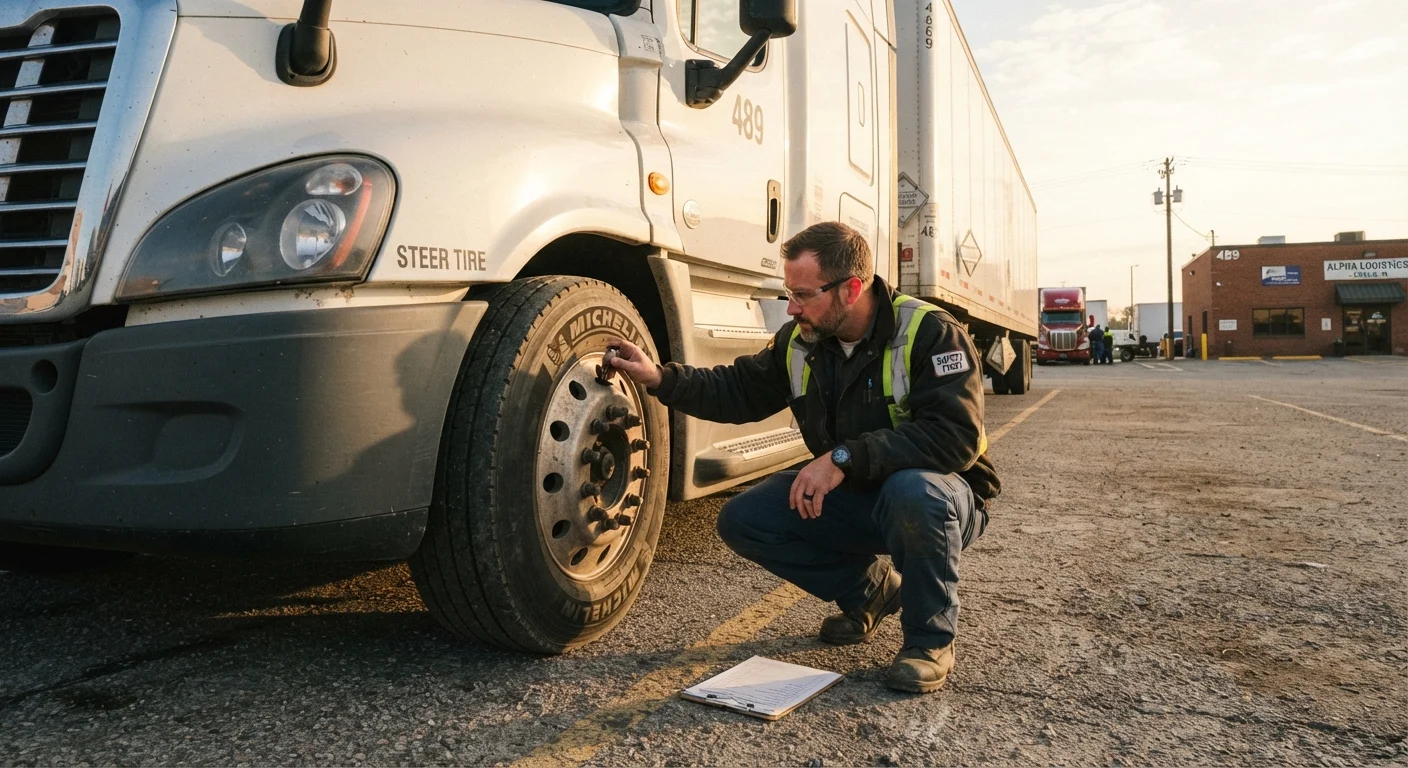
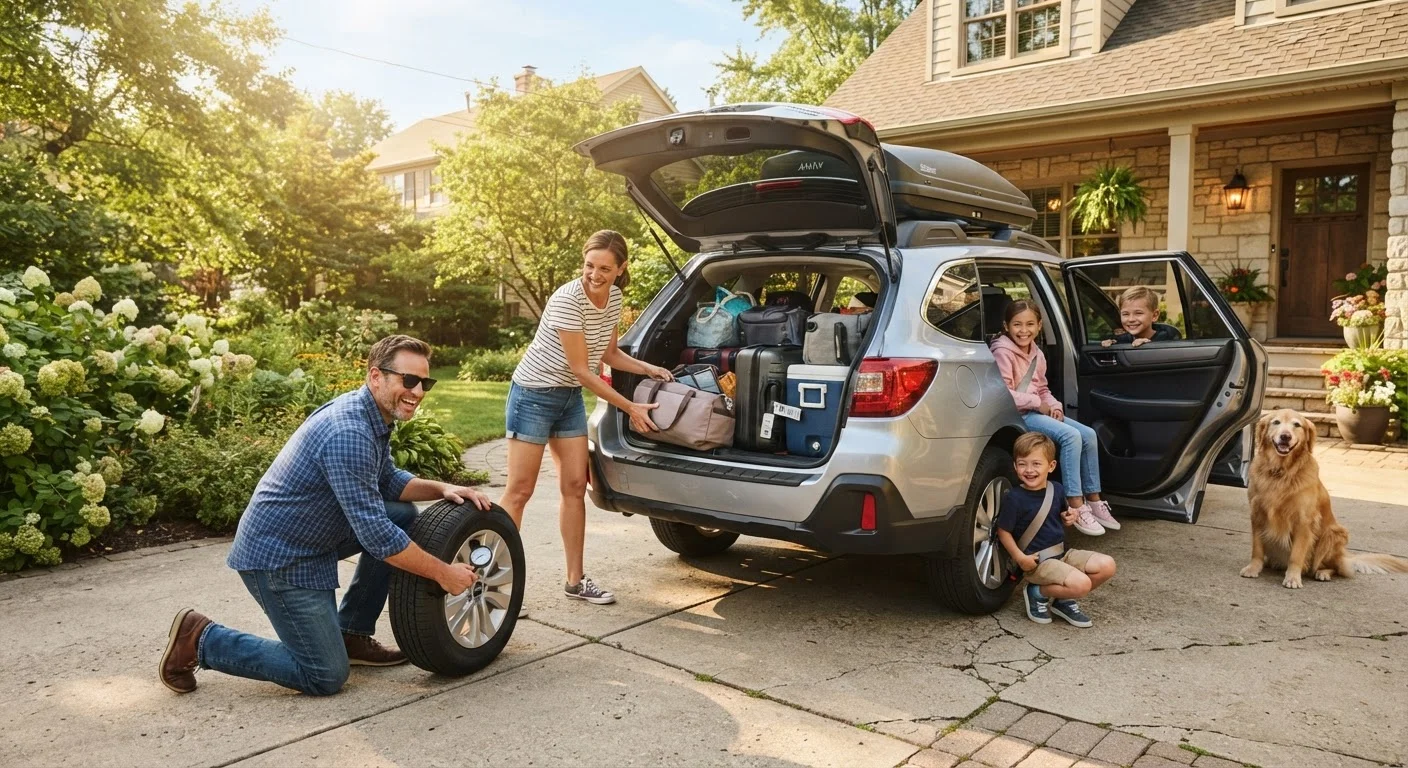
Good weather driving actually starts before you get behind the wheel. Ensuring your tires have adequate tread depth, your wiper blades are functional, and your defroster works properly can make an immediate difference in a sudden storm. For a comprehensive pre-trip check, our safety walkthrough covers the essentials. Families with children in the vehicle will also find relevant guidance in our road trip safety guide for families.
This article is for general informational purposes only. Always follow applicable traffic laws and consult your state's motor vehicle authority or a certified driving instructor for guidance specific to your situation.