
What Shrinkflation and Skimpflation Actually Mean
Both shrinkflation and skimpflation are responses to rising production costs - but they work differently and require different detection strategies.
Shrinkflation means the physical quantity in a package decreases while the price stays the same or increases. You get fewer chips, fewer sheets, fewer fluid ounces. The package often looks nearly identical to the old one, which is part of the point.
Skimpflation means the quality of what's inside changes rather than the quantity. A sauce gets thinner. A cleaning product's active ingredient concentration drops. A shirt uses a lower-grade fabric blend. The amount is the same; what you're actually getting is less effective or less durable.
Neither practice is new, and neither is illegal. They're rational manufacturer responses to cost pressures - but they transfer costs to consumers without a clear price signal at the shelf. Understanding how to detect them is a practical extension of smart shopping fundamentals covered in our framework for everyday shopping.
Package Redesigns Often Signal Size Changes
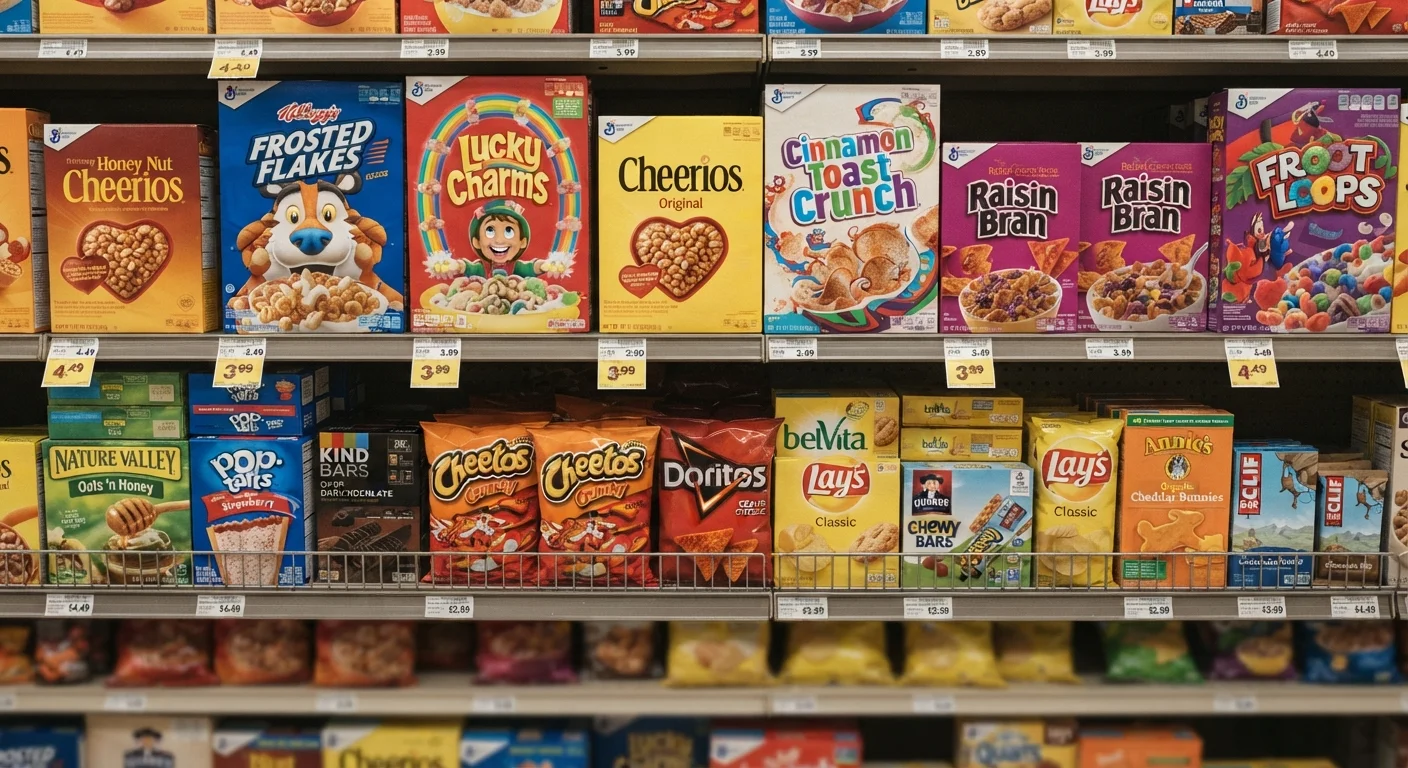
When a brand rolls out new packaging - new colors, updated fonts, a 'fresh look' - that's a common moment to quietly reduce contents. If a product you regularly buy suddenly gets a visual refresh, check the net weight on the label before assuming you're getting the same amount.
Common Myths - and What the Evidence Actually Shows
Shoppers carry several assumptions about pricing and packaging that these practices quietly exploit. Here's where those assumptions break down.
Myth
If the price didn't change, I'm paying the same as before.
Fact
A stable price means nothing if the package now holds fewer ounces or fewer units than it used to.
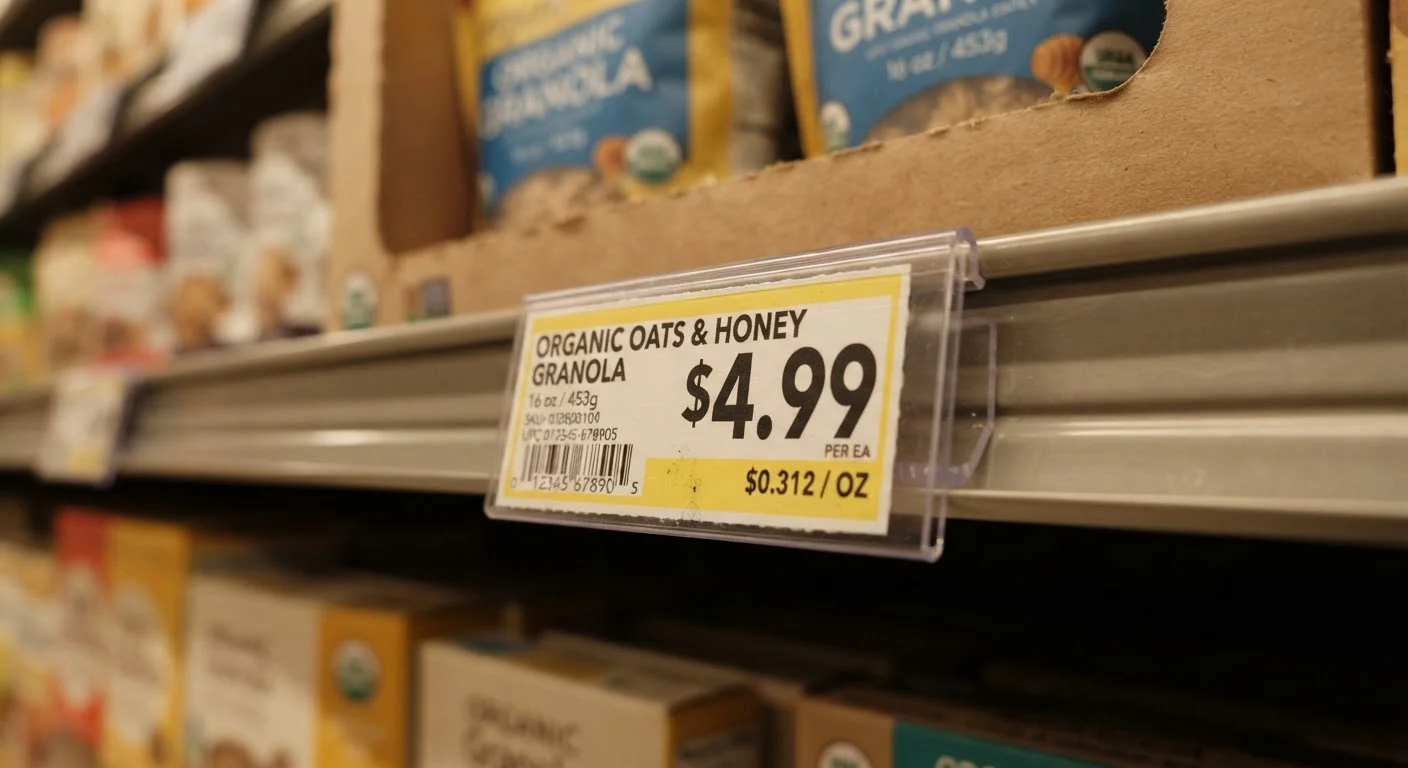
This is the core of shrinkflation: the sticker price holds steady (or rises only slightly) while the net weight or count quietly drops. A 16-oz jar becomes 14 oz. A 12-pack becomes 10. Shoppers scanning prices at the shelf register stability - but they're actually paying a higher effective rate per unit. The unit price on the shelf tag is the only reliable way to catch this, because it translates everything into a common denominator like cost per ounce or cost per sheet.
Myth
Shrinkflation only affects food - it doesn't touch household or personal care products.
Fact
Shrinkflation occurs across virtually every consumer product category, from paper towels and laundry detergent to shampoo and toilet paper.
Roll counts on paper products, fluid ounces in shampoo bottles, and sheet counts on paper towels have all declined over time for many product lines - often without fanfare. The same economic pressures that drive food manufacturers to reduce portion sizes apply to producers of household staples. Comparing unit prices across sizes and brands is just as useful in the cleaning aisle as it is in the snack aisle.
Myth
If a product gets worse, it must cost less - companies wouldn't charge more for lower quality.
Fact
Skimpflation is specifically the practice of reducing quality while maintaining or raising the price, and it's documented across food and non-food categories alike.
Skimpflation operates differently than shrinkflation. Instead of giving you less volume, a manufacturer substitutes a cheaper ingredient, thins a fabric, reduces the thread count, or lowers the concentration of an active ingredient. The package looks identical. The price is the same or higher. But what's inside has changed. This is harder to detect than a weight reduction because there's no single number on the label that flags it - you often only notice through product performance over time.
Myth
Buying the larger 'value' size always protects you from these tactics.
Fact
Larger sizes can also be subject to shrinkflation, and the per-unit cost advantage is not guaranteed.
The assumption that bigger is always cheaper per unit is worth testing, not assuming. Some large-format packages have had their contents reduced proportionally - or more than proportionally - meaning the per-unit savings shrinks or disappears. Always verify the unit price for every size on the shelf rather than defaulting to the largest option. For context on when size actually correlates with value, see our Shopping Basics hub.
Myth
Manufacturers are required to tell you when they reduce the size of a product.
Fact
There is no general U.S. requirement to notify consumers of a package size reduction, as long as the new net weight is accurately printed on the label.
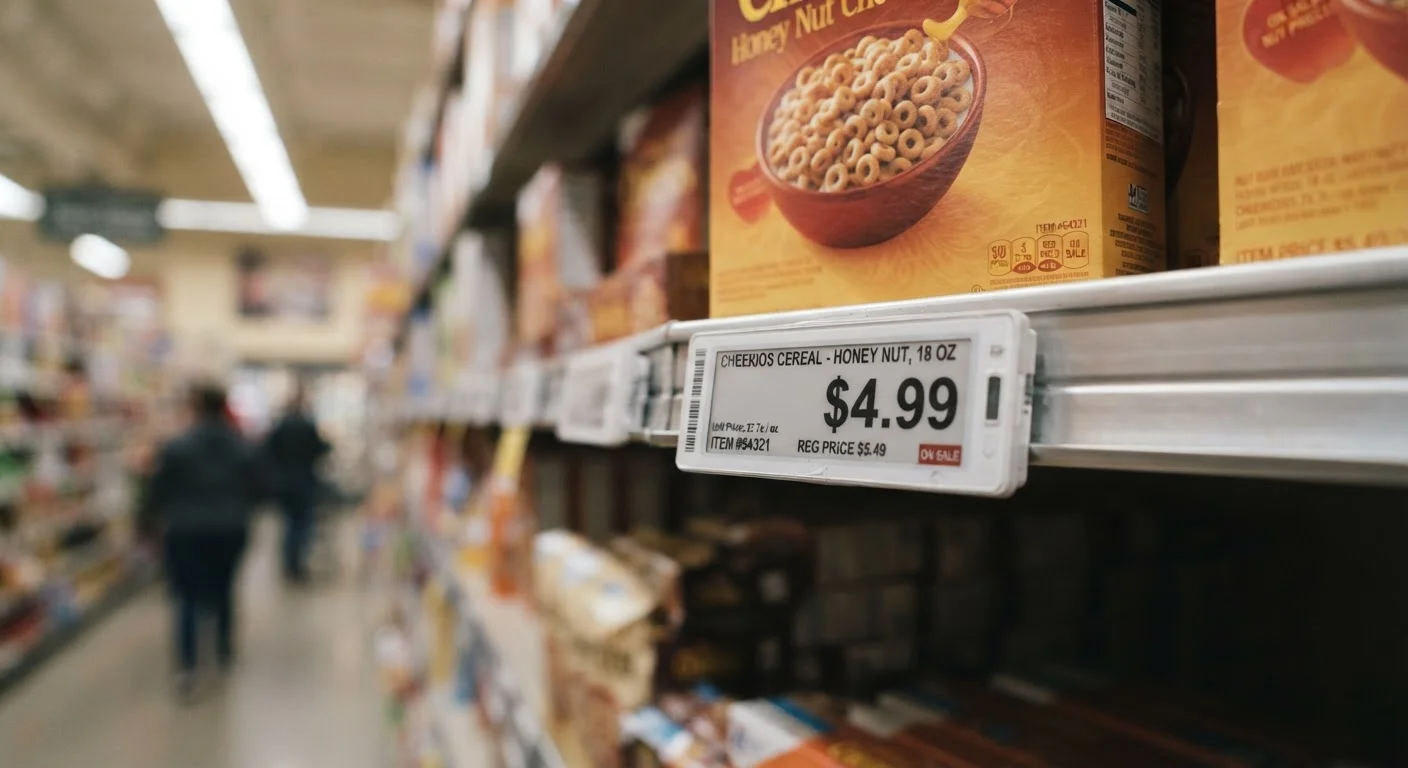
Net weight labeling rules require that what's printed on the package be accurate - but they don't require companies to announce changes or make reductions obvious. A brand can move from 18 oz to 16 oz simply by updating the fine print on the label. This is why passive reliance on brand familiarity can quietly cost shoppers money. Active label reading and unit price comparisons are the practical defense. Understanding what shelf labels actually communicate is a foundational consumer skill.
These Practices Are Legal - and Common
Shrinkflation and skimpflation are not deceptive in a legal sense; manufacturers are required to print net weight accurately on packaging. The challenge is that consumers rarely compare current and past packaging side by side. Knowing the tactics exist is the first step to not being caught off guard.
Practical Ways to Protect Yourself at the Shelf
Once you know what to look for, a few consistent habits significantly reduce how much these tactics cost you over time.
- Read the net weight, not the package size. The physical dimensions of the box or bottle mean nothing. The net weight or count printed on the label is the only number that tells you what you're actually buying.
- Use unit prices consistently. Most U.S. grocery retailers are required to display unit prices on shelf tags. Compare cost per ounce, per count, or per sheet - not per package. This also helps you evaluate whether a premium product's upgrades are genuinely worth paying for.
- Track products you buy regularly. A quick photo of a label's net weight before a package redesign gives you a baseline for comparison later.
- Test product performance, not just price. For skimpflation, quantity labels won't help. Pay attention to how a product actually performs - how many loads you get from a detergent, how long a lotion lasts - and flag changes that don't match the price.
- Be especially alert after packaging changes. Visual refreshes are a statistically common moment for quiet size reductions.
~10%
Typical product size reduction in shrinkflation cases
Academic and consumer research reviews suggest reductions often fall in the 5-15% range - small enough to escape notice but meaningful over time.
Decades
How long shrinkflation has been documented
Consumer researchers and economists have tracked product downsizing as a recurring manufacturer response to cost pressures since at least the 1980s.