
Where to Find It and What It Looks Like
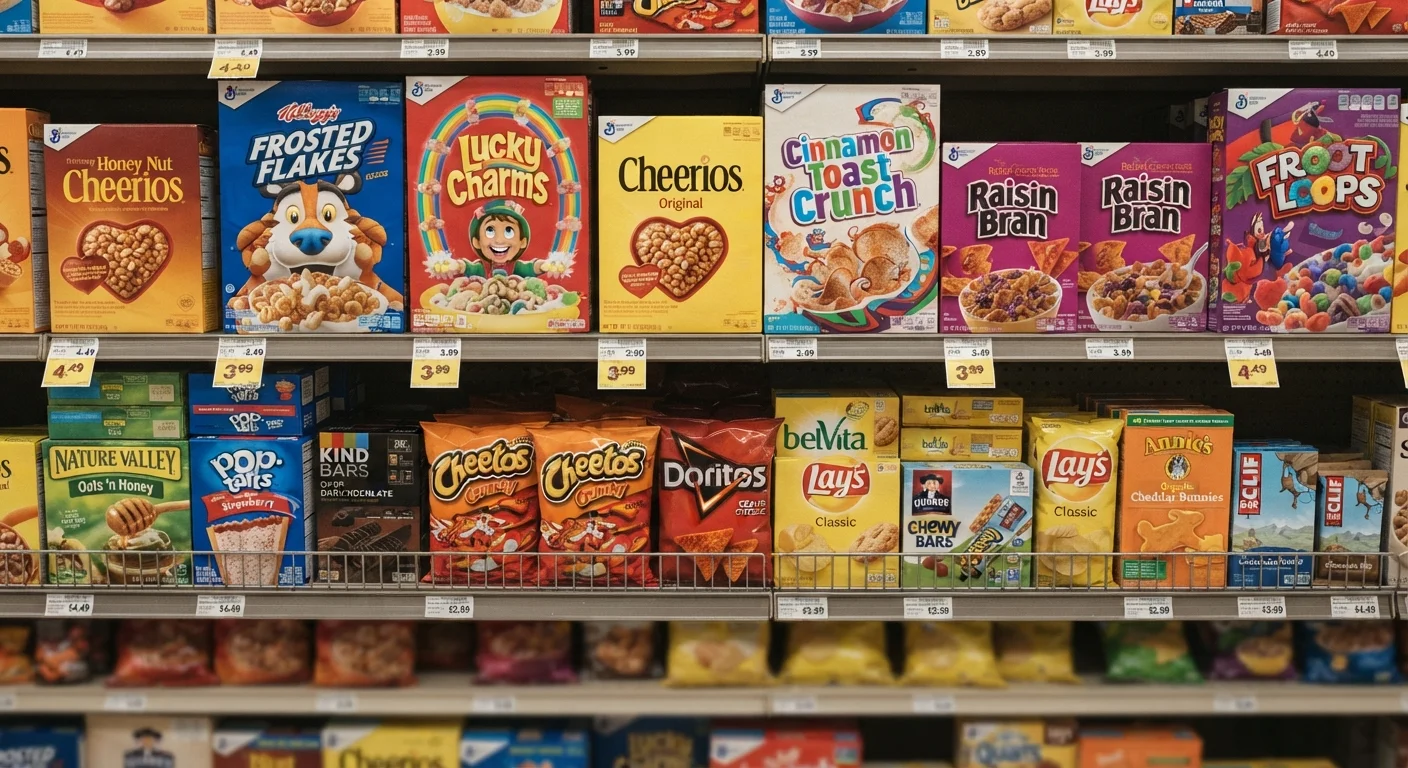
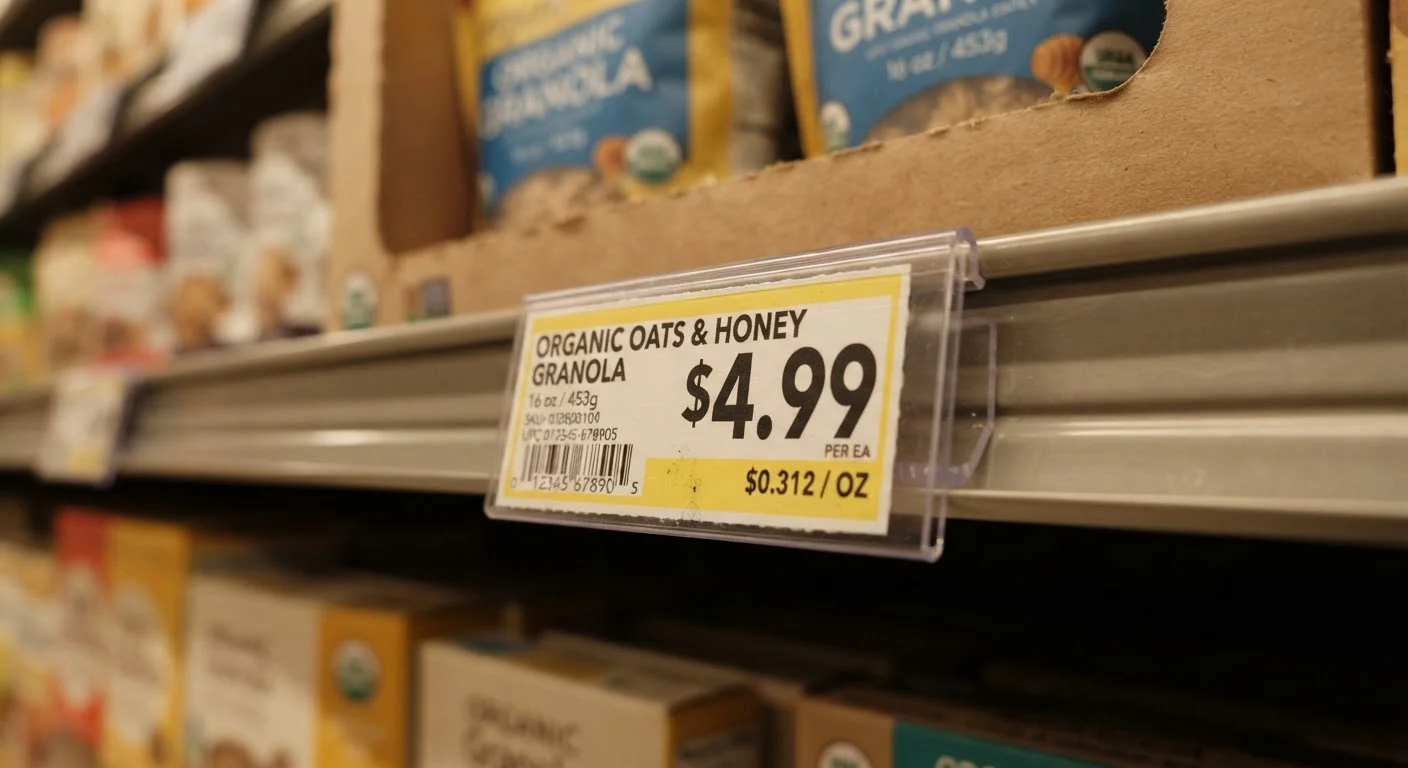
Most shelf tags are split into two tiers of information. The large, prominent number is the total package price - that's what you'll pay at checkout. Below it, often in noticeably smaller font, is the unit price: something like $0.18/oz or $0.04/ct. It may appear in a separate box, a bottom strip, or alongside an abbreviation for the unit of measure.
The unit of measure matters. Common ones include:
- oz - fluid ounce or ounce by weight
- lb - pound
- ct - count (individual items)
- ml or L - milliliter or liter
When comparing two products, make sure they share the same unit. A price per count and a price per pound describe entirely different things and can't be directly compared.
State Laws Vary on Unit Price Display
Not every retailer in every state is legally required to display unit prices, and formatting requirements differ where laws do exist. If you don't see a unit price on a shelf tag, you can calculate it yourself using the package weight or count printed on the label. Online grocery platforms often display unit price in the product listing, making comparison easier than in-store shopping.
Why Total Price Alone Misleads You
A $4 bottle of shampoo sitting next to a $6 bottle looks like an obvious choice - until you check the unit price. If the $4 bottle is 10 oz ($0.40/oz) and the $6 bottle is 20 oz ($0.30/oz), you're paying more per wash by choosing the cheaper-looking option.
This dynamic shows up across almost every grocery category: cleaning supplies, cereal, coffee, protein powder, canned goods. Package sizing is rarely standardized across brands, which is exactly why unit price exists as a comparison tool.
~2x
Unit price range between sizes of same product
Consumer research consistently finds unit prices can vary by roughly 50-100% between the smallest and largest available sizes of identical products within the same store.
30+
U.S. states with unit pricing regulations
According to consumer protection researchers, more than 30 states have some form of unit pricing law covering food and household goods, though enforcement and scope vary.
It's also worth understanding how shelf pricing connects to broader retail strategies. Not every markdown is the straightforward deal it appears to be - see our guide to retail, sale, and clearance pricing for context on how different price labels actually work.
When Bulk Isn't the Better Deal
Bulk buying has a strong reputation for saving money, but unit price comparison often complicates that assumption. A warehouse club pack may have a lower unit price than a grocery store single, but not always - and not for every product category.
Several situations where bulk loses its edge:
- Perishables you can't finish - wasted product eliminates any per-unit savings.
- Items on deep promotional discount - a sale on a single-serve size can temporarily undercut the bulk unit price.
- Store-brand vs. name-brand differences - a store-brand small size sometimes costs less per unit than a name-brand large.
Check the Unit Before You Compare
Before concluding one product is cheaper per unit, confirm both shelf tags use the same measurement. A laundry detergent priced per load and another priced per ounce require different math. Some retailers also switch units between product sizes within the same brand, which can make comparisons look more favorable than they really are.
Unit price is also a useful tool for spotting shrinkflation - when manufacturers quietly reduce a package's contents without lowering the price. The total price on the tag stays the same, but the unit price quietly rises. Our article on shrinkflation and quiet product changes explains how to recognize these shifts before they hit your budget.
Making Unit Price a Habit
The practical habit is simple: before putting any packaged product in your cart, glance at the unit price rather than the total. It takes about two seconds and removes the guesswork from size comparisons entirely.
If the shelf tag is missing a unit price - which happens - the math is straightforward: divide total price by the number of units in the package. A $3.60 jar containing 18 oz costs $0.20 per ounce. Most phones have a calculator built in.
Pair this skill with a healthy skepticism about reference prices. A sale sticker doesn't automatically mean a lower unit price, and a higher total price doesn't mean worse value. For a deeper look at how reference pricing can mislead, see our piece on why original price tags are often less reliable than they look.
Unit price is one of the few pieces of information on a shelf tag that's purely comparative - it's already done the math for you. Using it consistently is one of the most straightforward ways to stretch a grocery budget without changing what you buy.