
The Real Cost of a Purchase
Spending less is rarely about buying cheaper things. It's about understanding what you're actually exchanging - not just dollars, but time, space, and future choices. When a purchase doesn't deliver enough value relative to what it cost you, you've lost ground even if the price tag seemed low.
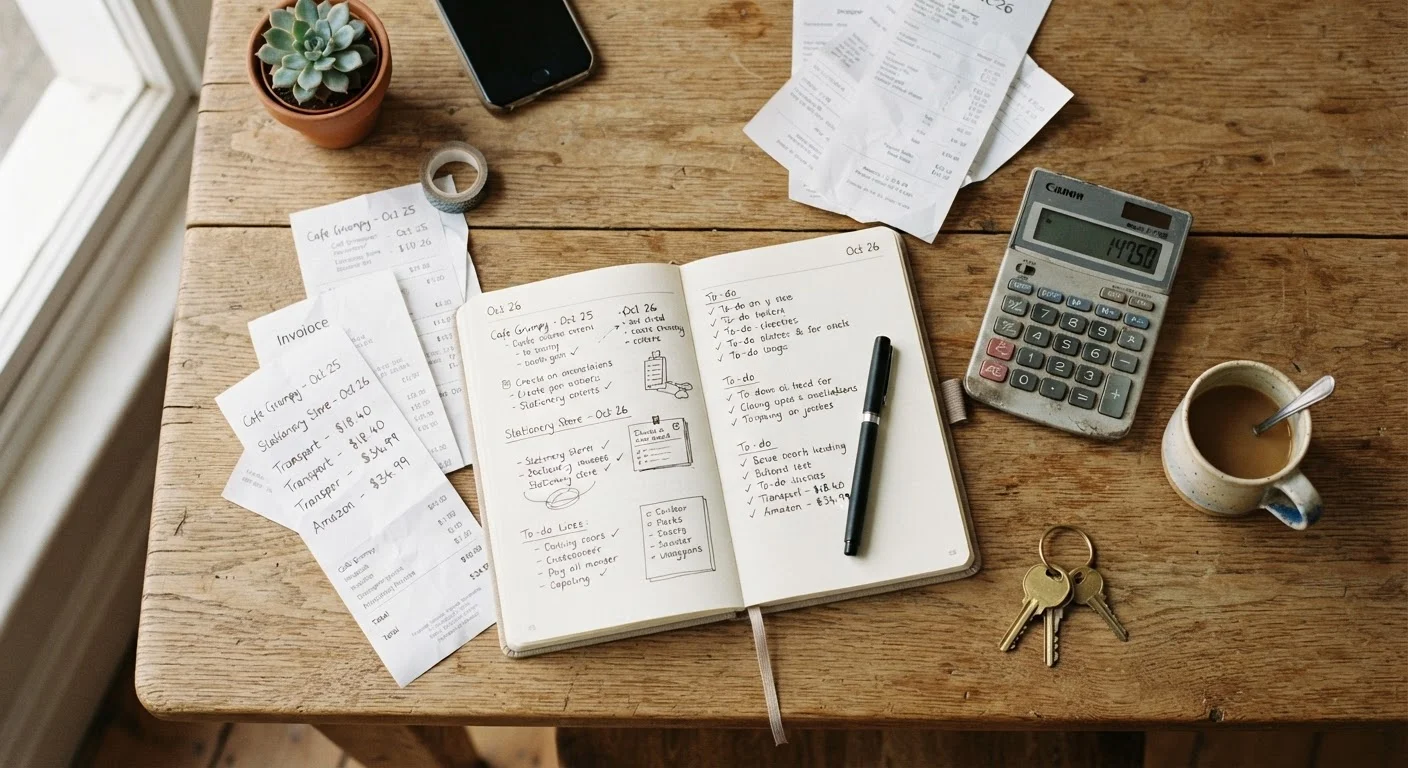
Before building any shopping framework, it helps to see where your money currently flows. Mapping your spending patterns month by month often reveals surprising concentrations - categories where dollars accumulate quietly without conscious decision-making.
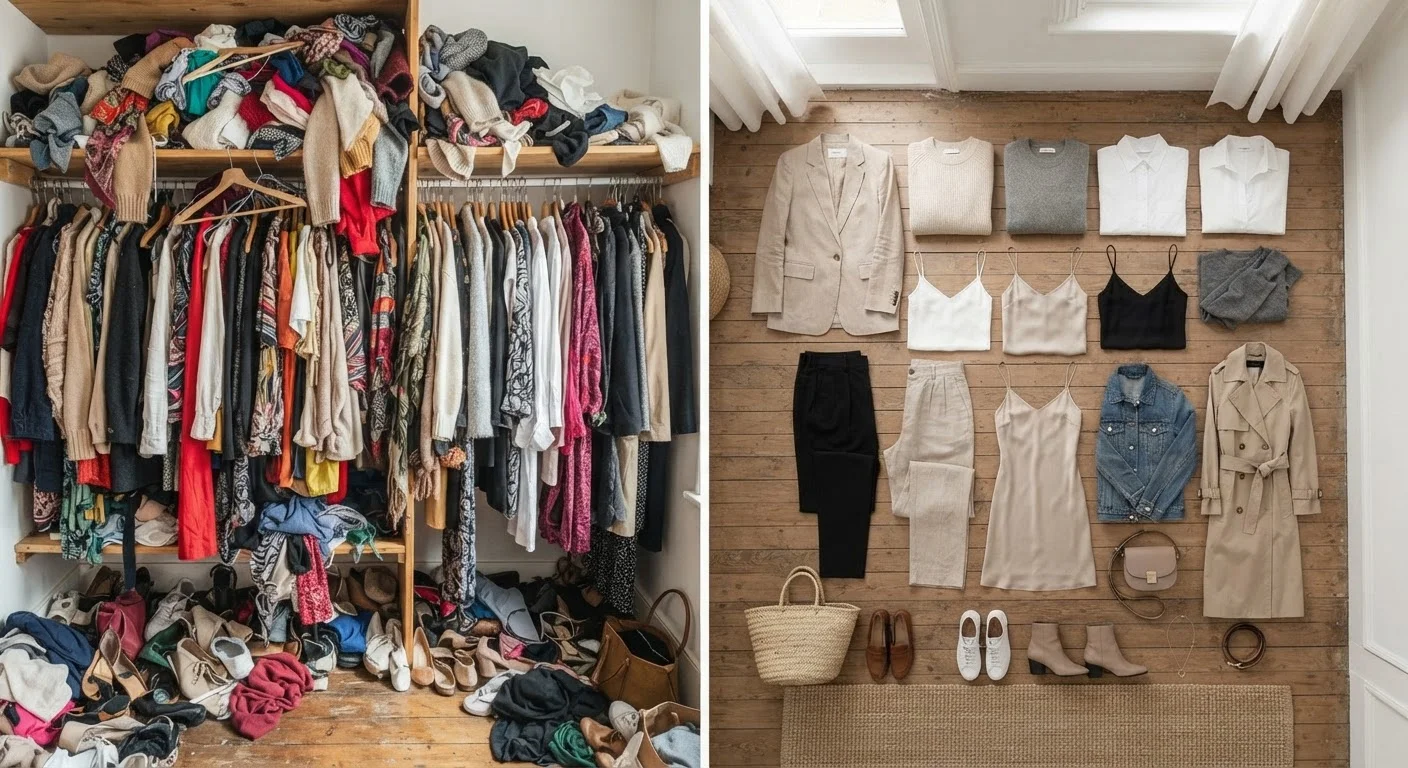
The same logic applies to categories like clothing. Buying more items doesn't automatically expand your options; without a deliberate strategy, it can shrink them. The wardrobe paradox is a useful illustration of how volume without intention works against you.
~$5,400
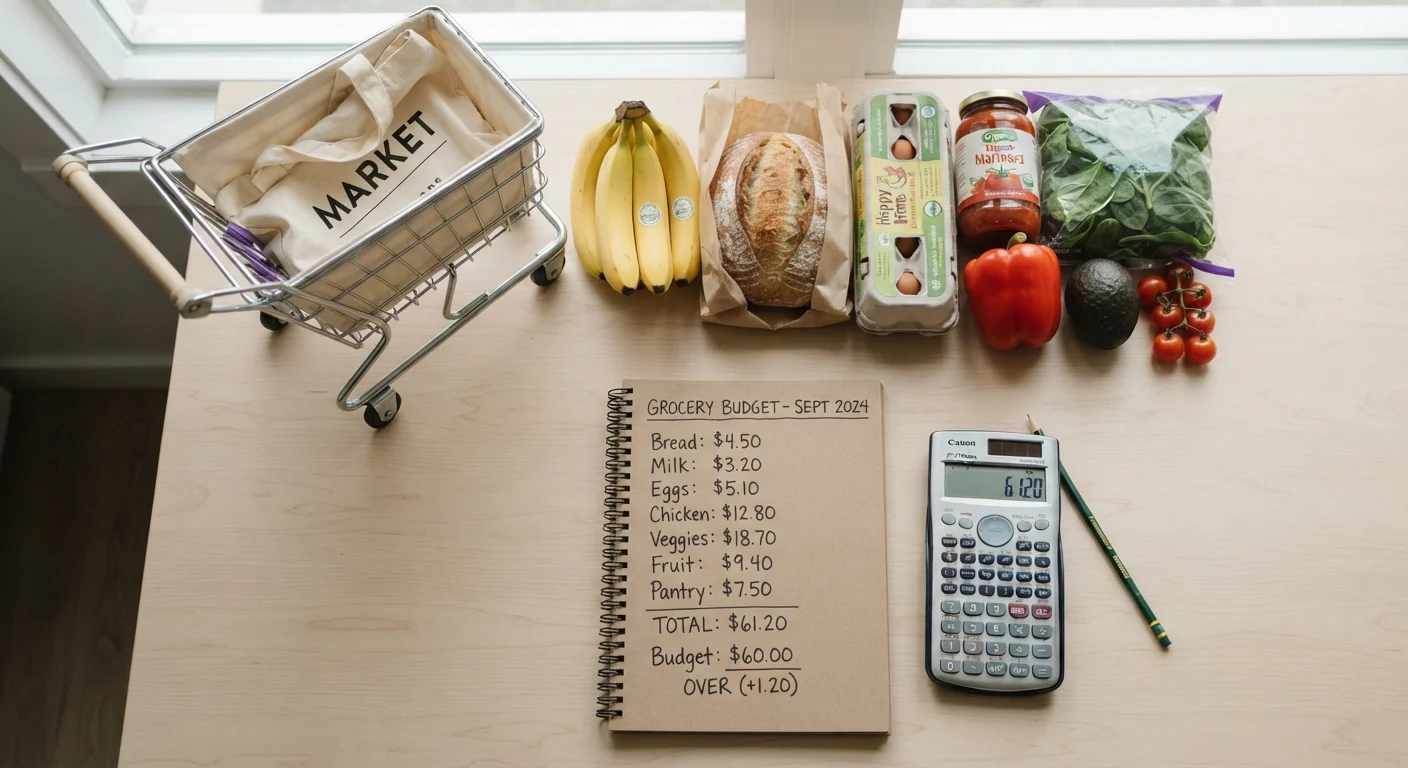
Average annual U.S. household spend on food at home
According to the U.S. Bureau of Labor Statistics Consumer Expenditure Survey, groceries represent one of the largest controllable spending categories for most households.
30%+
Typical end-of-season apparel markdown depth
Retail industry analysis consistently finds that seasonal clearance events produce markdowns well above standard promotional discounts in the apparel category.
Reading Prices More Accurately
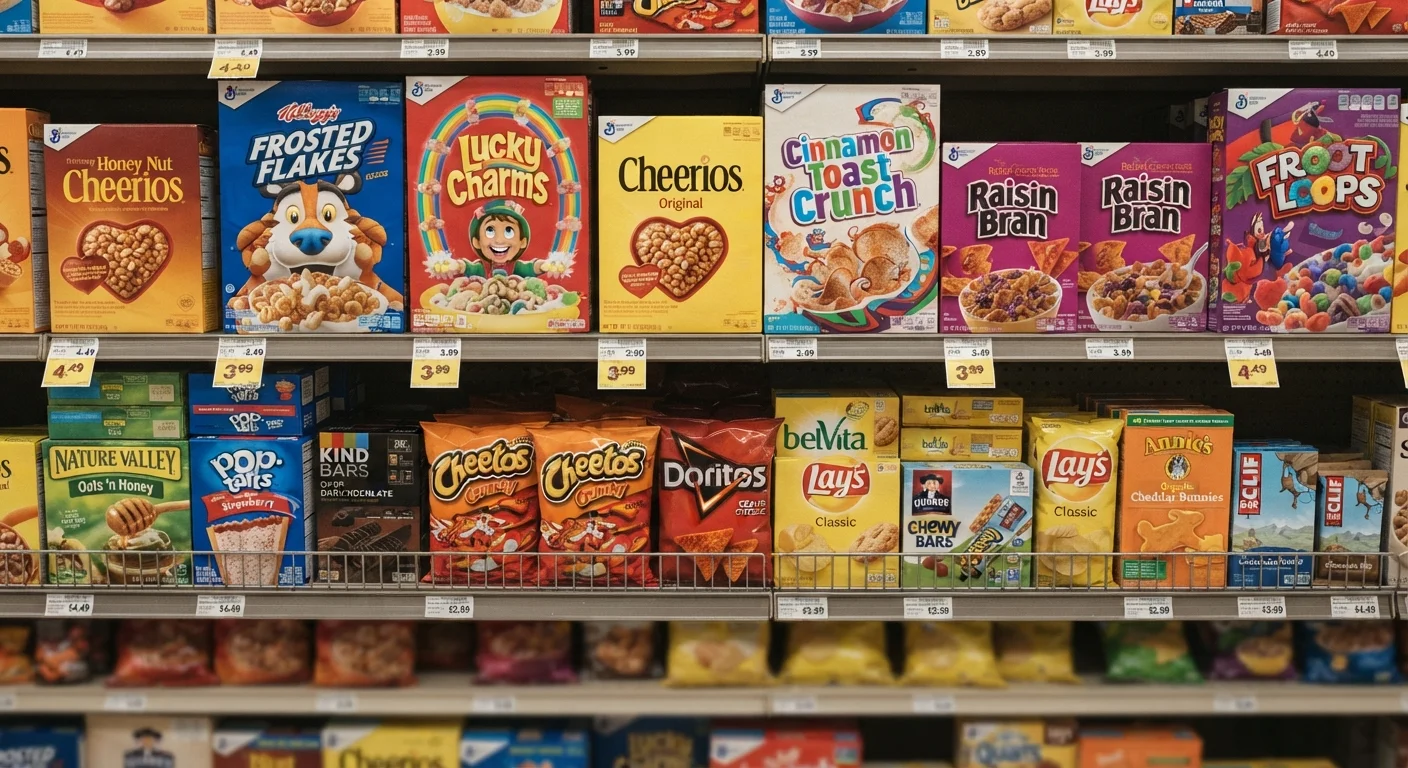
The number on the shelf tag is only the starting point. Retailers present prices in ways that make comparison difficult - varying package sizes, bundled quantities, and promotional framing all obscure the actual cost of what you're getting.
Unit price (the cost per ounce, per count, or per square foot) is the most reliable comparison tool available to any shopper. Most grocery and big-box stores are required to display unit prices on shelf labels, though they're often printed small. Checking unit price before grabbing the larger or sale-priced package frequently reveals that the perceived deal isn't one.
Be aware that manufacturers sometimes reduce package size while keeping the price steady - a practice known as shrinkflation. Recognizing shrinkflation and skimpflation is a practical skill that protects your per-unit value even when prices appear unchanged.
"Sale" Price Doesn't Always Mean Savings
Promotional pricing is sometimes applied to items whose regular price was temporarily inflated beforehand. Checking the unit price history - or simply knowing the typical price range for a category - is more reliable than trusting a percentage-off label. Don't let sale framing substitute for your own price comparison.
Timing Purchases to Your Advantage
Most retail categories follow predictable markdown cycles. Seasonal clearance, post-holiday sales, and inventory-driven discounts are structural features of retail, not random events. Shoppers who understand these patterns can wait for a natural price low rather than reacting to manufactured urgency.
- Apparel: End-of-season clearance (late January, late July) typically produces the steepest markdowns on current inventory.
- Electronics: New model releases prompt price reductions on prior generations, often more predictably than holiday sales.
- Appliances: Holiday weekends and fiscal quarter-ends are historically associated with promotional pricing in this category.
- Groceries: Sales cycles at most grocery chains repeat roughly every 6-8 weeks per category, making it worthwhile to stock up on non-perishables at cycle lows.
Keep a running "wait list" - items you want but haven't bought yet. Revisit it in 30 days; you'll find a significant share no longer feel necessary.
Time distance from the initial impulse is one of the most reliable filters for distinguishing genuine need from momentary want, reducing regret purchases without requiring discipline in the moment.
Track the sale cycle for your most-purchased grocery staples. Once you've observed two or three cycles, you can stock up at lows and effectively stop paying full price for those items.
Grocery pricing at most major chains follows a documented rotation; shoppers who map their own staples can consistently buy at category price floors rather than at whatever price is current.
The discipline here is patience combined with a short list. Knowing what you need before a sale cycle arrives prevents impulse additions that erode the savings you waited for.
Evaluating True Value Before You Buy
Cost-per-use is a straightforward framework: divide what you pay by how many times you'll realistically use the item. A $90 pan used five days a week for three years costs roughly $0.12 per use. A $25 pan that warps in six months and gets replaced costs considerably more per use, despite the lower sticker price.
This doesn't mean higher-priced items are always the better value - it means the calculation should happen before purchase, not after. Key questions to ask:
- How often will I actually use this?
- What is a realistic lifespan for this item given how I'll use it?
- What are the likely maintenance, replacement, or accessory costs over that lifespan?
For a deeper framework on how shopping decisions connect to your broader financial picture, a foundational look at savings and credit health puts individual purchase decisions in useful context.
Try the Cost-Per-Use Test Before You Buy
Before any purchase above your personal threshold, spend 60 seconds estimating realistic uses over the item's lifespan. If the per-use cost feels high or the usage estimate feels optimistic, that's useful signal. This single habit catches a large share of low-value purchases before they happen.
Building Habits That Stick
Sustainable budget-conscious shopping is less about willpower and more about reducing the conditions that produce impulsive, low-value purchases. A few structural habits do most of the work:
- Shop with a list and a number. Know what you need and have a rough spending ceiling before you enter a store or open an app.
- Add friction to impulse buys. A 24- or 48-hour wait rule for unplanned purchases above a threshold you set eliminates a large portion of regret spending without any deprivation.
- Review purchases monthly. A brief monthly review of what you bought and whether you're still satisfied with those decisions builds pattern recognition faster than any other method.
If you're just beginning to formalize your approach, a step-by-step first-month budget walkthrough offers a plain-language starting point. For shoppers who want to go further, foundational consumer knowledge covers the core skills behind confident purchasing decisions.
The goal isn't to spend as little as possible. It's to spend in ways that consistently return value - so every dollar you do spend works harder.
“Budgeting isn't about restricting yourself - it's about making deliberate choices so your spending reflects what actually matters to you.”
— Consumer Financial Protection Bureau, U.S. federal agency focused on consumer financial education