
Why the First Year Is Different
A new pet's first year is unlike any other. Immune systems are maturing, behavioral patterns are forming, and your choices during this window - which vaccines to give, when to spay or neuter, how early to introduce tooth brushing - will shape your pet's health trajectory for years to come. Missing key milestones isn't just an inconvenience; it can leave gaps in disease protection or allow preventable conditions to establish a foothold.
This checklist is designed for owners of puppies, kittens, and newly adopted adult pets. Whether you have a dog or a cat, the core framework is the same: build the foundation right, and the years that follow become much easier to manage. Always work with a licensed veterinarian to adapt these milestones to your individual pet's needs.
Within the First Two Weeks
Core Vaccinations
Spay / Neuter Planning
Dental Health Introduction
Socialization and Behavioral Wellness
End-of-Year Review
Tools and Resources to Have Ready
Completing this checklist is easier when you're organized before the appointments begin. Here's what to have in place from day one.
Pet health record folder
Store vaccine certificates, fecal test results, surgical records, and vet visit summaries in one organized place.
Calendar or reminder app
Track upcoming booster due dates, parasite prevention schedules, and follow-up appointments.
Weight tracking scale (small pet scale)
Monitor healthy weight gain in puppies and kittens between vet visits, especially during growth phases.
Pet-safe enzymatic toothpaste and soft brush
Begin dental habituation early as part of a daily or every-other-day oral care routine.
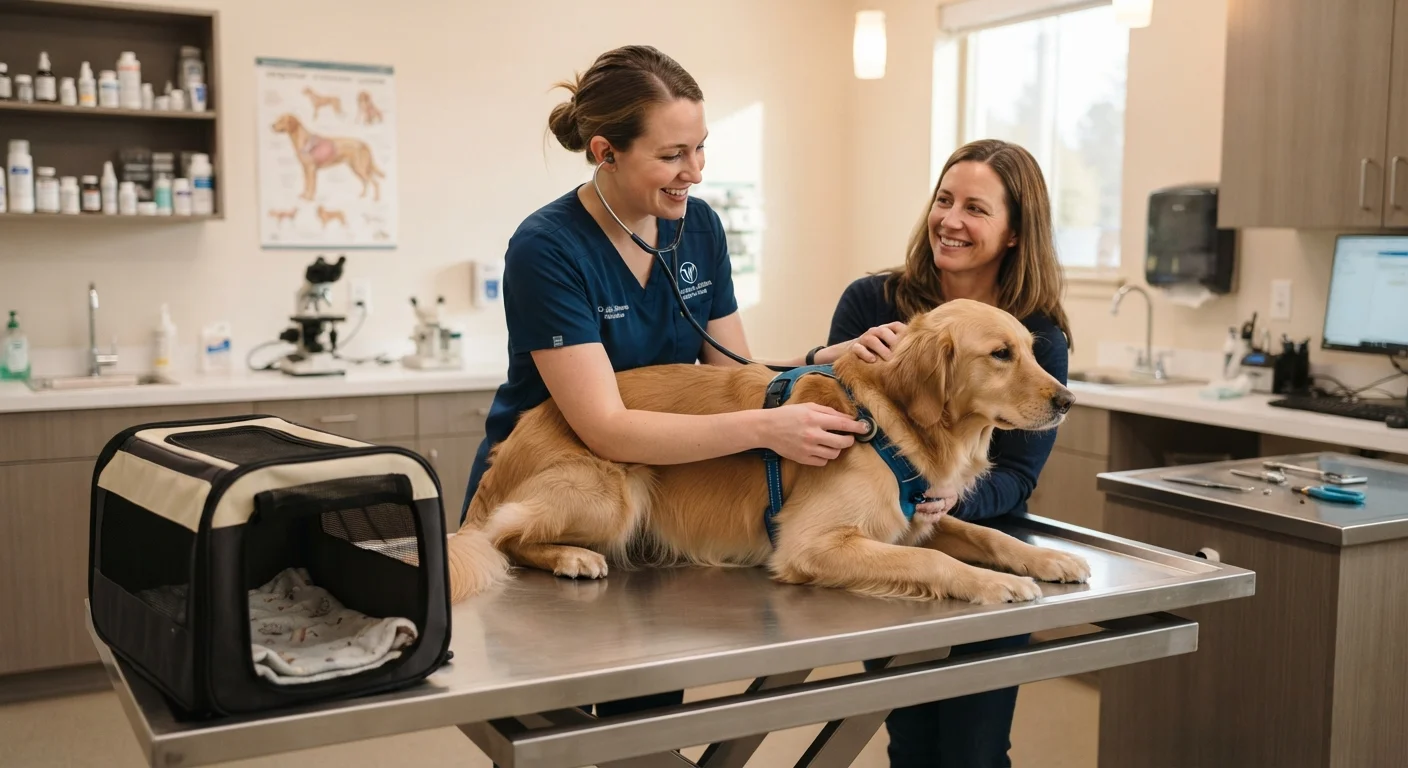
Carrier or crate
Required for safe transport to vet appointments and useful for crate training and anxiety reduction.
Common Pitfalls New Pet Owners Should Know
Even well-intentioned owners miss things during the first year - not from neglect, but from information overload. A few patterns come up repeatedly.
Don't Skip the 'Between' Vet Visits
Puppy and kitten vaccine series require multiple boosters spaced weeks apart - missing a single visit can leave your pet unprotected or force the series to restart. Put all follow-up dates in your calendar the moment you leave the clinic. If your schedule changes, call ahead rather than simply letting the appointment pass.
Parasite Prevention Is Year-Round in Most Regions
Many owners stop flea, tick, or heartworm prevention during winter months, assuming cold weather eliminates the risk. In much of the United States this is not true, and the consequence of a gap can be a preventable infection. Ask your vet whether year-round prevention is appropriate for your location and your pet's lifestyle.
The relationship between preventive and reactive care is worth understanding clearly. Routine wellness visits and emergency treatment serve different purposes, and knowing how they complement each other helps you plan without overspending or underprotecting. See our guide to preventive vs. reactive care for a fuller explanation.
It's also worth knowing which popular pet health beliefs don't hold up under scrutiny. Our article on persistent pet wellness myths addresses several misconceptions that circulate widely - including some that affect first-year decisions directly.
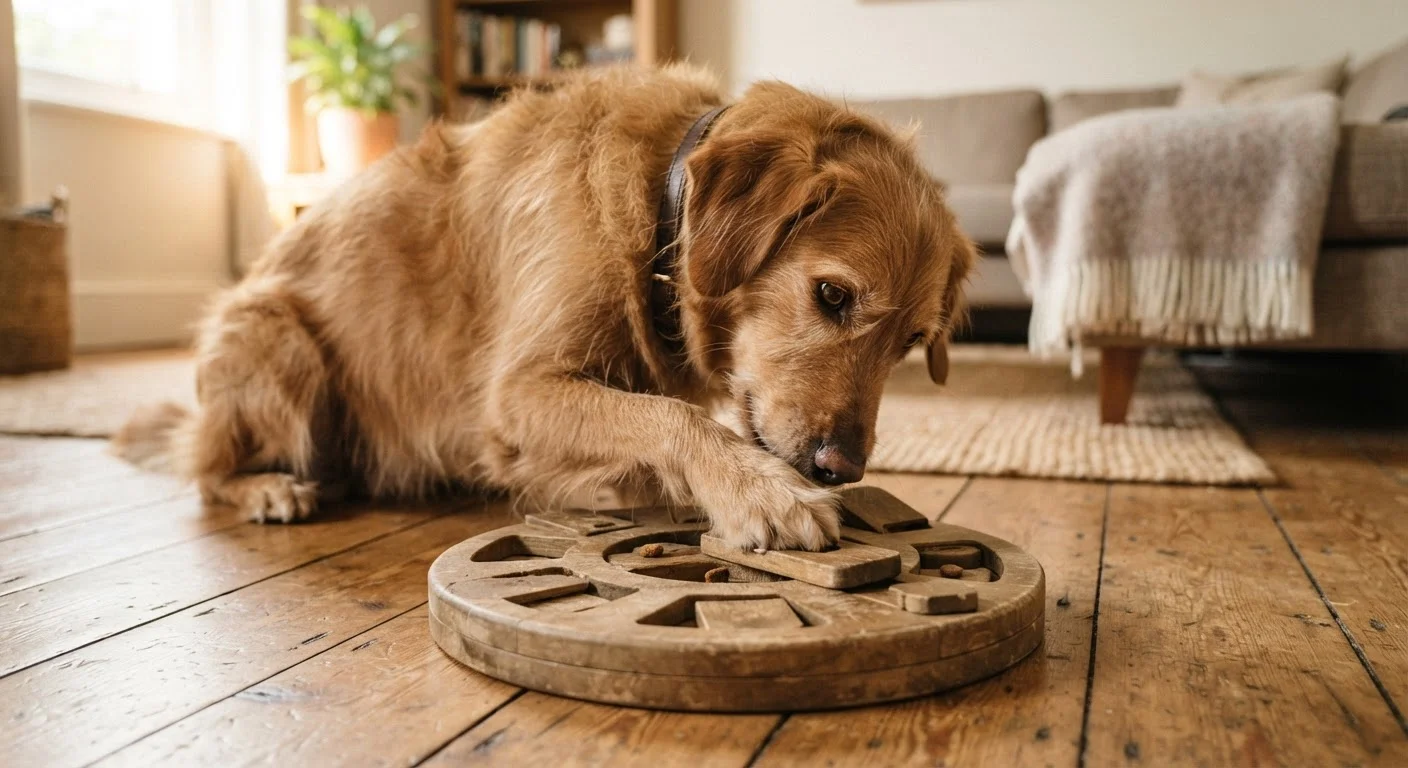
And don't overlook behavioral health. Mental stimulation is a genuine health need, not a luxury - boredom and under-stimulation can manifest as physical and behavioral problems that end up in the exam room.
When to Call the Vet Immediately
During the first year, new pets can deteriorate quickly from conditions that seem minor at first - lethargy, vomiting, diarrhea lasting more than 24 hours, failure to eat, or any breathing difficulty all warrant same-day veterinary contact. Do not wait for a scheduled appointment if your pet seems acutely unwell. When in doubt, call your vet's office or an emergency clinic - they can help you assess urgency over the phone.