
Why Pre-Trip Checks Are Worth the Time
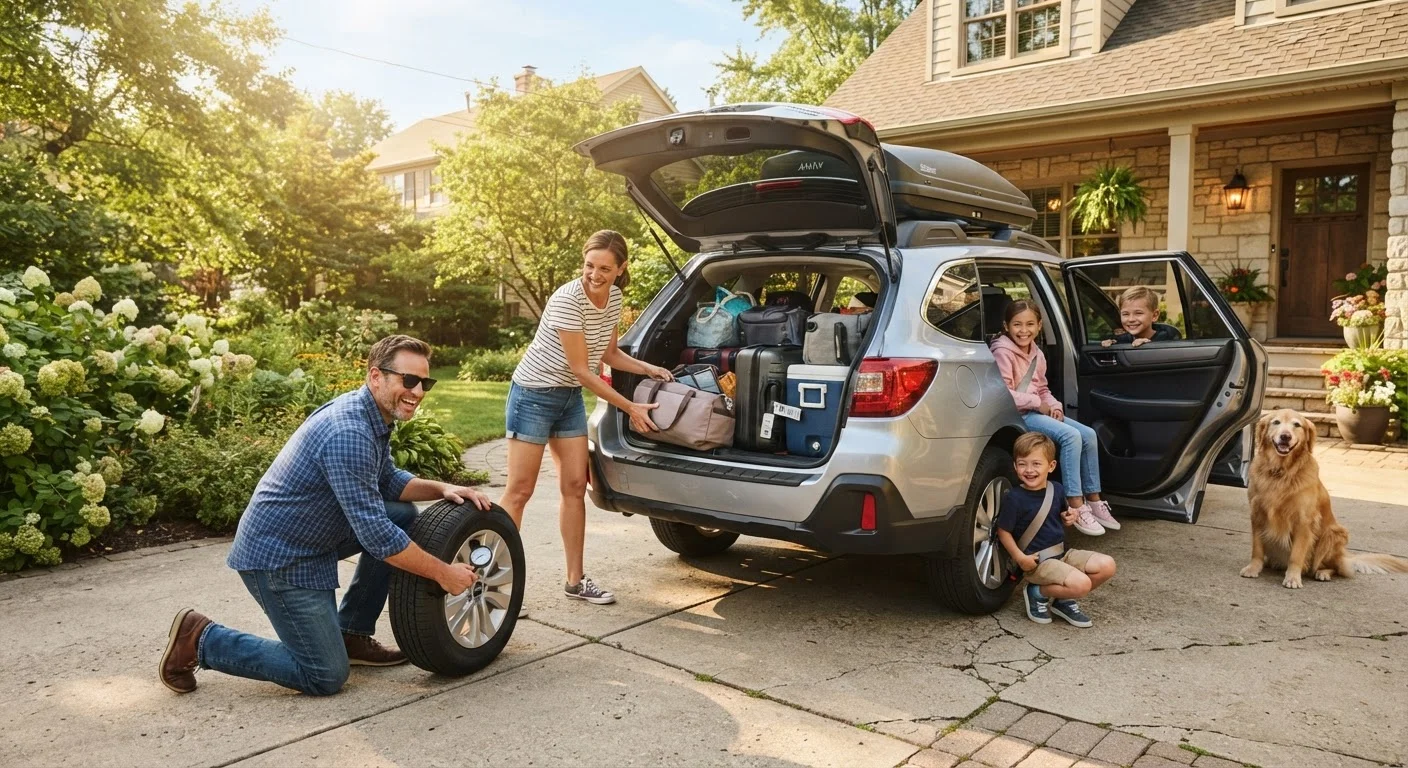
Most roadside breakdowns are preventable. The Federal Highway Administration has long documented that tire failure, engine overheating, and brake problems are among the leading mechanical causes of highway incidents - and most stem from conditions that were developing before the driver left home. A systematic walkthrough of your vehicle before a long drive doesn't require a mechanic's training; it requires about 30 minutes and the right sequence.
This checklist is designed for everyday drivers heading out on US highways - whether it's a weekend getaway, a cross-country move, or a holiday visit. For families loading up for the long haul, pairing this with road trip safety practices for families gives you a comprehensive picture of both vehicle readiness and on-road habits.
Tire pressure gauge
Measures PSI accurately in all four tires and the spare before departure.
Portable jump starter
Allows you to restart a dead battery without needing another vehicle's assistance.
Penny (tread depth test)
A simple, no-cost tool to check whether tire tread is still within a safe threshold.
Flashlight or headlamp
Essential for emergency inspections or breakdowns in low-light conditions.
Reflective triangles or road flares
Makes a broken-down vehicle visible to other drivers, reducing the risk of secondary collisions.
Portable power bank
Keeps your phone charged so you can navigate, call for help, or contact emergency services.
The Safety Walkthrough: All Checks in Order
Work through the groups below in sequence - tires and fluids first, since those have the longest lead time if a problem is found. Lights and brakes can be tested quickly. Emergency kit assembly takes longer if you're starting from scratch, so factor that in. Driver readiness items are easy to overlook precisely because they feel administrative rather than mechanical - don't skip them.
Tires
Fluids
Lights & Visibility
Brakes & Steering
Emergency Kit
Driver Readiness
Don't Skip the Brake Check
Spongy brake pedal feel, grinding sounds, or noticeable pulling when stopping are warning signs that should not be driven through. These symptoms can indicate worn pads, air in the brake lines, or a fluid leak - all of which compromise stopping ability at highway speeds. Have the brakes inspected by a qualified mechanic before the trip if any of these signs appear.
Weather Conditions Change the Risk Profile
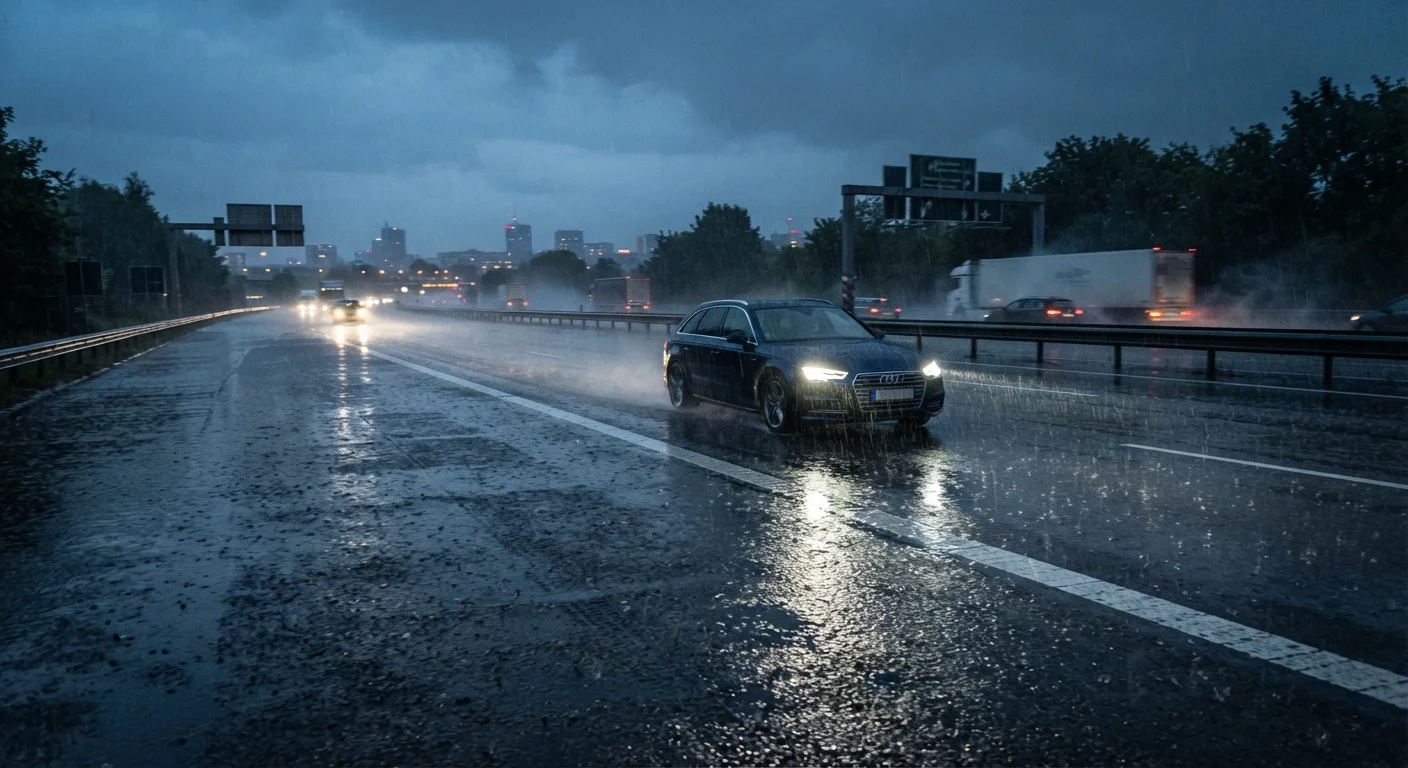
If your route includes areas prone to rain, mountain passes, or summer heat, adjust your preparation accordingly. High temperatures can accelerate tire pressure changes and strain cooling systems, while wet or icy roads demand fully functional wipers and tires with adequate tread. See our guide to driving in bad weather for condition-specific techniques.
Before You Pull Out of the Driveway
Once the physical inspection is done, take a moment on the logistical side. Confirm your route, identify potential fuel stops in remote stretches, and let someone know your expected arrival time. Fatigue planning deserves the same seriousness as tire pressure: plan two-hour driving blocks and schedule real rest stops - not just fuel fill-ups.
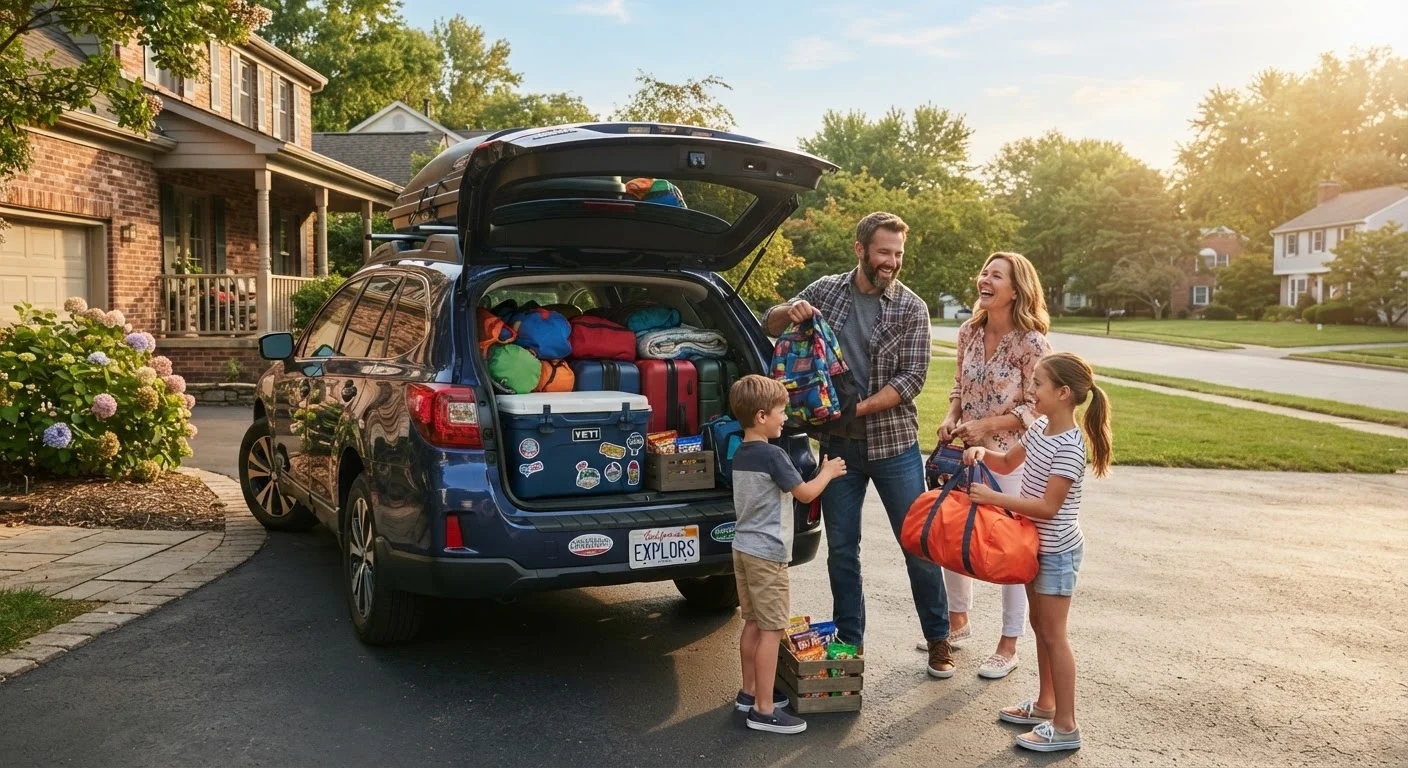
If you're traveling with children, the family road trip packing list covers what to bring for comfort and safety once the vehicle is cleared. And if your trip involves mountain grades, desert heat, or coastal fog, our bad weather driving guide covers how to adjust once you're on the road.
Carry Proof of Insurance - Always
Most US states require drivers to carry proof of current auto insurance and present it during traffic stops or after a collision. Driving without it can result in fines, license suspension, or legal complications. Confirm your coverage is active and that the insurance card in your glove box reflects your current policy period. This article provides general information only - consult a licensed insurance agent for advice specific to your situation.
This article is for general informational purposes only and does not constitute mechanical, legal, or insurance advice. For concerns about your specific vehicle's condition, consult a qualified mechanic. For questions about auto insurance coverage, speak with a licensed insurance agent.