

Why a Quick Pause Before Payment Pays Off
The moment before you tap "Place Order" or hand over your card is the most powerful one in any transaction - and the most underused. Retailers and marketplaces are designed to move you through checkout quickly. That speed is convenient, but it can also work against you when key details slip past unnoticed.
This checklist is built around four areas where shoppers consistently get caught off guard: pricing, return terms, product condition, and seller credibility. Whether you're buying in-store, on a major retailer's site, or through a third-party marketplace, these checks apply. For larger purchases, also consider working through the pre-buy checklist for big-ticket items before you commit.
Run through the sections below before you finalize any purchase you'd regret getting wrong.
Screenshots or PDF Saves
Capture the product listing, price, and return policy as they appear at time of purchase for use in any future dispute.
Credit Card with Purchase Protection
Provides a dispute mechanism if an item arrives damaged, misrepresented, or fails to arrive at all.
Independent Review Platform
Check seller and product reputation through sources outside the seller's own site before committing.
Manufacturer's Product Page
Cross-reference listed specifications against official details to catch listing inaccuracies.
The Pre-Payment Checklist
Work through each group in order. Items marked must are non-negotiable - skipping them is where most purchase problems begin. Should items add meaningful protection and take little extra time. Nice to have items are worth doing when stakes are higher or time allows.
Price Verification
Return and Refund Terms
Product Condition and Accuracy
Seller Credibility
Payment Method Safety
Marketplace Sellers Are Not Always the Brand
On major e-commerce platforms, many listings are fulfilled by third-party sellers rather than the original manufacturer. This matters for authenticity, warranty coverage, and return handling. Always confirm whether you're buying directly from the brand or from a reseller - particularly for electronics, health products, or anything with a warranty you're counting on.
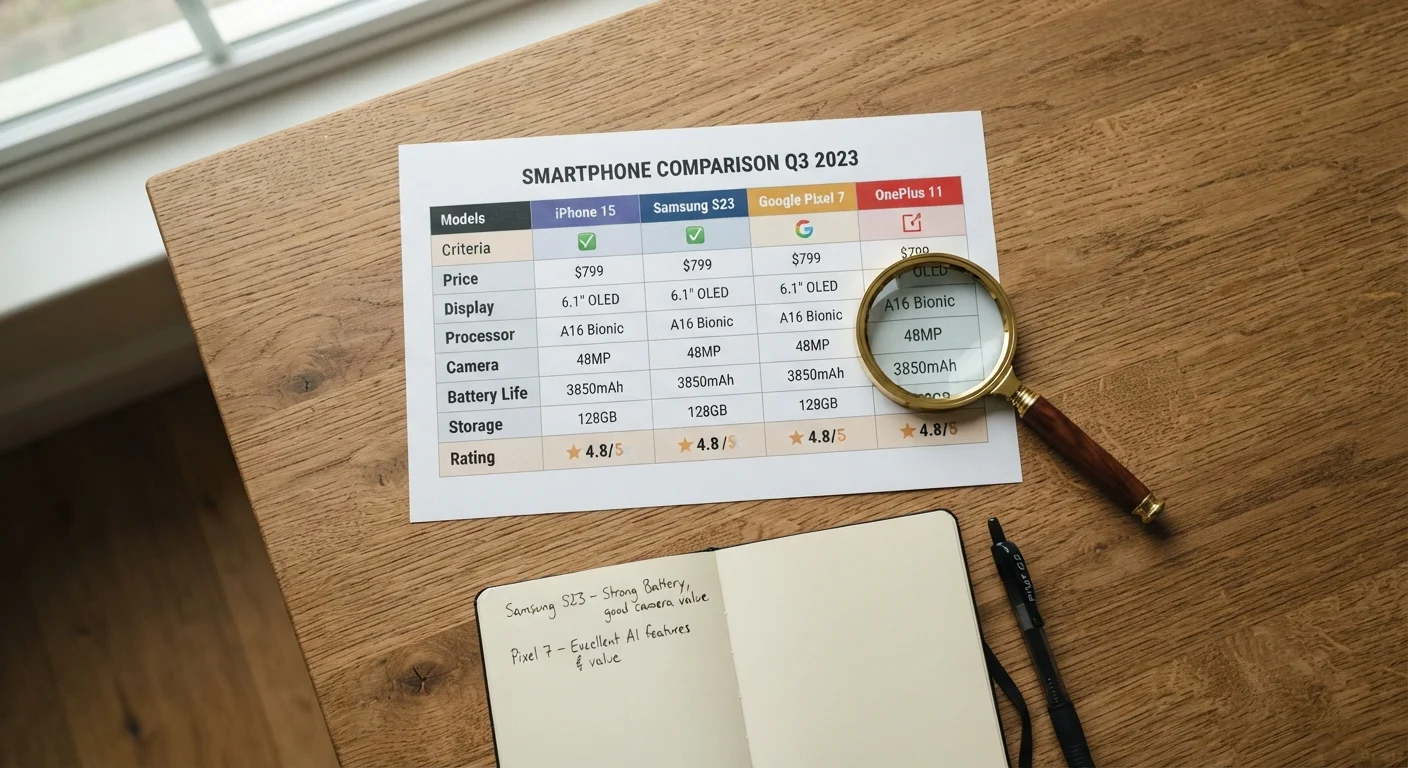
Comparison tables and spec sheets can also hide important gaps. If you're evaluating similar products side by side, the guide to reading product comparisons without getting fooled covers what to look for between the lines.
After You've Checked Everything
If anything in the checklist above gave you pause - an unclear return window, a seller with no contact information, a price that jumped at checkout - treat that as a signal to slow down, not override. Most purchases can wait a day. Most regrets cannot be undone as easily.
Keep a screenshot or PDF of the order confirmation, the return policy as it appeared at checkout, and any seller communications. These records matter if a dispute arises. For more on organizing financial obligations tied to recurring purchases or subscriptions, see the guide to setting up a bill-payment system.
No Recourse Once Certain Payments Clear
Some payment methods - including wire transfers, peer-to-peer apps, and prepaid gift cards - offer no consumer dispute process once funds are sent. If a seller insists on these methods exclusively, that is a significant red flag. Stick to payment options that allow you to contest a charge if the transaction goes wrong. This is general guidance; consult your card provider or financial institution for specifics on your account's protections.
Shopping confidently isn't about spending more time on every purchase - it's about spending the right ten minutes on the checks that actually matter.