
The Five Factors Behind the Number
Your credit score isn't a mystery - it's a formula. While exact calculations are proprietary, the FICO model publicly discloses five weighted categories that drive your score.
- Payment history (35%): Whether you pay on time is the most heavily weighted factor. Even one missed payment can cause a meaningful drop.
- Credit utilization (30%): This is the ratio of your current balances to your total available credit limits. Using less than 30% of your available credit is generally advised; lower is better.
- Length of credit history (15%): Older accounts and a longer average account age signal experience managing credit responsibly.
- Credit mix (10%): Having a variety of account types - such as a credit card, an auto loan, and a mortgage - can strengthen your score.
- New credit (10%): Applying for multiple new accounts in a short period can suggest financial stress and may temporarily lower your score.
35%
Weight of payment history in FICO Score
According to FICO's publicly disclosed scoring model, on-time payments are the single largest factor in your credit score calculation.
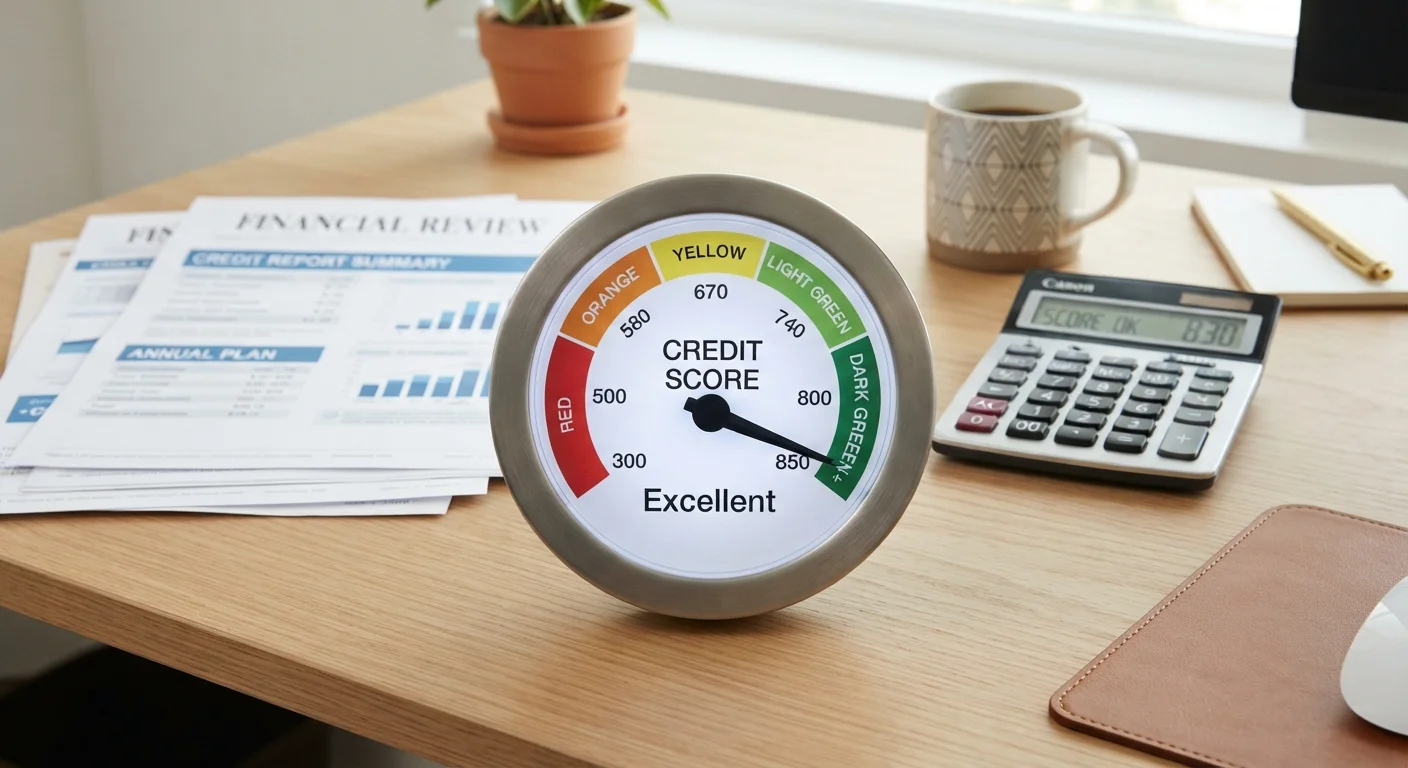
300-850
Standard FICO Score range
Most lenders use the FICO Score, which spans this range; higher scores indicate lower credit risk to lenders.
~1 in 5
Americans with a credit report error
The Federal Trade Commission has found that a notable share of consumers have at least one error on their credit reports that could affect their scores.
Understanding these weights helps you prioritize. Paying bills on time and keeping balances low will always have more impact than opening a new type of account.
Where Your Score Comes From
Your credit score is calculated using data from your credit report - a detailed record maintained by one of three major credit bureaus: Equifax, Experian, and TransUnion. Lenders, landlords, and other creditors report your account activity to these bureaus, and scoring models use that data to produce a number.
Because each bureau maintains its own file, you may have slightly different scores from each. It's worth checking all three reports for accuracy - federal law entitles you to a free report from each bureau annually through AnnualCreditReport.com.
Your Three Reports May Differ
Not all lenders report to all three bureaus, which is why your credit profile can vary slightly from one bureau to another. When a lender pulls your credit, they may check one bureau or all three. Reviewing each of your reports helps ensure the information used to calculate your score is complete and accurate.
Errors on your credit report - an account that isn't yours, a payment incorrectly marked late - can drag down your score unfairly. Disputing inaccuracies with the relevant bureau is a legitimate step you have the right to take.
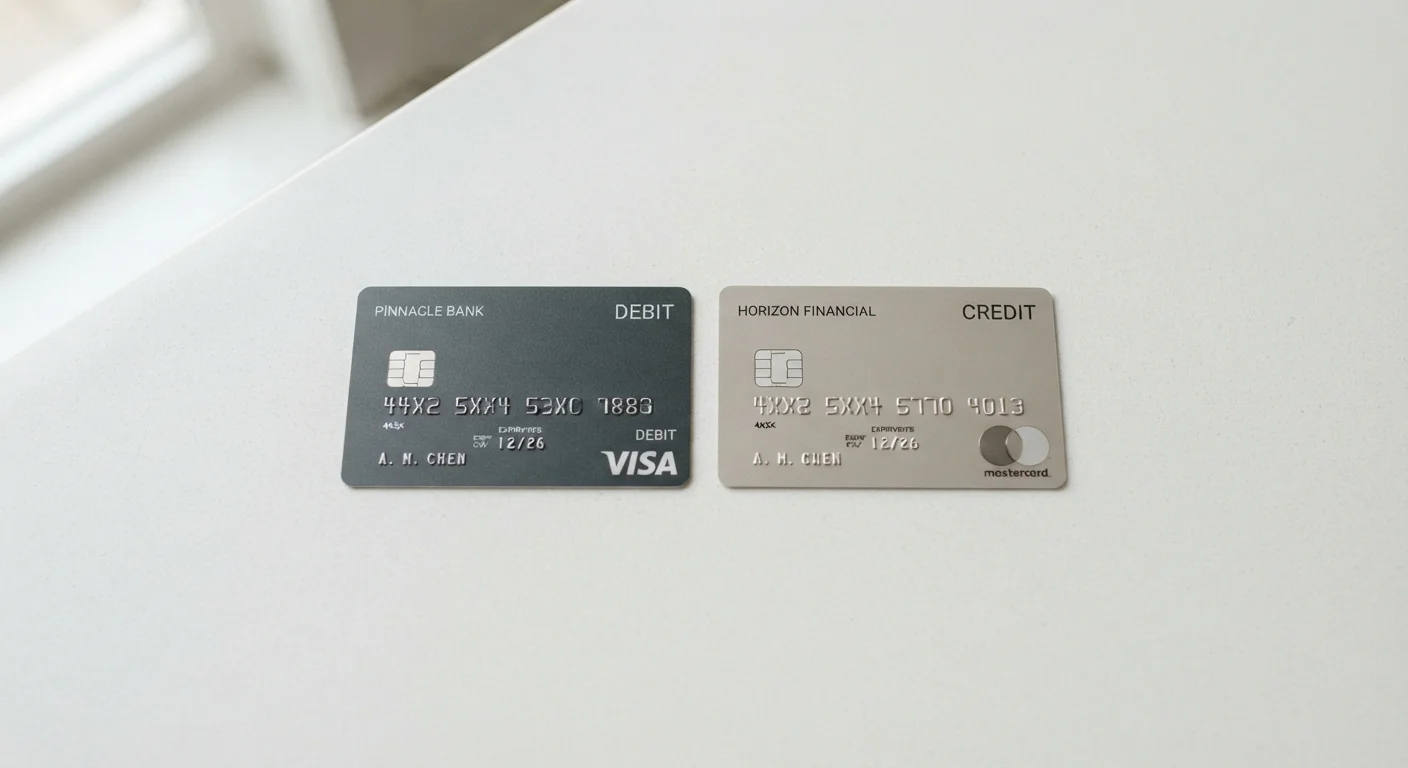
The type of credit card you use at checkout can also affect your credit profile over time. See how debit and credit cards differ at checkout beyond just your score.
Why Your Score Matters Beyond Borrowing
Most people associate credit scores with loan approvals, and that's accurate - your score directly influences whether you qualify for a mortgage, auto loan, or credit card, and at what interest rate. A higher score can translate into meaningfully lower interest costs over the life of a loan.
But the impact extends further. Landlords commonly check credit scores before approving a rental application. Some employers in certain industries review credit reports as part of background screenings. Utility companies and mobile carriers may use scores to decide whether to require a security deposit.
Misconceptions about credit are common and often costly. Once you understand how scores are built, it's easier to separate fact from fiction - the next step is understanding credit score myths that cost people money so that mistaken beliefs don't undermine your progress.
This article is for general informational purposes only and does not constitute personalized financial advice. For guidance specific to your situation, consider consulting a licensed financial professional.