
The First Stage: Late Fees and Grace Periods
Most bills come with a grace period - a short window after the official due date during which you can still pay without penalty. Grace periods vary widely: credit cards may offer none at all, while mortgage agreements sometimes allow 15 days. Checking your account agreement tells you exactly what applies to each bill you carry.
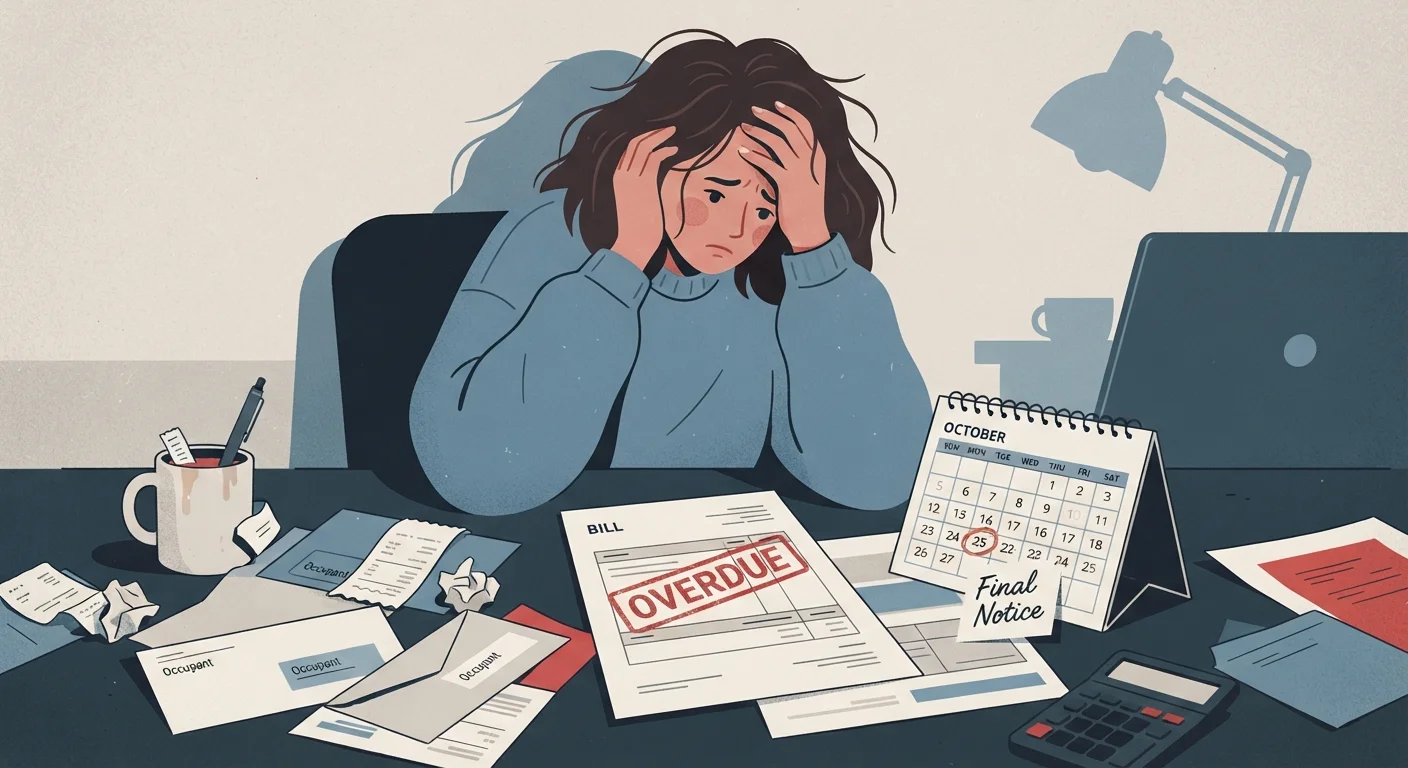
Once the grace period ends, a late fee is usually the first consequence. Credit card late fees are federally capped, while fees on other accounts - utilities, medical bills, personal loans - are set by the lender or provider. Even a single missed payment can result in interest accruing on an unpaid balance at a higher penalty rate on some credit cards.
To avoid this entirely, consider a structured approach to your recurring obligations. Our bill-payment system guide walks through automating payments and organizing due dates so nothing slips through.
Check Your Grace Period Before Assuming You're Late
Before panicking over a missed due date, pull up your account agreement or log into your account portal to check whether a grace period applies. Some accounts give you several extra days to pay without penalty. Knowing this in advance can help you prioritize which bills need same-day attention and which have a small buffer.
The Credit Score Impact: When Lenders Start Reporting
If a payment reaches 30 days past due, most creditors will report it to one or more of the three major credit bureaus - Equifax, Experian, and TransUnion. That late-payment notation can remain on your credit report for up to seven years, even if you eventually pay the debt in full.
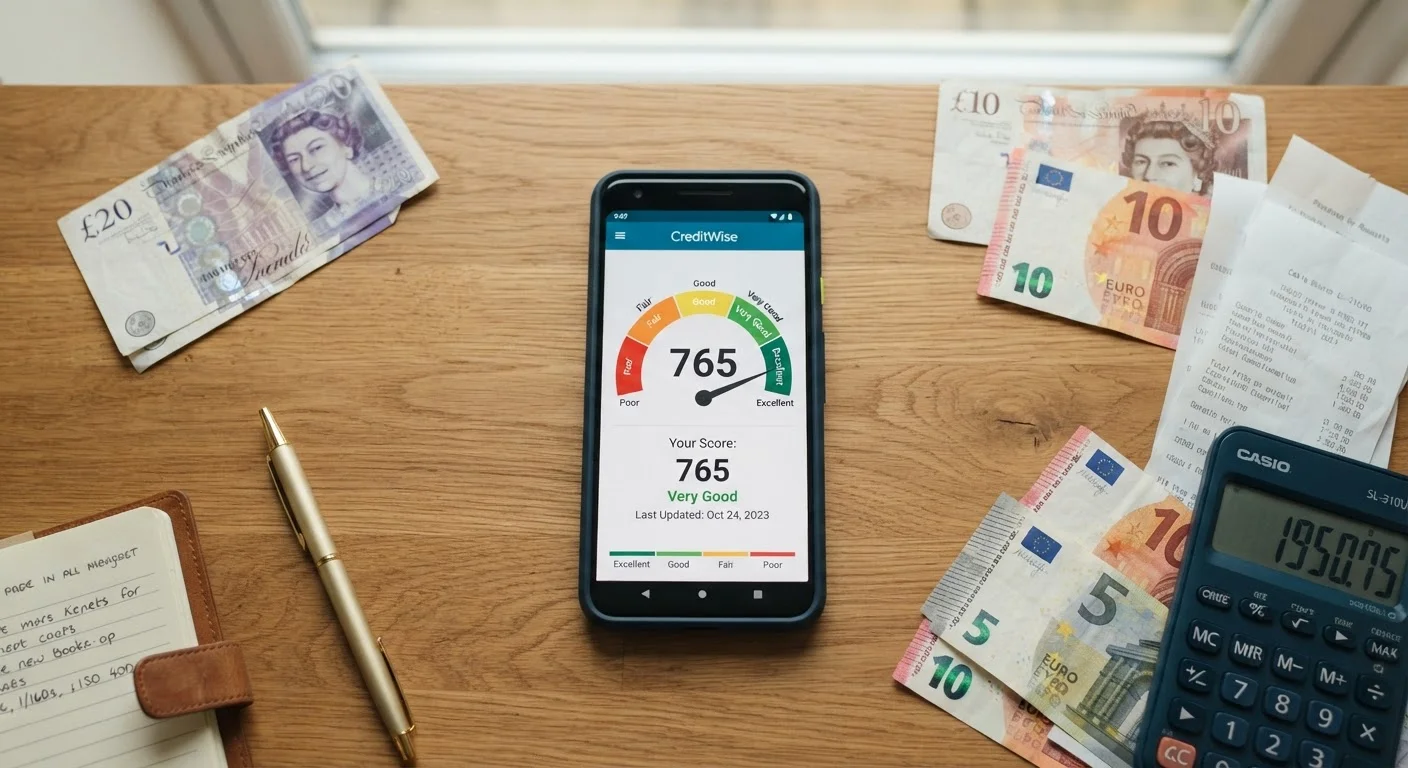
Payment history is the single largest factor in standard credit scoring models, typically accounting for around 35% of a FICO score. That means a 30-day late mark can cause a measurable drop - sometimes significant - depending on your existing credit profile. The higher your score before the missed payment, the steeper the potential drop.
35%
Payment history share of a FICO credit score
According to FICO's published scoring model breakdown, payment history is the single largest factor influencing a standard FICO score.
7 years
How long a late payment stays on your credit report
Under the Fair Credit Reporting Act (FCRA), most negative credit information, including late payments, can remain on a consumer's credit report for up to seven years.
30 days
Minimum delay before most lenders report to bureaus
Most major creditors do not report a payment as late to the three major credit bureaus until it is at least 30 days past the due date.
It is worth noting that the exact impact varies. Factors like how many accounts you have, how long your credit history is, and whether this is an isolated incident all play a role. For a deeper look at what drives score changes, see why your credit score dropped. Also, common misconceptions about how credit works can make the situation worse - credit score myths worth dispelling are covered in a related article.
Escalation: Collections, Charge-Offs, and Service Interruption
When a debt remains unpaid for an extended period - commonly 90 to 180 days, though timelines differ by creditor - the account may be charged off. A charge-off means the creditor has written the debt off its books as a loss. This does not erase what you owe; it simply changes who may collect it. The debt is often sold to a third-party collections agency.
A collections account appears as a separate negative entry on your credit report and can significantly worsen your credit standing. Meanwhile, service-based providers - utilities, phone carriers, internet providers - may simply cut off service for non-payment, requiring payment of past-due balances plus a reconnection fee before restoring access.
Understanding terms like charge-off, charge-off balance, and collections before you encounter them can help you respond more calmly if they arise. Our borrower terms glossary defines these and other common debt-related concepts in plain language.
Not All Bills Report to Credit Bureaus the Same Way
Utilities, rent, and subscription services typically do not report on-time payments to credit bureaus - but they may report delinquencies or refer unpaid balances to collections. This means a missed utility payment could eventually hurt your credit even if months of on-time utility payments never helped it. Some newer credit-building programs allow voluntary reporting of rent or utility payments; check with your provider or a credit counselor to learn what may be available.
What to Do If You've Already Missed a Payment
If you realize you've missed a payment, act as quickly as possible. Pay the overdue amount right away if you can - getting current stops the escalation clock. Then call the creditor directly and ask whether the late fee can be waived, particularly if this is your first missed payment on the account. Many creditors will accommodate a one-time courtesy waiver.
If you cannot pay the full amount, be honest with the creditor about your situation. Hardship programs, temporary reduced payment plans, or deferred payment arrangements are available from many lenders and service providers - but you generally have to ask. A proactive call before the account hits 30 days past due gives you the most leverage.
Going forward, a monthly bill audit can help you catch problems before they become missed payments. Our monthly bill audit checklist provides a step-by-step process for staying current on every recurring obligation.
This article is for general informational purposes only and does not constitute personalised financial, legal, or credit advice. For guidance tailored to your situation, consider consulting a licensed financial adviser or credit counselor.