
Why Preparation Makes All the Difference
International travel is one of life's great adventures - and one of its most logistically demanding experiences. Unlike a domestic road trip (for that, see our family road trip packing list), crossing international borders means navigating a web of entry requirements, health regulations, financial considerations, and safety protocols that vary by country and can change with relatively little notice.
The good news: a methodical pre-trip checklist eliminates most of the surprises. This guide walks American travelers through every major category of preparation - from your passport's validity to how your phone will work overseas. Work through it at least four to six weeks before departure so you have time to act on anything that needs attention.
Don't Assume Your Health Insurance Travels With You
Most U.S. health insurance plans - including Medicare - provide little or no coverage outside the country. Emergency medical care and evacuation abroad can cost tens of thousands of dollars out of pocket. Always verify what your existing policies cover internationally, and fill any gaps with a dedicated travel insurance plan before departure.
Visa Rules Change - Always Use Official Sources
Third-party travel blogs and aggregator sites may carry outdated or inaccurate visa information. Always confirm entry requirements directly with the destination country's embassy or official immigration website, and cross-reference with the U.S. State Department's country pages. Arriving without the correct documentation can result in denied boarding or entry.
The Complete Pre-Departure Checklist
The checklist below is organized into five preparation categories. Some items are absolute requirements - skip them and your trip may not happen. Others are strongly recommended based on common traveler pitfalls. A few are optional enhancements that can meaningfully improve your experience.
Documents & Entry Requirements
Health & Safety Prep
Travel Insurance
Money & Banking
Logistics & Communication
For a deeper dive into evaluating your insurance before you buy, our travel insurance policy checklist walks through coverage limits, exclusions, and claims procedures in plain language. And for a broader overview of what travel insurance can and cannot do for U.S. travelers, the Travel Insurance hub is a helpful starting point.
Tools You'll Need
Most of what you need to complete this checklist is free and available directly from U.S. government sources. Here's a quick reference for the key resources.
U.S. Department of State - Travel Website
Verify entry requirements, travel advisories, and visa information for your destination.
CDC Travelers' Health Portal
Look up destination-specific vaccination recommendations and health notices.
Smart Traveler Enrollment Program (STEP)
Register your trip with the U.S. embassy so they can reach you in an emergency.
Travel Insurance Policy
Provides coverage for medical emergencies, evacuation, and trip disruptions abroad.
Offline Maps App (e.g., Maps.me or Google Maps offline)
Navigate your destination without relying on cellular data.
Secure Cloud Storage
Store digital copies of your passport, visa, and booking confirmations for remote access.
A Note on Health Preparation
Passport Validity Is Non-Negotiable
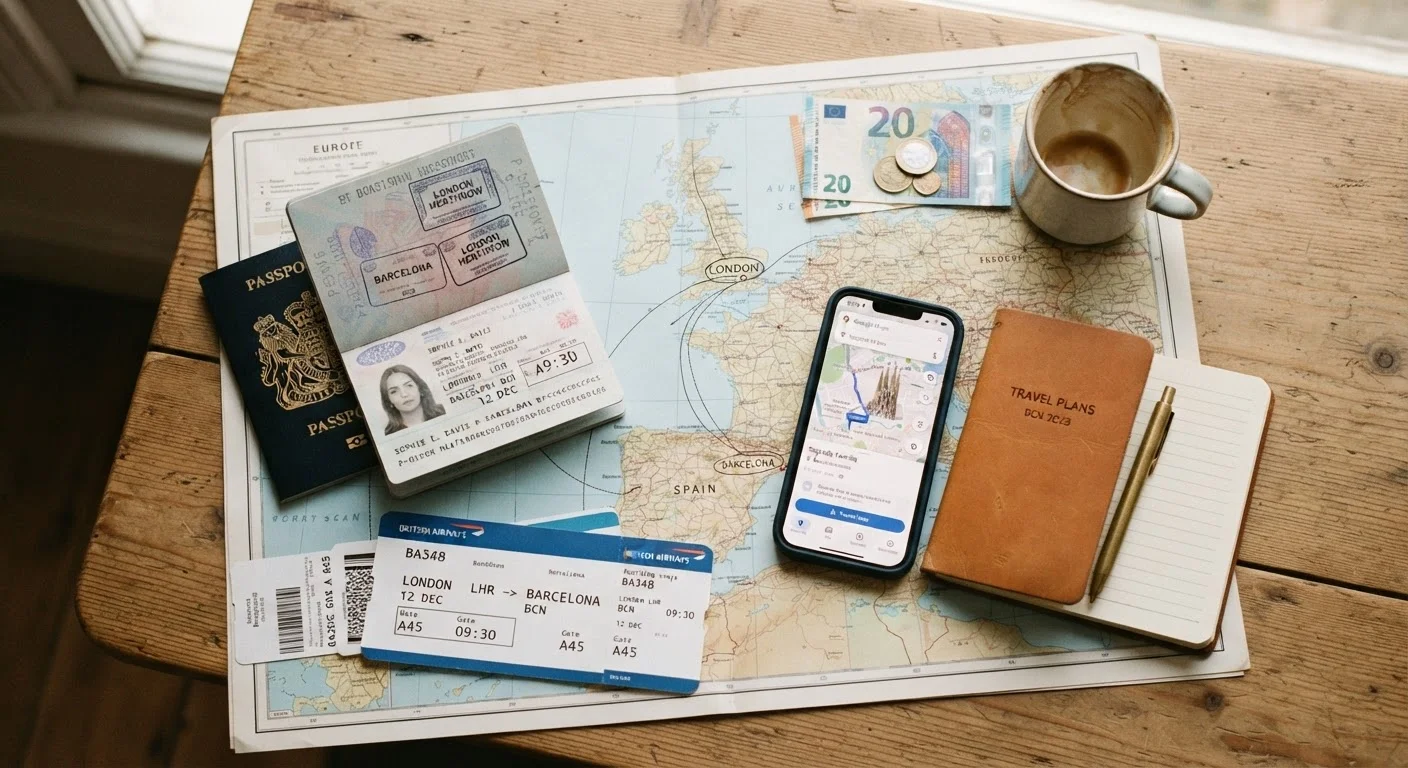
Many countries require your passport to be valid for at least six months beyond your planned departure from their territory - not just your travel dates. Airlines may deny boarding if this requirement is not met, regardless of whether you have a valid visa. Check your passport's expiration date now and allow several weeks for renewal processing if needed.
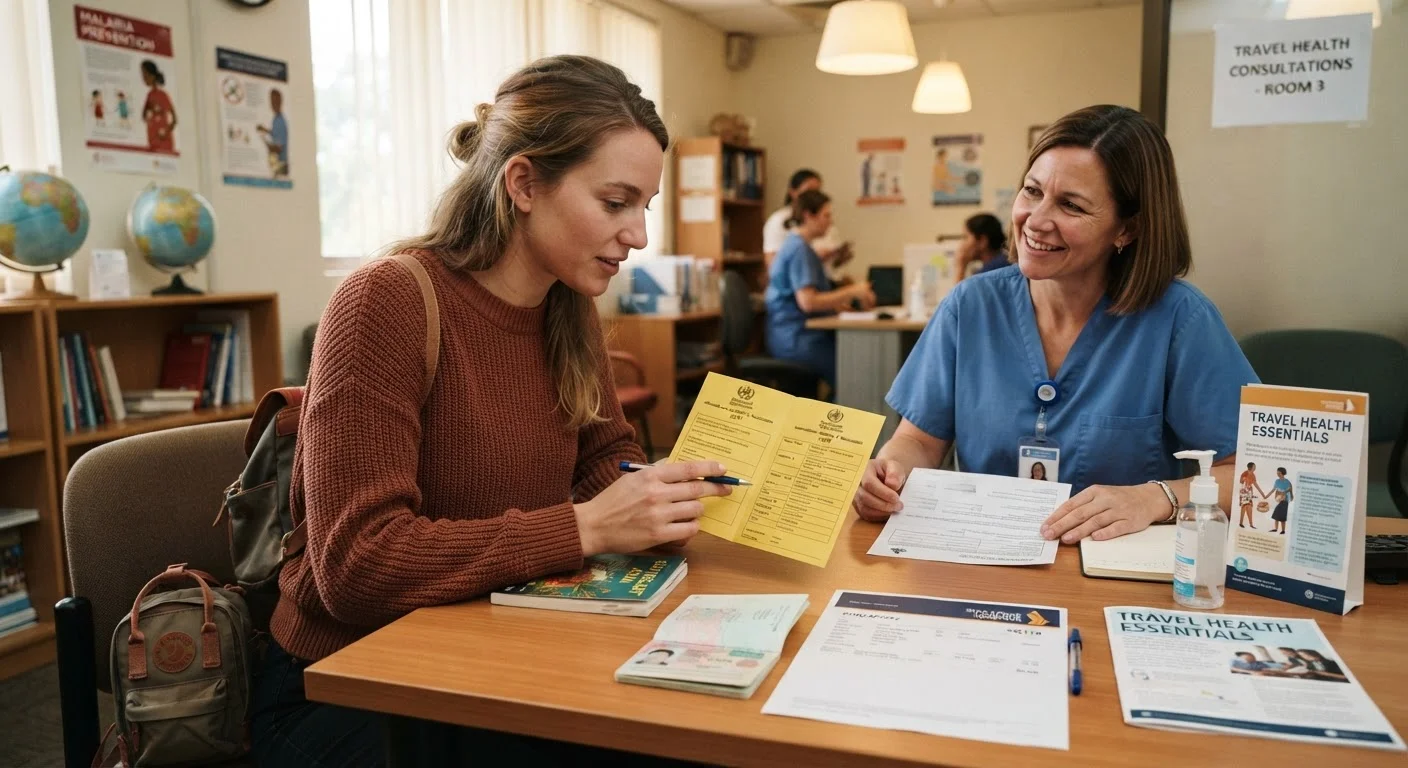
Health prep for international travel deserves its own focused attention. Required vaccinations differ from recommended ones, and some countries enforce health documentation at the border. Our companion article on international travel health requirements covers how to verify entry health rules and work with the right medical sources ahead of your trip.
This article is for general informational purposes only. Entry requirements, health regulations, and travel conditions can change. Always verify visa, health, and safety information directly with official government sources and qualified professionals before traveling. This is not legal, medical, or financial advice.