

What Each Option Actually Covers
When you buy a product, you generally have three paths regarding protection: rely on the manufacturer warranty that comes with the item, purchase an extended service plan (sometimes called an extended warranty), or skip extra coverage entirely and absorb any repair or replacement costs yourself.
Manufacturer warranties are legally required to meet minimum standards under U.S. federal law (the Magnuson-Moss Warranty Act). They typically cover defects in materials or workmanship for a set period - often 90 days to one year for consumer electronics, and one to two years for appliances. What they rarely cover: accidental damage, normal wear, or anything the manufacturer deems misuse.
Extended service plans are sold separately, usually at the point of purchase, and are offered by retailers, third-party administrators, or sometimes the manufacturer itself. They extend the coverage window and may add protections like accidental damage, but the terms vary enormously. Crucially, these are service contracts, not warranties - a legal distinction that affects your rights.
No additional coverage means you pay out of pocket if something breaks after the manufacturer warranty lapses. This is sometimes called self-insuring, and for many product categories, it's a financially sound approach.
| Manufacturer Warranty | Extended Service Plan | No Coverage (Self-Insure) | |
|---|---|---|---|
| Added cost | None | Moderate to high | None upfront |
| Defect coverage | Yes | Usually yes | No |
| Accidental damage | Rarely | Sometimes, check terms | No |
| Coverage duration | Short (90 days-2 years) | Longer (2-5 years typical) | N/A |
| Fine print complexity | Moderate | High - exclusions vary widely | None |
| Best suited for | All purchases (baseline) | Expensive, complex products | Lower-cost, reliable items |
| Financial risk if item fails | Low during warranty window | Low if claim is approved | Full out-of-pocket cost |
The Real Costs and Trade-Offs
Extended service plans can range from a modest fee to 20-30% of the product's purchase price. For a $200 appliance, that premium may exceed the likely cost of a single repair - or even replacement. Consumer research has consistently found that most products don't fail during the extended coverage window, meaning many shoppers pay for protection they never use.
That said, for high-cost items - think major kitchen appliances, HVAC systems, or premium electronics - repair bills can run several hundred dollars or more. In those cases, a well-structured plan with clear terms may genuinely offset financial risk. The challenge is that plan quality varies widely. Look specifically for what's excluded, whether service fees or deductibles apply per claim, and who performs the repairs.
Check Your Credit Card First
Before purchasing any extended service plan, review the benefits on the credit card you used to buy the product. Many cards automatically extend the original manufacturer warranty by up to one year at no cost. This benefit applies to a wide range of products and requires no separate enrollment - just retain your receipt and original warranty documentation.
Manufacturer warranties, by contrast, cost you nothing extra. Their limitation is scope: they're designed to protect against the manufacturer's own defects, not the full range of things that can go wrong with a product over its life. Understanding this distinction helps set realistic expectations. See our guide to reading fine print on return policies for broader advice on scrutinizing purchase protections.
When Self-Insuring Makes Sense
Self-insuring simply means setting aside the money you would have spent on an extended plan and keeping it in reserve for repairs or replacement. For products under $300, this approach often makes mathematical sense - the accumulated premiums across multiple purchases can easily exceed the cost of the occasional repair.
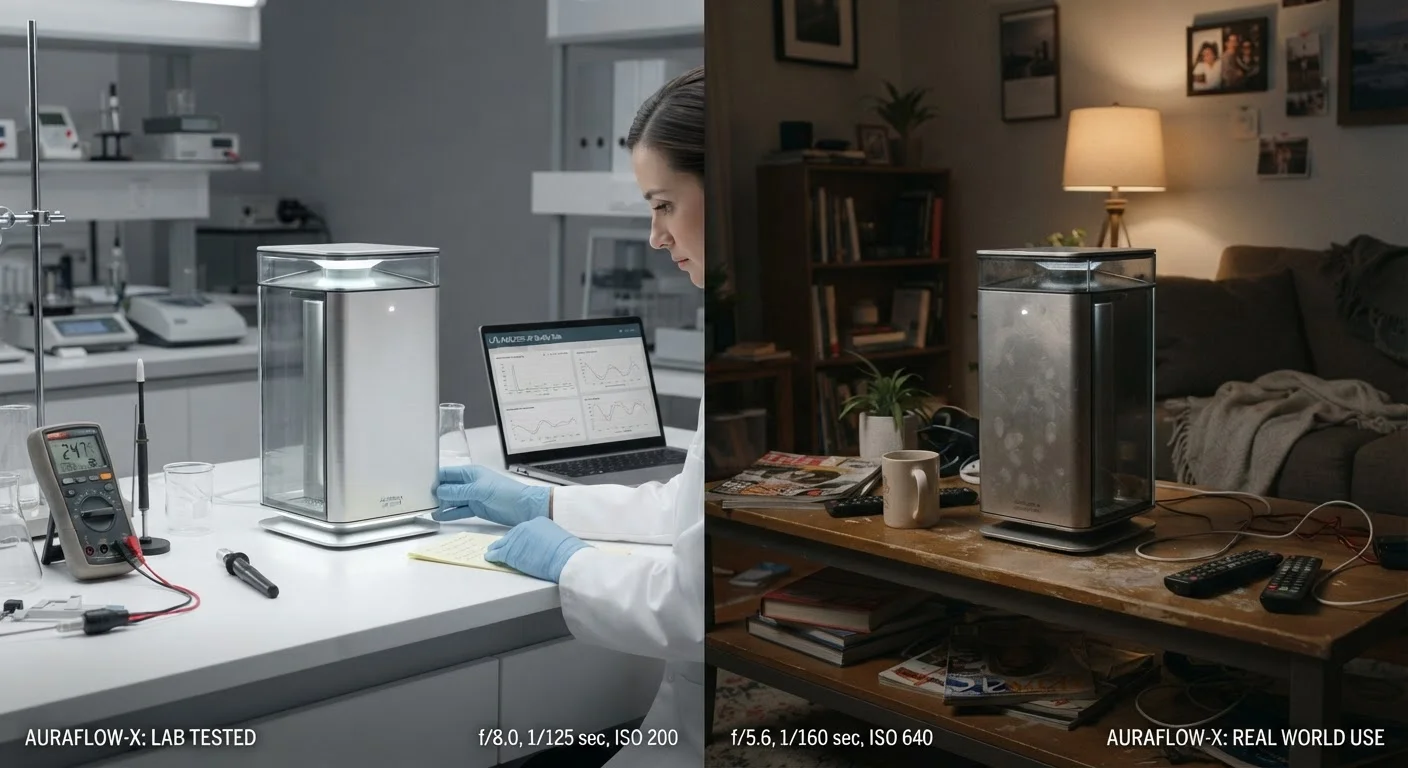
It works best when the item is replaceable at a reasonable cost, when your household budget can absorb an unexpected expense, and when the product category has a solid reliability track record. You can check reliability data through sources like Consumer Reports, which surveys large numbers of actual owners. Keep in mind that real-world performance can differ from what manufacturers advertise, which is worth factoring into your risk assessment.
~20-30%
Typical extended plan cost as share of purchase price
Consumer advocacy organizations frequently note that extended plan premiums can represent a substantial portion of the item's retail cost, often exceeding average repair expenses.
1 year
Common credit card warranty extension benefit
Many major U.S. credit cards automatically extend the manufacturer warranty by up to one year on eligible purchases - a benefit many cardholders overlook.
Self-insuring is less suitable for complex, expensive systems where a single failure could cost more than the product itself - or where going without the item for days or weeks during repair would significantly disrupt your life.
How to Evaluate a Plan Before You Say Yes
If you're considering an extended service plan, a few specific questions will tell you more than the sales pitch ever will:
- What's excluded? Plans often exclude cosmetic damage, consumable parts (like batteries after a set date), and anything deemed accidental - even if the plan is marketed as accident protection.
- Who handles claims? Is it the retailer, a third-party administrator, or the manufacturer? Third-party administrators have variable reputations for responsiveness.
- Are there deductibles or service fees? A $75 service fee on each claim changes the math significantly for lower-cost items.
- Is there a cancellation or refund policy? Many plans allow pro-rated refunds if you sell the item or change your mind.
- Does it overlap with your credit card's purchase protection? Many major credit cards extend manufacturer warranties by up to one year at no additional cost - a benefit worth checking before paying for a separate plan.
Understanding what's worth paying for across any product category requires the same disciplined analysis. Our guide to features worth paying for applies the same framework to product upgrades more broadly.
This article is for general informational purposes only and does not constitute legal, financial, or insurance advice. Plan terms, coverage, and consumer rights vary by provider, product, and state. Review actual plan documents and consult a qualified professional for guidance specific to your situation.